
Last updated October 15, 2026
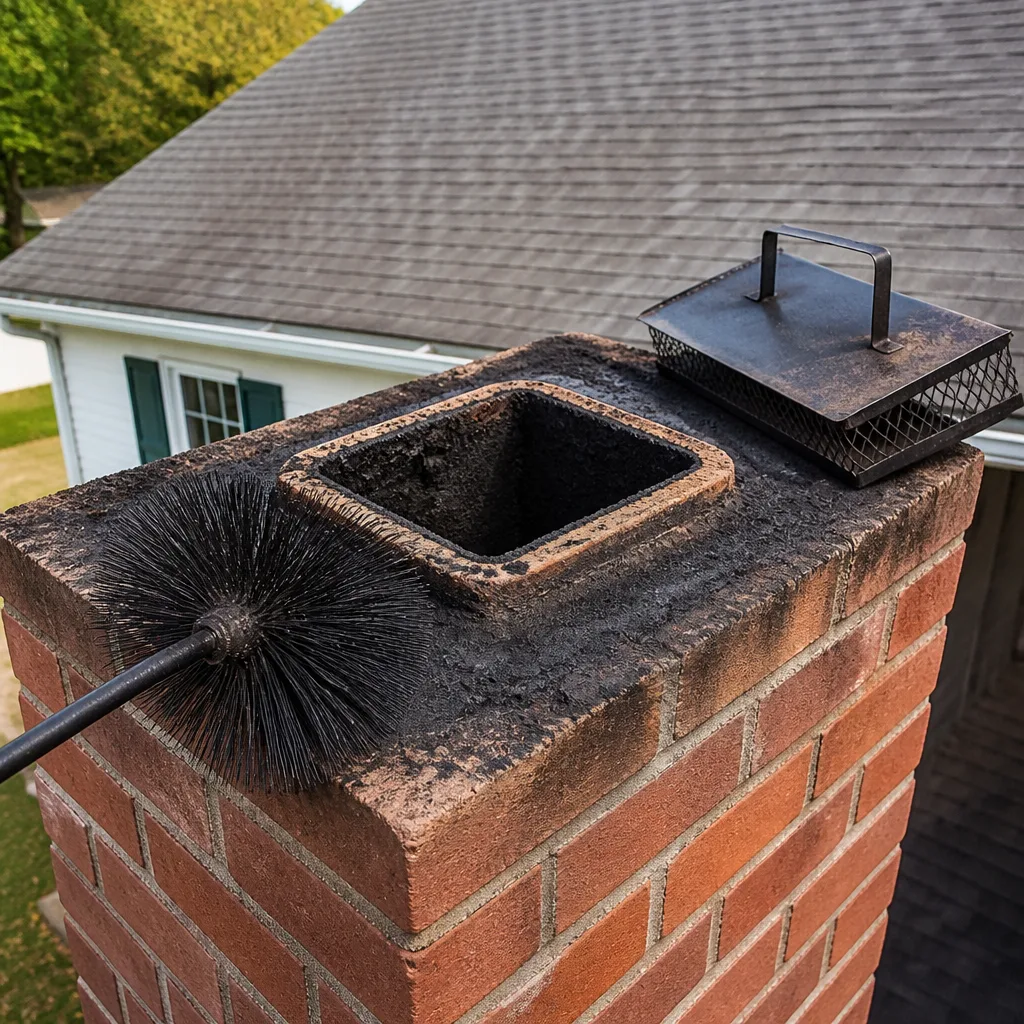 Sweep & inspection
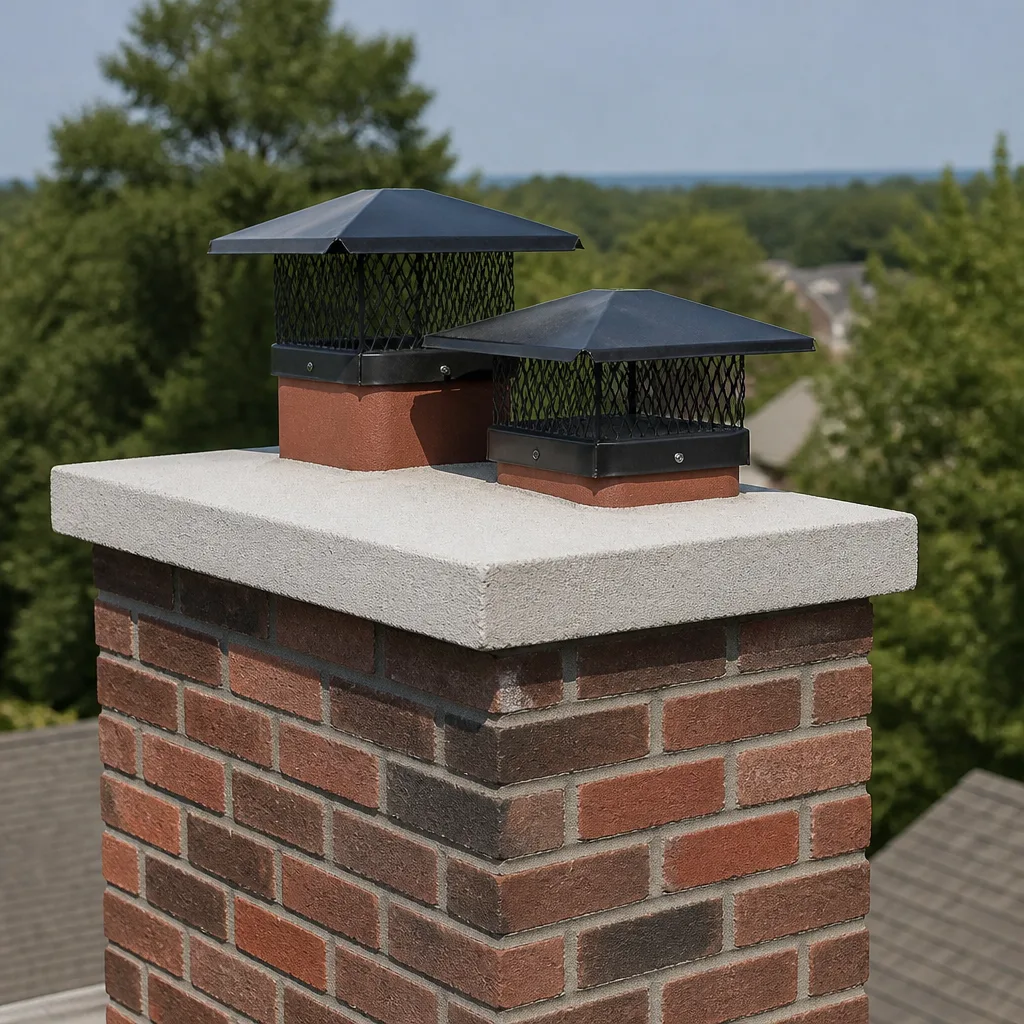 Caps & crowns
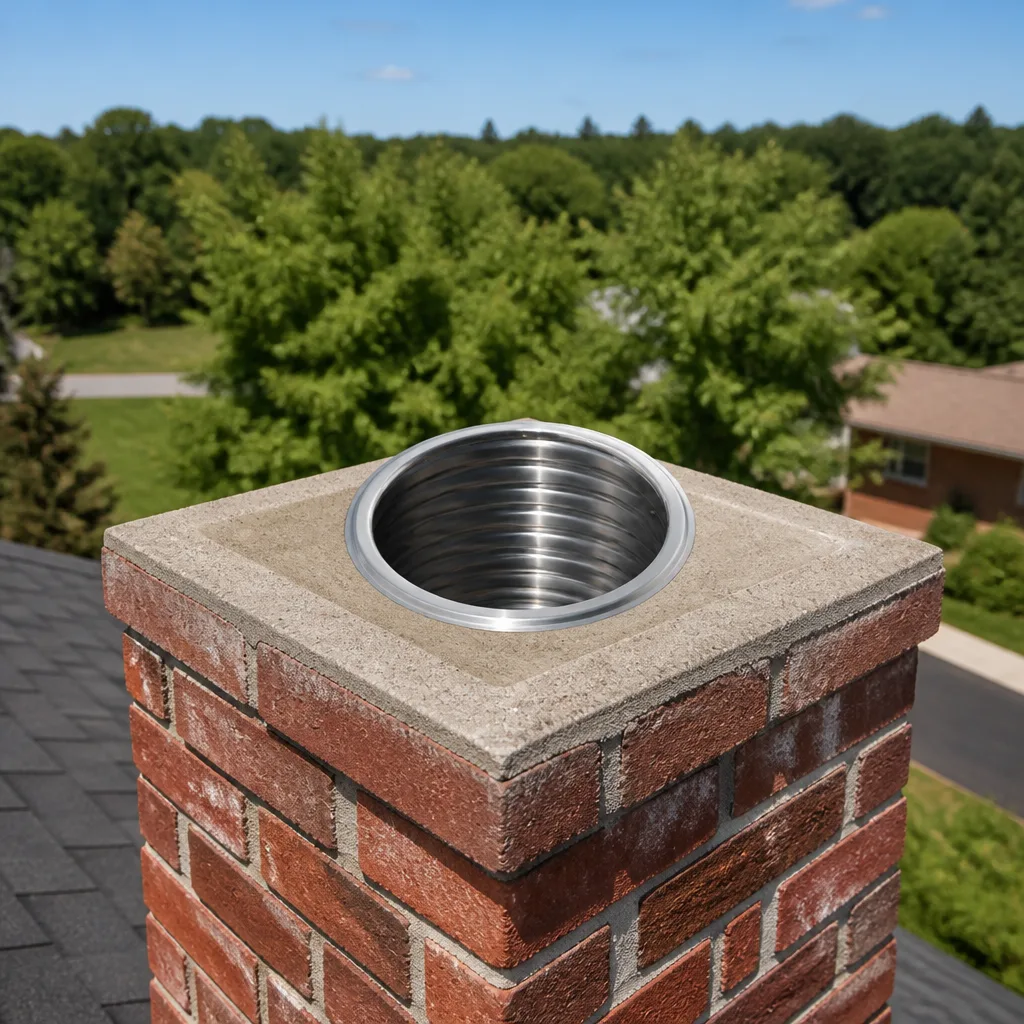 Flue relining
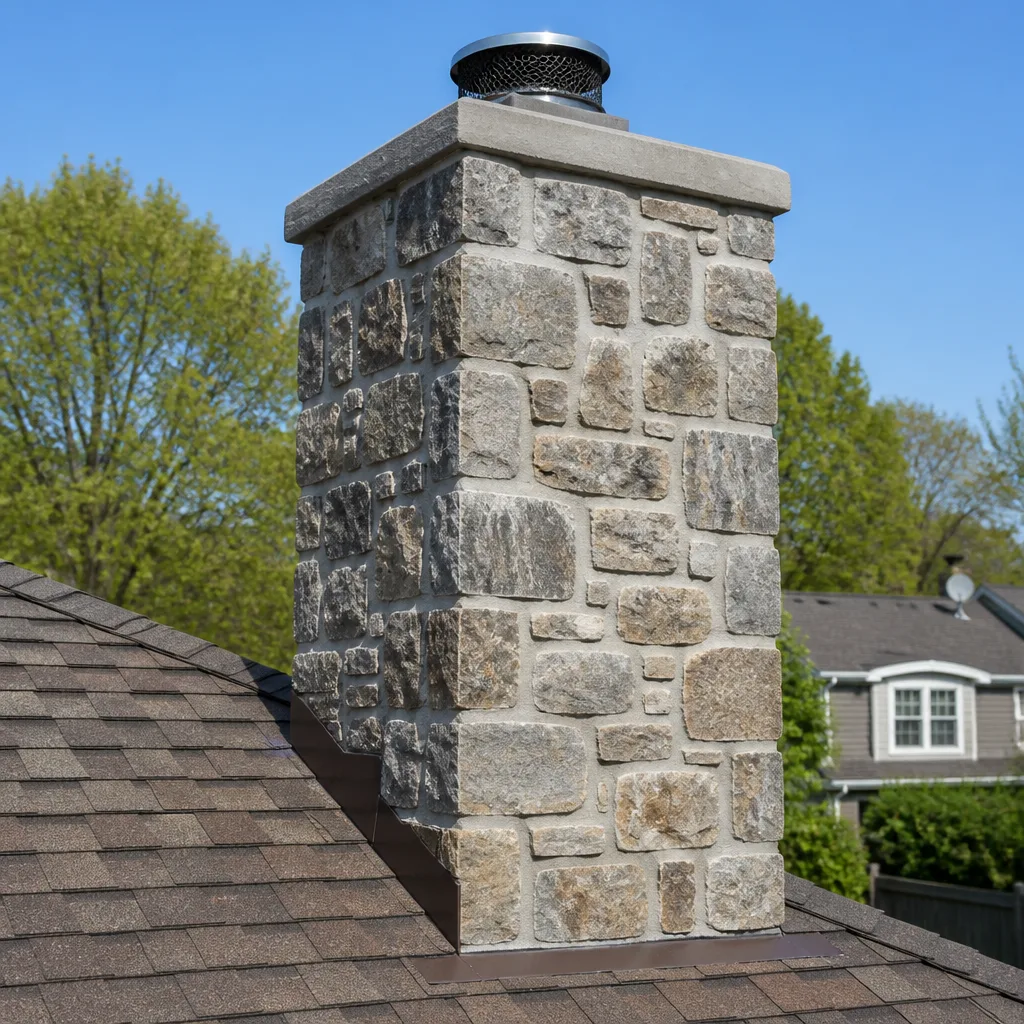 Masonry repair
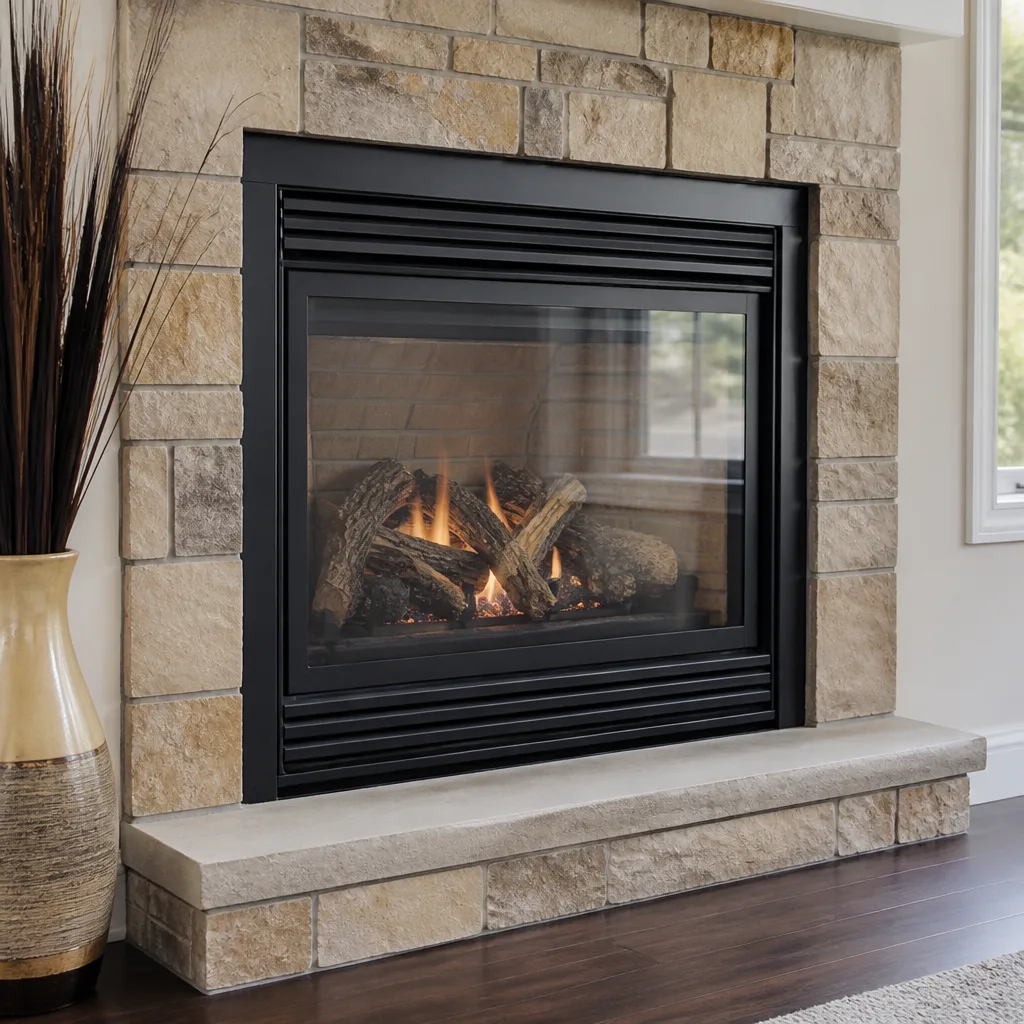 Gas fireplace service
Level 1 sweep and inspection to the NFPA 211 annual standard - flue, crown, cap, and flashing checked and photographed
Chimney sweep logs do not sweep chimneys. They loosen some creosote - which then falls where a brush and vacuum still have to collect it.
Chimney Cleaning Cost Breakdown: The Riverside Homeowner’s Reference for 2026
The $79 chimney cleaning special you’ll see advertised across Riverside covers exactly one thing: basic sweeping of an accessible, uncomplicated flue. Every other service, including the inspection that tells you whether the cleaning was enough, is an add-on. That’s not dishonest advertising. It’s just incomplete. And in a market where chimney cleaning prices vary by nearly 300% between contractors, the difference isn’t quality. It’s what’s included, what’s hidden, and whether the estimate is written before or after the technician is already on your roof. This guide itemizes every legitimate cost component so you can evaluate any quote line by line, whether you’re in Wood Streets, Canyon Crest, or Mission Grove, and our Chimney Sweep Maintenance Checklist for Riverside Homeowners gives you a printable version to bring to every estimate.
Quick Answer
A standard chimney sweep in Riverside runs between $180 and $340 in 2026. A Level 1 inspection typically adds $75 to $150, while a Level 2 video inspection runs $250 to $500. The total for a sweep plus full inspection lands between $255 and $840 depending on flue height, creosote buildup, liner material, and roof access. That’s the honest range. Anyone quoting below $150 for a complete sweep-and-inspection package is either losing money, planning to upsell you mid-job, or both.
Styles & brands we work with
Table of Contents
- The Line-Item Breakdown: What Every Riverside Chimney Service Actually Costs in 2026
- What Drives Price Variation: Flue Height, Creosote Stage, Access, and Liner Material
- The True Cost of the Low-Ball Estimate: What’s Excluded and How Upsells Work
- What a Written Estimate Must Itemize (And What Vague Line Items Should Prompt You to Ask)
- How Kindling’s Written Care Promise Locks in Price, Clean-Up, and Craftsmanship
- Riverside-Specific Factors: Climate, Creosote, and Seasonal Demand
- DIY vs. Professional: Where the Line Is for Chimney Work
The Line-Item Breakdown: What Every Riverside Chimney Service Actually Costs in 2026
Here’s what a Riverside homeowner should expect to see on an honest chimney invoice. These are the components that make up virtually every quote, and each has its own realistic price range for our market. We’ve kept these ranges grounded in what we’ve seen across hundreds of Riverside homes this year.
Standard Chimney Sweep: $180 – $340
This covers the actual sweeping of the flue with professional-grade rods and brushes, removal of creosote and soot from the smoke chamber and firebox, and basic cleanup of the work area. In Riverside, where many homes are two-story with moderate roof pitches, the labor is straightforward but the access is not always easy. A single-story ranch in Arlington will trend toward the low end. A two-story Wood Streets home with a steep pitch and a tile roof will land at the top.
Level 1 Chimney Inspection: $75 – $150
A Level 1 inspection is the visual baseline. The technician checks the readily accessible portions of the chimney interior and exterior, verifies the flue is free of obstruction and combustible deposits, and confirms the appliance is properly connected. It’s typically folded into the cost of a sweep or priced on its own. If you’re only getting a sweep without an inspection, you’re paying for the labor but not the answer to whether the labor did its job-see our guide to Chimney Cleaning Warning Signs: A Riverside Homeowner’s Reference Guide for what that answer should include.
Level 2 Video Inspection: $250 – $500
A Level 2 inspection adds closed-circuit video scanning of the flue interior. This is what tells you whether the liner has cracks, gaps, or spalling, and whether the creosote you can’t see from the top or bottom has reached a dangerous stage. This matters most in Riverside after a chimney fire, a real estate transaction, a significant seismic event, or any change to the heating appliance. The video record is what lets you see the evidence yourself rather than taking someone’s word for it.
Chimney Cap Replacement: $125 – $350 including the cap
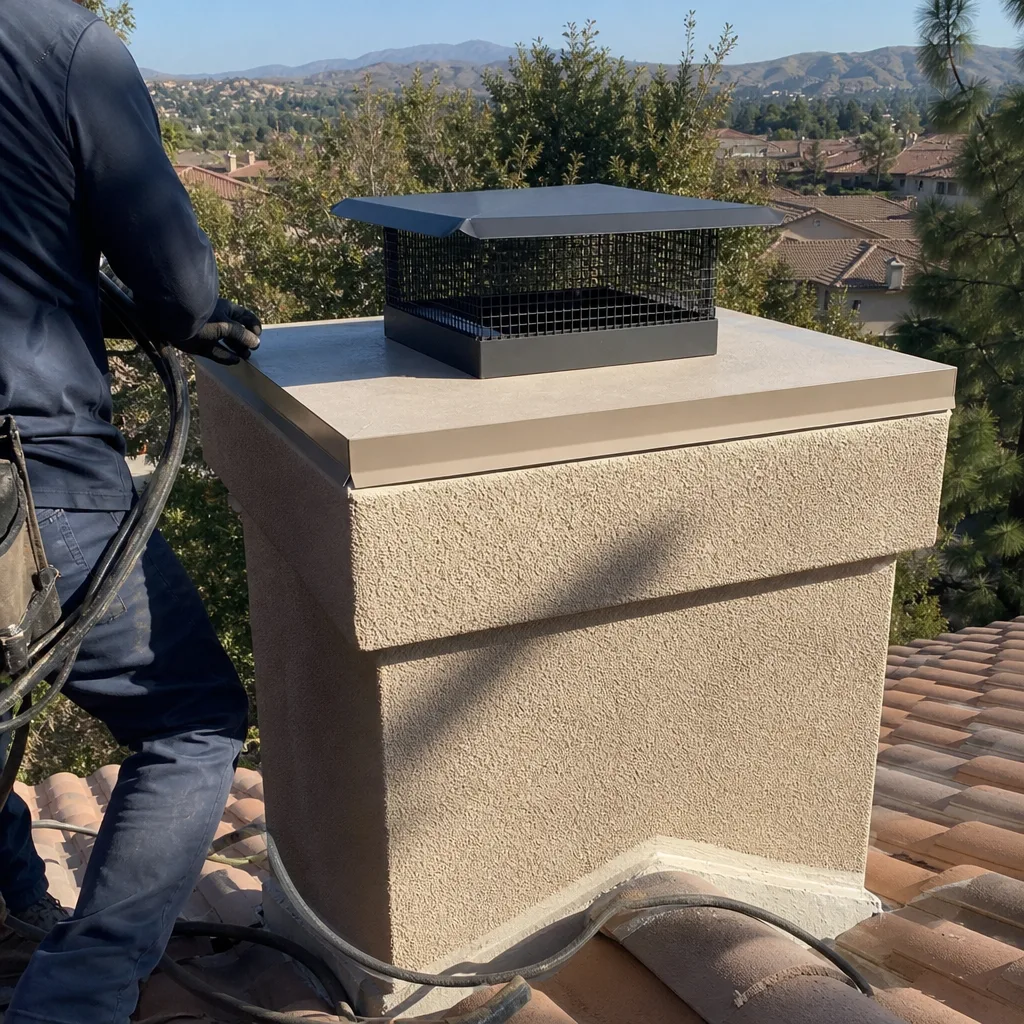
A standard stainless steel cap with a screen, sized for a typical Riverside flue, runs $75 to $200 for the part. Installation adds $50 to $150 depending on roof access and whether the crown needs any patching. A cap is the single cheapest way to keep rain, birds, and embers out of the flue. Most Riverside homes we visit either have a rusted cap or none at all.
Firebox Repair or Repointing: $300 – $900
The firebox is the masonry box directly behind the fireplace opening. Over years of heat cycling, mortar joints crack and bricks spall, especially in Riverside’s dry climate where the air pulls moisture from masonry. Minor repointing runs $300 to $600. A full firebox rebuild with new firebrick runs $600 to $900. This is one of the most commonly deferred repairs in Riverside because the damage is ugly but not yet dangerous, and homeowners reasonably want to know if it can wait.
Chimney Crown Repair: $200 – $600
The crown is the concrete cap at the top of the chimney that sheds water. Cracks in the crown let water into the masonry, and over a few winters that freeze-thaw cycle will spall bricks and widen cracks. A simple crack seal runs $200 to $350. A crown rebuild, where the old crown is chipped out and re-poured, runs $400 to $600. Riverside’s occasional frost mornings make this more than a cosmetic issue.
| Service | Typical 2026 Riverside Range |
|---|---|
| Standard chimney sweep | $180 – $340 |
| Level 1 inspection | $75 – $150 (or folded into sweep) |
| Level 2 video inspection | $250 – $500 |
| Chimney cap replacement | $125 – $350 installed |
| Firebox repair / repointing | $300 – $900 |
| Crown repair | $200 – $600 |
What Drives Price Variation: Flue Height, Creosote Stage, Access, and Liner Material
Two Riverside homes on the same street can receive quotes that differ by several hundred dollars for identical work, and neither quote is wrong. The difference is in four measurable variables that a good technician will name on the estimate. Here’s how each one moves the number.
Flue Height
A single-story flue is 15 to 20 feet. A two-story flue with a tall roofline can run 30 to 35 feet. Longer flues require more rod sections, more time on the roof, and more physical effort. This is often the single largest price driver on a sweep quote. If a contractor gives you a quote without asking the height of your home or the number of stories, the number is likely padded or padded and then discounted.
Creosote Stage
Creosote exists in three stages. Stage 1 is a flaky, brushable dust. Stage 2 is a hardened, tar-like glaze. Stage 3 is a dense, shiny, often dripping residue that resembles baked enamel. Stage 3 creosote cannot be brushed away. It requires chemical treatment, rotary cleaning heads, or both, which adds $75 to $225 to the sweep. Riverside’s dry oak and eucalyptus fires, especially in older open-hearth fireplaces, produce their share of Stage 3. A contractor who quotes $79 over the phone without seeing your flue is either new or planning to charge for Stage 3 as a mid-job discovery.
Access Difficulty
Roof pitch, tile material, and chimney position all matter. A chimney at the ridge line of a steep Spanish-tile roof in Alessandro Heights takes thoughtful ladder work and roof protection. A chimney near the eave on a gentle composition roof is easier. Access difficulty is why reputable Riverside companies ask for the home’s approximate height and construction before quoting. It’s not small talk.
Liner Material
Clay tile liners are standard in older Riverside homes and brush easily. Stainless steel liners also respond well to a sweep but require different attachments. Cast-in-place liners, which are rare but present in some mid-century Riverside builds, need different treatment entirely. The liner material also determines what kind of inspection is appropriate. Video is far more important for a clay liner showing its age than for a newer stainless one.
The True Cost of the Low-Ball Estimate: What’s Excluded and How Upsells Work
The city of Riverside has enough chimney service competition that low-ball pricing is a predictable part of the landscape. The way those economics work is simple: the advertised price cannot cover a real technician, a real truck, insurance, and a complete service. So the model relies on the technician finding something once they’re on site. And they will find something.
The Most Common Exclusions
- The inspection itself. A $79 sweep often excludes the Level 1 inspection, which is the only part that tells you whether the sweep was sufficient. It’s sold separately for $100 or more.
- Creosote beyond Stage 1. The first swipe of the brush reveals Stage 2 or 3 glaze, and the technician explains that “full service” requires a chemical treatment or rotary process. This is the most common upsell in the industry, and it’s often legitimate. The problem is that it wasn’t in the number you were quoted.
- The cap. If the cap is missing or rusted, which it frequently is in Riverside’s sun, the sweep alone won’t fix the vulnerability. But cap replacement is rarely in the advertised price.
- Clean-up beyond the firebox. Some operators consider the hearth area clean if the firebox is swept. Floors adjacent to the hearth, mantel dust, and the walkway from the door to the fireplace are not included. At Kindling, our technicians lay drop cloths on arrival and photograph the clean-up before leaving. It’s in the Kindling Chimney Riverside home care promise, not an add-on.
- The flue or liner condition report. A verbal “looks okay” costs nothing to deliver and is worth nothing. A written condition report with video costs time and equipment, and it’s frequently omitted from the low-ball number.
How the Mid-Job Conversation Usually Goes
The technician sweeps, shows you a handful of black debris, and explains that the chimney really should have a cap, that the crown has some cracking, and that without a video inspection you won’t know if the liner is safe. Each of those is a line item. Individually, they’re reasonable. Together, they can triple the bill. The issue isn’t that the technician is dishonest. It’s that the structure of the quote was designed to get a body on the roof first and build the real number second. The alternative is a written price before work starts, every time. That’s what a Chimney Sweep in Riverside should do as a matter of course, not as a courtesy.
What a Written Estimate Must Itemize (And What Vague Line Items Should Prompt You to Ask)
A fair comparison between Riverside chimney quotes requires that each estimate name the same things. Here’s the more guides & resources we recommend starting with. If a line item says “full service” or “complete cleaning” and nothing else, ask what exactly that includes before you schedule.
- The sweep itself, including the type of brush or rotary system, and whether Stage 2 or Stage 3 creosote treatment is included or billed separately.
- The inspection level. Level 1 or Level 2, and whether video is included. If the estimate doesn’t specify, assume it’s not included.
- The cap. Is a cap inspection included? Is replacement quoted if needed? At what price range?
- Clean-up scope. Does the price include drop cloths, HEPA vacuuming of the firebox and hearth, and removal of debris from the property? Kindling’s Cedarwell Care Promise puts shoe covers and drop cloths down on arrival, and a photo of the clean-up is taken before the crew leaves. That’s part of the written price, not a question you have to remember to ask.
- The liner condition report. Will you receive documentation of what the video inspection found, or just a verbal summary? A written report is what protects you later when you’re comparing repair quotes or selling the home.
- The total. Not the base price. The total, with tax if applicable, in writing.
When a Riverside contractor gives you a verbal quote and won’t put it in writing before the visit, that’s the whole answer. Walk away. The Chimney Inspection in Riverside guide we’ve written covers what a real inspection looks like, but the short version is this: the inspection is where the honesty lives.
How Kindling’s Written Care Promise Locks in Price, Clean-Up, and Craftsmanship
We built Kindling Chimney Riverside around a simple structural idea: the final invoice should match the written estimate unless the scope genuinely changes and you approve it in writing. That means the price for the sweep, the inspection, and any repair recommended is itemized before the work begins. Not after. Not discovered mid-job. Not “well, we found some things up there.”
Every visit includes the Cedarwell Care Promise, which names the things families with kids and pets tell us they actually worry about. Shoe covers and drop cloths go down on arrival, before any equipment comes through the door. Nothing is moved without asking, which matters in a home with a toddler’s toys and a dog’s bed near the hearth. Pet-safe products are used where there is a choice. And a photograph of the clean-up is taken before the crew leaves, so you can see the condition of your floors without having to trust a summary.
The 365-Day Done Right Promise backs the craftsmanship. If the work isn’t right, we make it right. No fine print. The brands we use reflect the same logic. For liner work, we use DuraFlex and HeatShield products because they’re designed to last through Riverside’s dry heat and occasional wet winters, not just to hold for a season. For cap and component work, we specify Olympia Chimney and Famco parts. The material spec goes in the written estimate too. A chimney repair built to last is one where the parts are named, the price is fixed, and the clean-up is part of the contract.
Danny Cortes and the technicians at Kindling work this way because the alternative, the low-ball quote with the mid-job upsell, is the whole reason Riverside homeowners distrust chimney pricing in the first place. The fix for that distrust isn’t a lower number. It’s a structure where the number means something.
Riverside-Specific Factors: Climate, Creosote, and Seasonal Demand
Riverside’s climate shapes chimney maintenance in ways that a generic national article won’t tell you. We know because we’re in Riverside, not reading about it.
Our summers are long and dry, which pulls moisture out of masonry crowns and mortar joints. Cracks that would take years in a coastal climate appear in a few seasons here. The winter, though mild by national standards, still dips below freezing enough mornings to expand those cracks with frost. The result is that crown repair and firebox repointing are more common in Riverside than in most cities our size. This is not a sales pitch. It’s what the work orders show.
Creosote formation follows fuel type. Riverside fires burn a lot of oak, eucalyptus, and the occasional citrus wood from a removed backyard tree. Oak produces steady, long-burning heat and moderate creosote. Eucalyptus burns hot and produces a heavy, waxy residue that glazes quickly, especially in open-hearth fireplaces. Citrus burns fast and leaves little creosote but lots of flying embers. If you burn eucalyptus regularly, expect a recommendation for more frequent sweeping and possibly Stage 2 chemical treatment. It’s not because the sweep was lazy. It’s the wood.
Seasonal demand runs October through January, peaking right before the holidays. If you want a sweep in November or December, book early. Prices in Riverside are generally flat through the year, which is unusual for home services, but the calendar fills. If you’re selling a home in the Riverside market, a Level 2 video inspection is frequently requested by buyers and their agents, and you’ll want to understand Chimney Cleaning Permits, Codes & Inspections in CA: What You Need to Know before listing. Scheduling it before listing saves the last-minute scramble and gives you the documentation before negotiations begin.
DIY vs. Professional: Where the Line Is for Chimney Work
Some home maintenance tasks genuinely reward the do-it-yourselfer. Chimney sweeping is not one of them. The reasons are specific, not generic caution.
First, roof access. Riverside roofs are predominantly tile, and tile is unforgiving. A wrong step cracks a tile, and a cracked tile on a two-story home is a $200 to $400 repair, plus the labor of finding a match. The risk alone often exceeds the cost of a professional sweep.
Second, creosote is not fireplace soot. Stage 2 and Stage 3 creosote require specific rotary attachments and sometimes chemical treatments. A homeowner brushing from the top with a hardware-store rod set will remove Stage 1 and leave the rest, and the chimney will look clean while not being clean. The false confidence is the dangerous part.
Third, the inspection. A sweep without an inspection is half a service. The inspection is what catches the cracked flue liner, the missing cap, the deteriorated crown, the obstructed flue from a bird nest. You cannot see those from the ground, and you cannot assess them from the top without a video camera and the training to read what it shows.
This is not gatekeeping. It’s a division of labor. A homeowner can absolutely inspect the firebox visually and keep the area around the fireplace clean. But the flue interior, the crown, and the cap are trained work. And the safety stakes are real. A compromised flue liner or an obstructed flue carries the risk of chimney fire and carbon monoxide intrusion. That’s not a scare tactic. It’s the reason the service exists. If you’re not sure what you’re looking at, skip the ladder and call. Kindling Chimney Riverside offers free estimates in Riverside. Call (831) 218-8547 and a live person will answer.
Common Mistakes to Avoid
- Booking on price alone. The $79 special is a real service, but it’s not a complete service. You’ll pay for the inspection, the cap, the creosote stage, and the clean-up as add-ons. Know the total before you book.
- Skipping the inspection. A sweep without an inspection tells you the flue is cleaner, not that it’s safe. In Riverside’s older housing stock, many flue liners are original clay from the 1950s or 60s. You want eyes on it.
- Burning eucalyptus as primary fuel. It’s cheap and abundant here, but it produces heavy creosote. If eucalyptus is your go-to firewood, plan for more frequent sweeps.
- Ignoring a cracked crown because it’s “just cosmetic.” It’s a water entry point, and water in masonry is never cosmetic. In Riverside’s freeze-thaw cycle, a small crack becomes a spalled brick within two winters.
- Accepting a verbal quote. A verbal number is not a quote. It’s an opening position. Get it itemized in writing before the truck rolls.
- Deferring firebox repair indefinitely. Cracked firebox mortar and spalled brick can usually wait a season, but not forever. Once the firebox structure is compromised, the repair cost jumps and the safety margin shrinks.
- Not asking about clean-up. Chimney work is inherently dusty. If the price seems good and doesn’t mention drop cloths, HEPA vacuuming, or floor protection, that’s the reason. At Kindling, the Fireplace Repair in Riverside clean-up standard is not optional. It’s in the written promise.
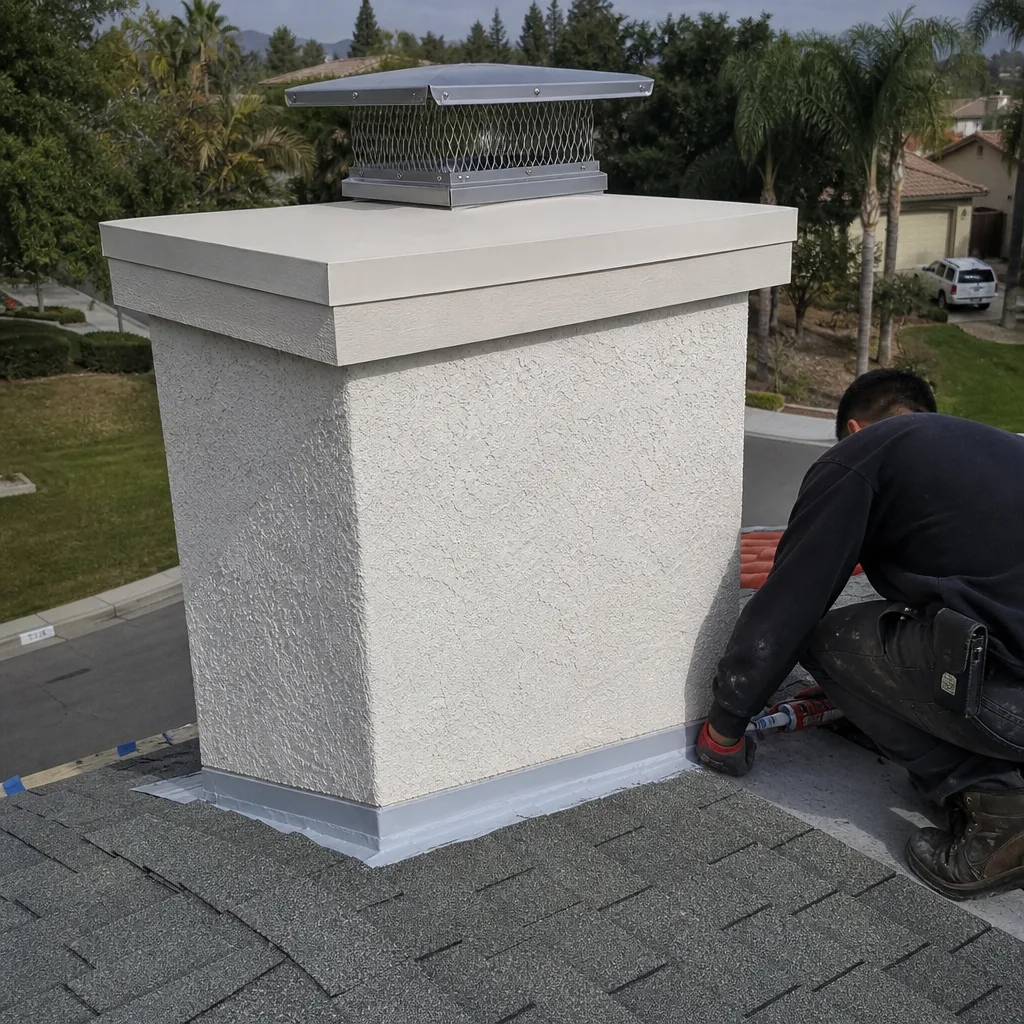
See the difference
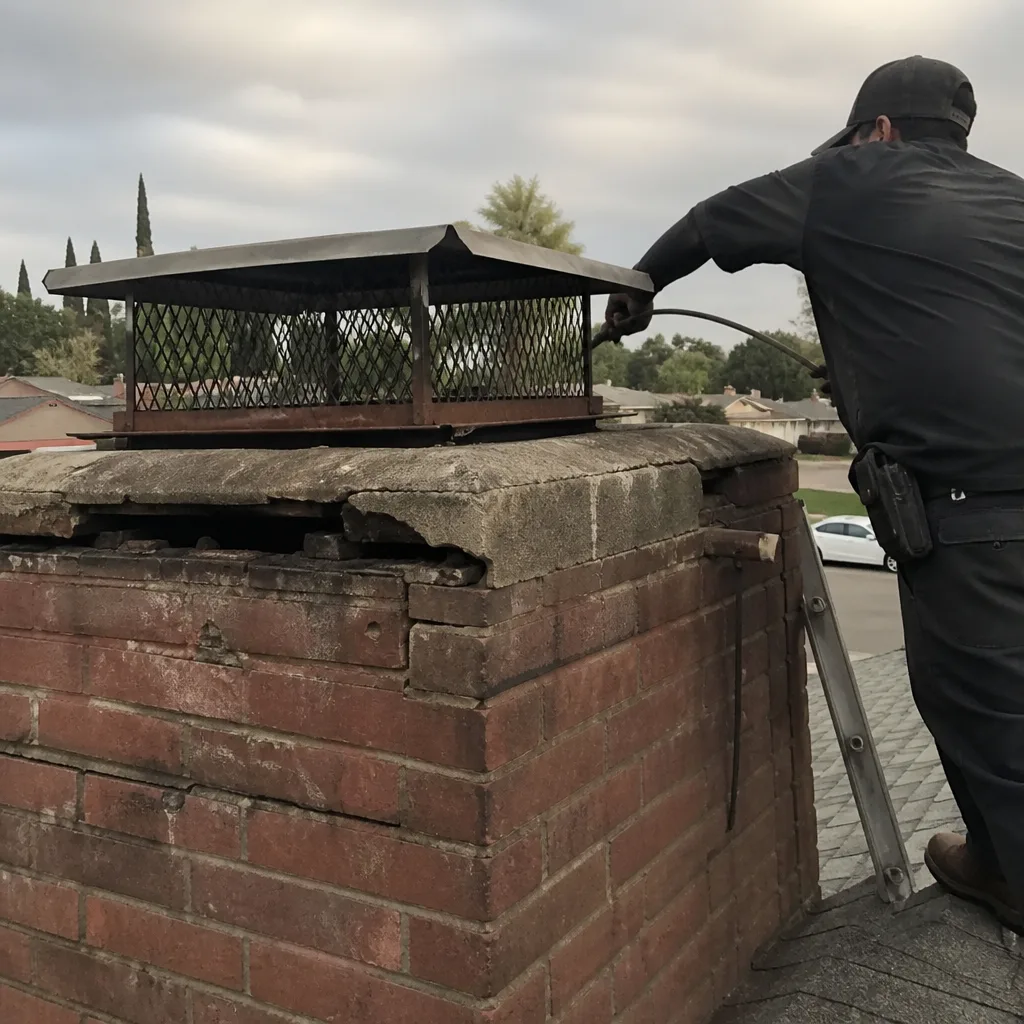 Before
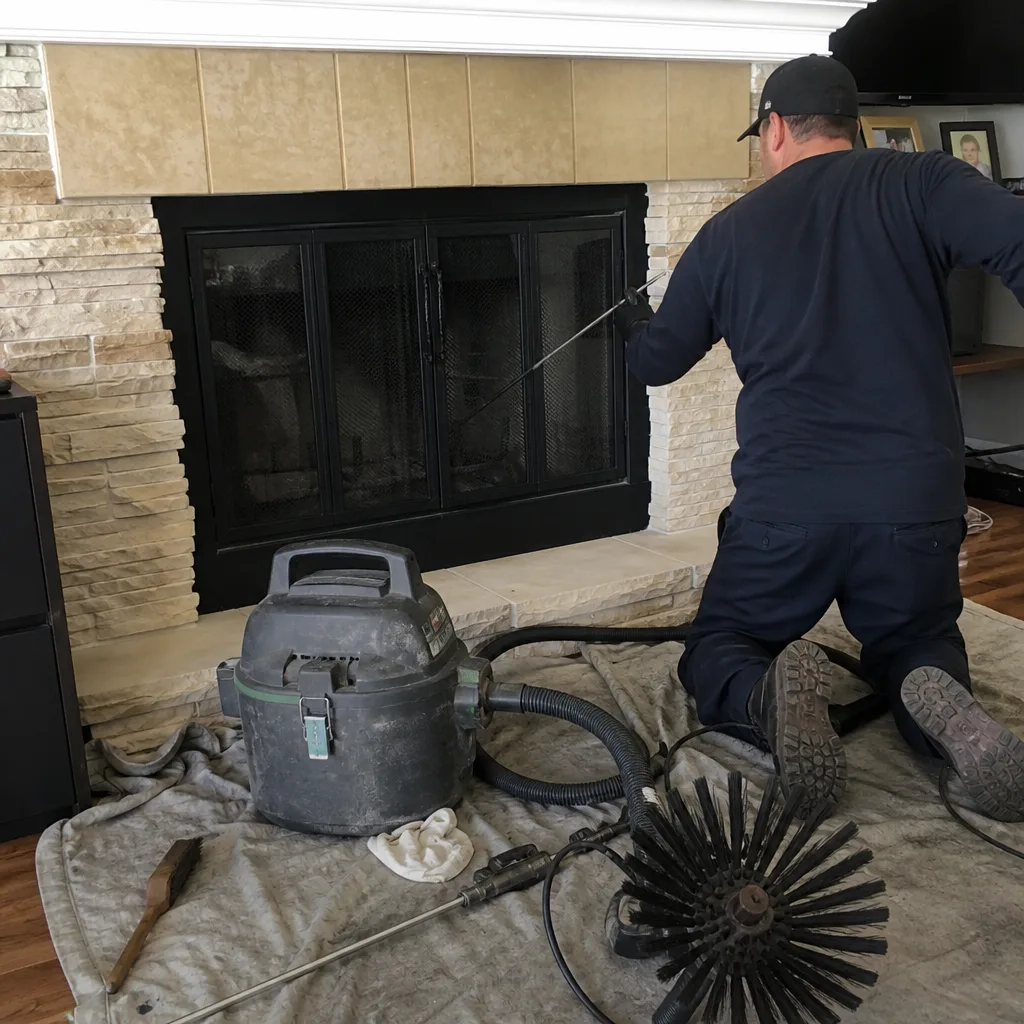 After
After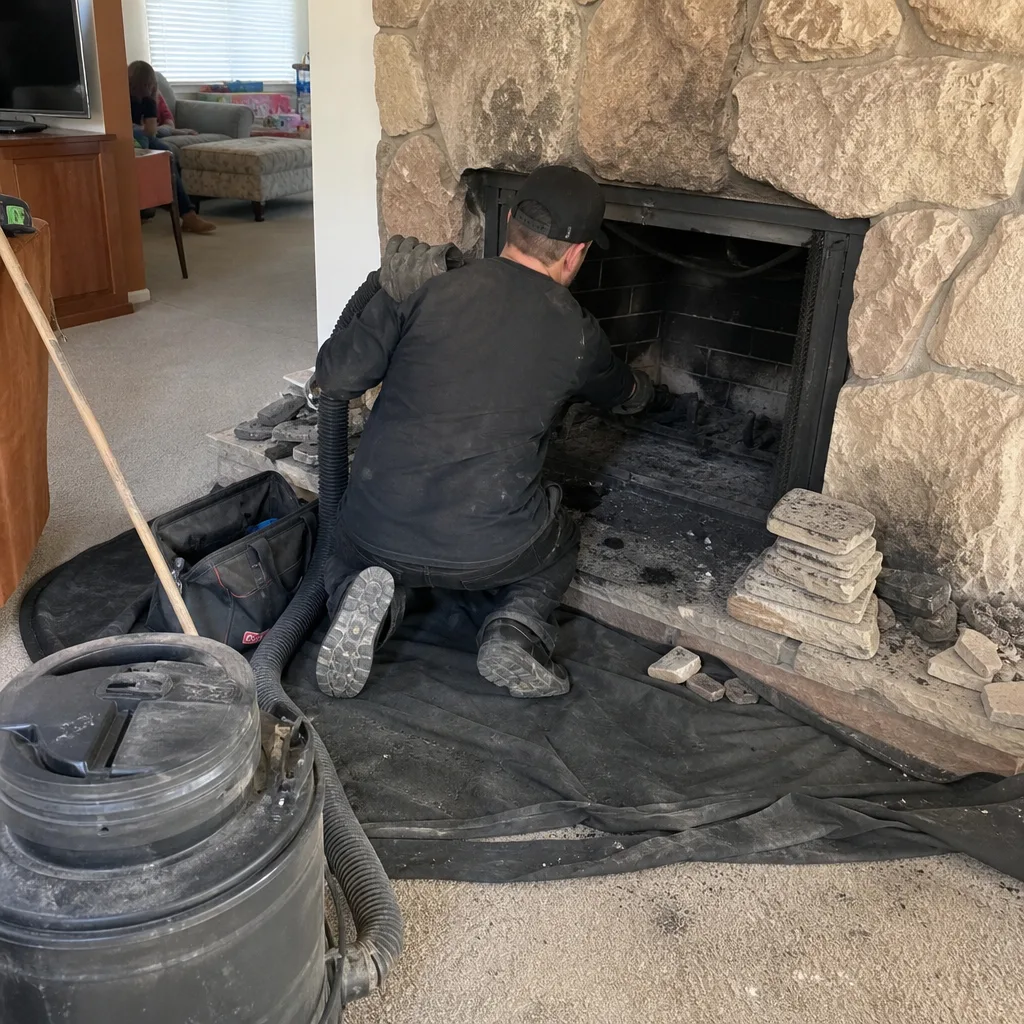 Before
 After
After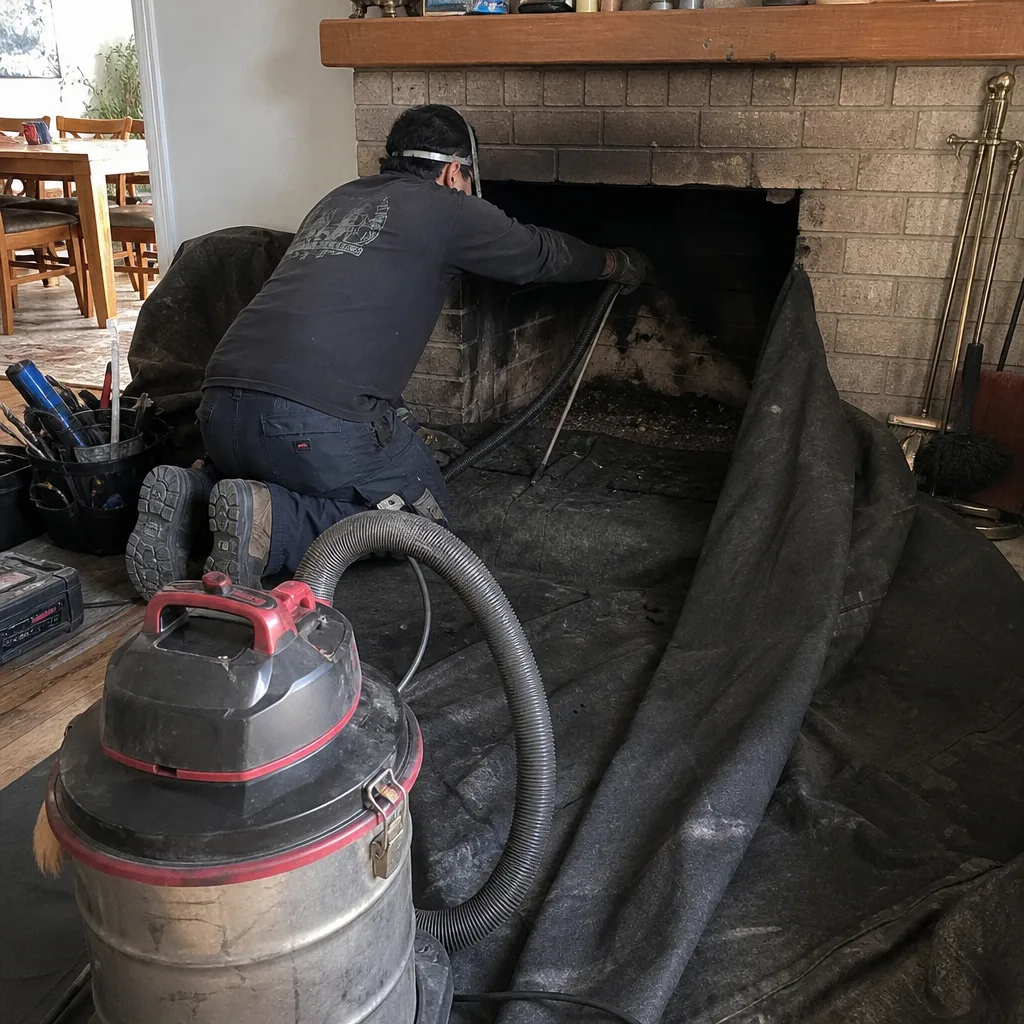 Before
 After
AfterWhen to Call a Professional
Call when you notice a smoky fireplace that doesn’t draw properly, a strong campfire smell even when the fireplace is cold, visible creosote buildup that looks like shiny black tar on the firebox walls, or water stains on the ceiling near the chimney. Call when you’ve just bought a Riverside home and don’t know the chimney’s history. Call when you’re selling and the inspection report flags the chimney. And call if it’s simply been more than a year since the last sweep. Any of these is a legitimate reason, and none of them requires you to diagnose the problem first. Kindling Chimney Riverside offers free estimates in Riverside. Call (831) 218-8547.
Frequently Asked Questions
A standard chimney sweep in Riverside runs between $180 and $340, with the final number depending on flue height, creosote stage, and roof access. The average two-story Riverside home with a clay liner and Stage 1 creosote will typically land around $220 to $275. Call (831) 218-8547 for an exact written quote. Estimates are free.
Not necessarily. Most Riverside homes with original clay liners have some cracking, but not all cracks require a new liner. The deciding factors are crack size, location, and whether the liner still separates combustion gases from the masonry. A Level 2 video inspection gives you the answer with evidence you can see. If a contractor recommends a liner replacement, ask to see the video. If they can’t show it to you, get a second opinion.
Annually, at minimum, if you use your fireplace regularly during the Riverside winter season. Homes that burn eucalyptus or damp wood may need sweeping every six months. Homes that use the fireplace only occasionally can sometimes go two years, but the inspection should still happen annually. The National Fire Protection Association standard is annual inspection, with sweeping based on measurable creosote accumulation.
Creosote accumulates on the flue walls in layers. At Stage 2 and Stage 3, it becomes a fuel source. A high enough flue temperature ignites it, and a chimney fire burns within the flue, cracking the liner and sometimes spreading to the structure. Separately, an obstructed flue, from creosote or a bird nest, can divert carbon monoxide back into the living space. Those are the two failure modes. Neither announces itself in advance. That’s the case for the annual sweep: it’s the only time anyone actually looks inside the flue.
It’s a real service, but it’s a base service. For $79 you get a basic sweep of an accessible flue with Stage 1 creosote. The inspection, the cap, any Stage 2 or 3 treatment, and clean-up beyond the firebox are add-ons. If you go in understanding that the final invoice will be higher, it can be a fine entry point. If you want the total before the work starts, that’s the structure Kindling uses. The written price is delivered before any work begins, every time.
Chimney repairs related to normal wear are generally not covered by homeowners insurance. Chimney damage from a covered event, such as a chimney fire, earthquake, or a fallen tree, is another matter and will depend on your policy and deductible. For wear-related repairs like crown cracks and firebox repointing, the cost is usually out of pocket, which is why the written estimate matters. You want the number before the work, not after.
The Bottom Line
Chimney cleaning in Riverside costs between $180 and $340 for a standard sweep, $75 to $500 for the inspection that should accompany it, and $125 to $900 for the common repairs that follow, depending on what the inspection finds. The price gap between contractors is not quality. It’s inclusion. A written estimate that names the sweep, the inspection level, the cap, the clean-up standard, and the material spec puts every quote on the same footing. Anything short of that is an opening bid, not a price. Kindling Chimney Riverside works to a written care promise on every visit, and the 365-Day Done Right Promise stands behind the work. Homes in Riverside with kids and pets deserve a crew that protects the floors, names the price, and shows the clean-up. That’s the whole idea.
Written by Danny Cortes, Owner at Kindling Chimney Riverside, serving Riverside since 2003.