
Last updated October 15, 2026
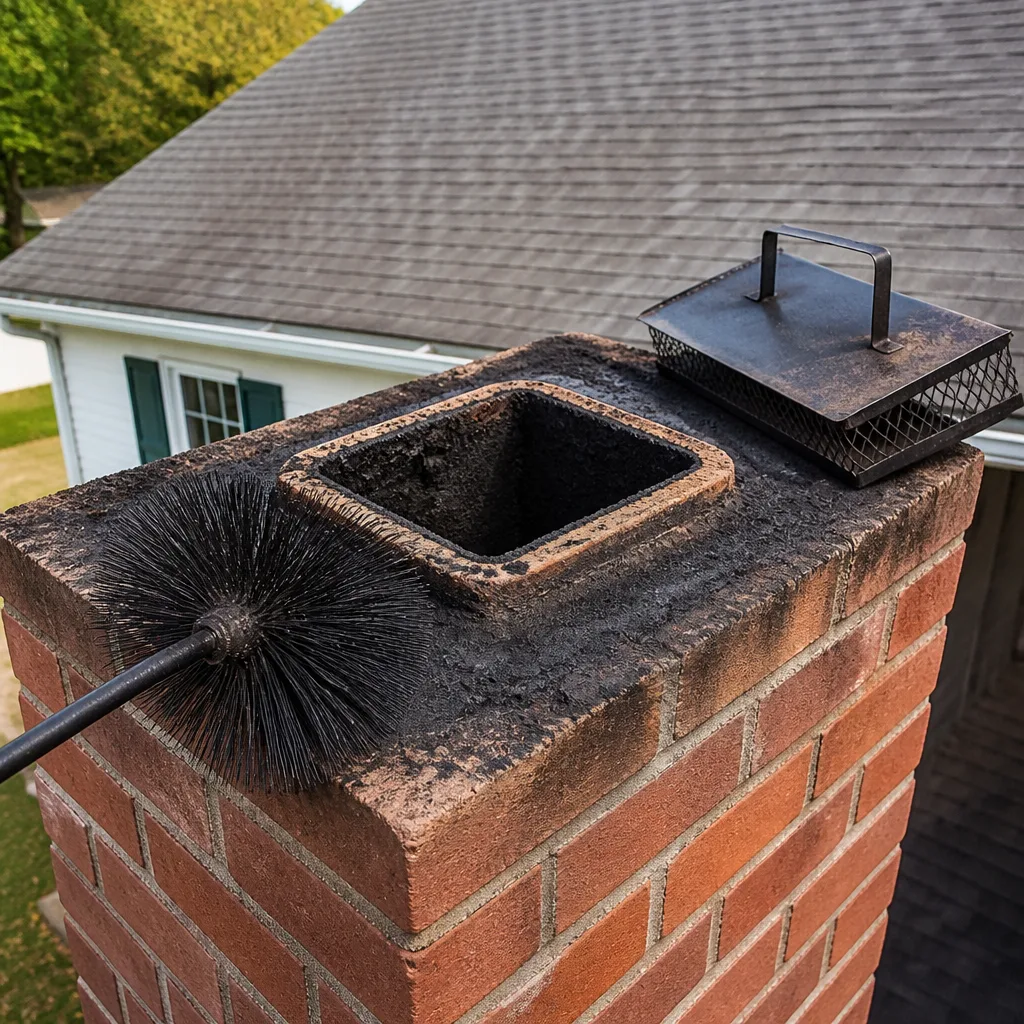 Sweep & inspection
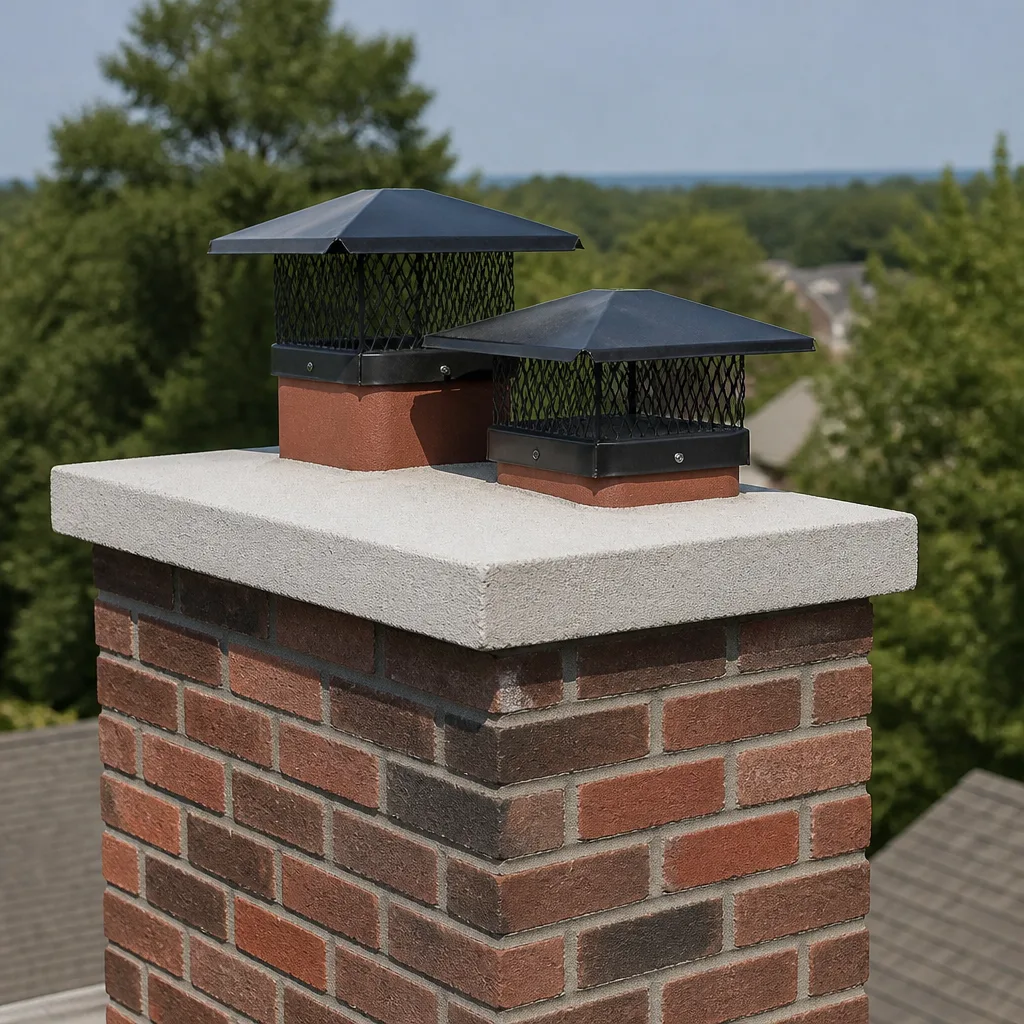 Caps & crowns
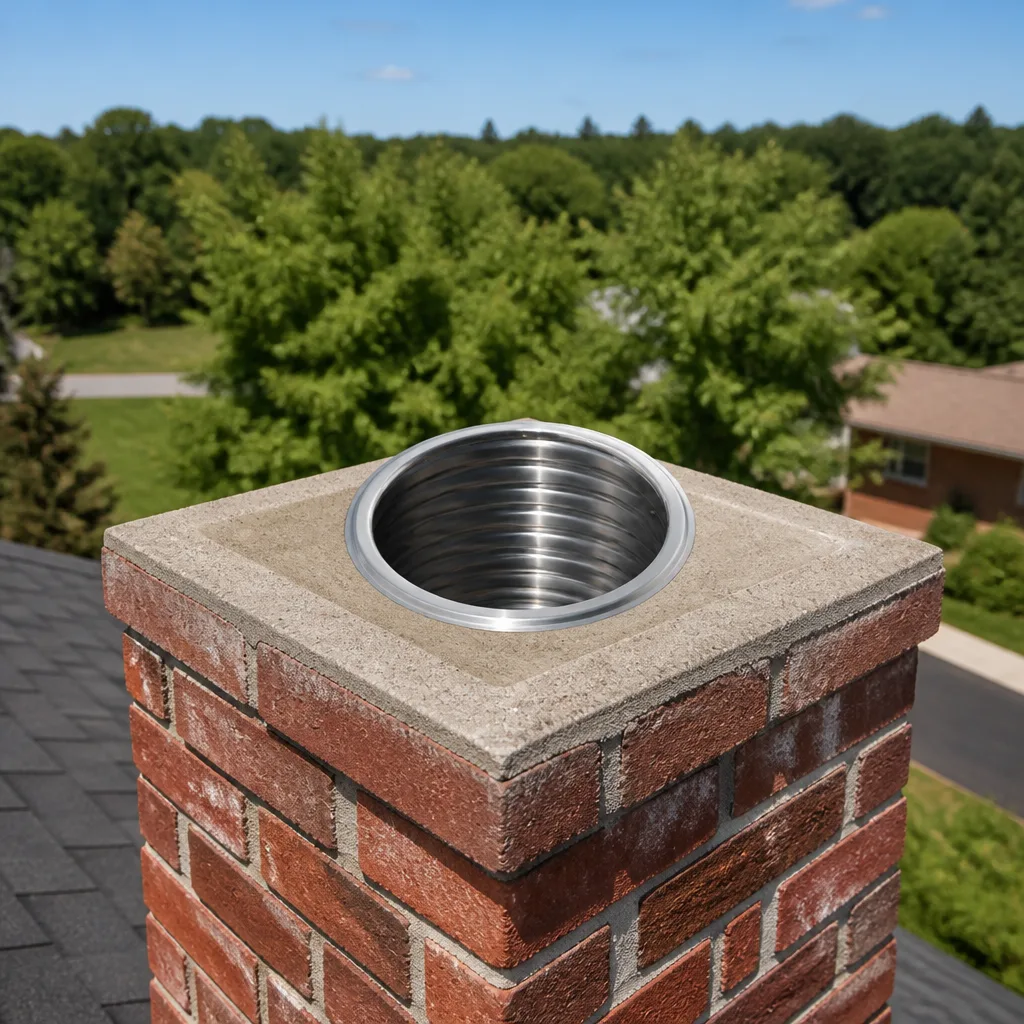 Flue relining
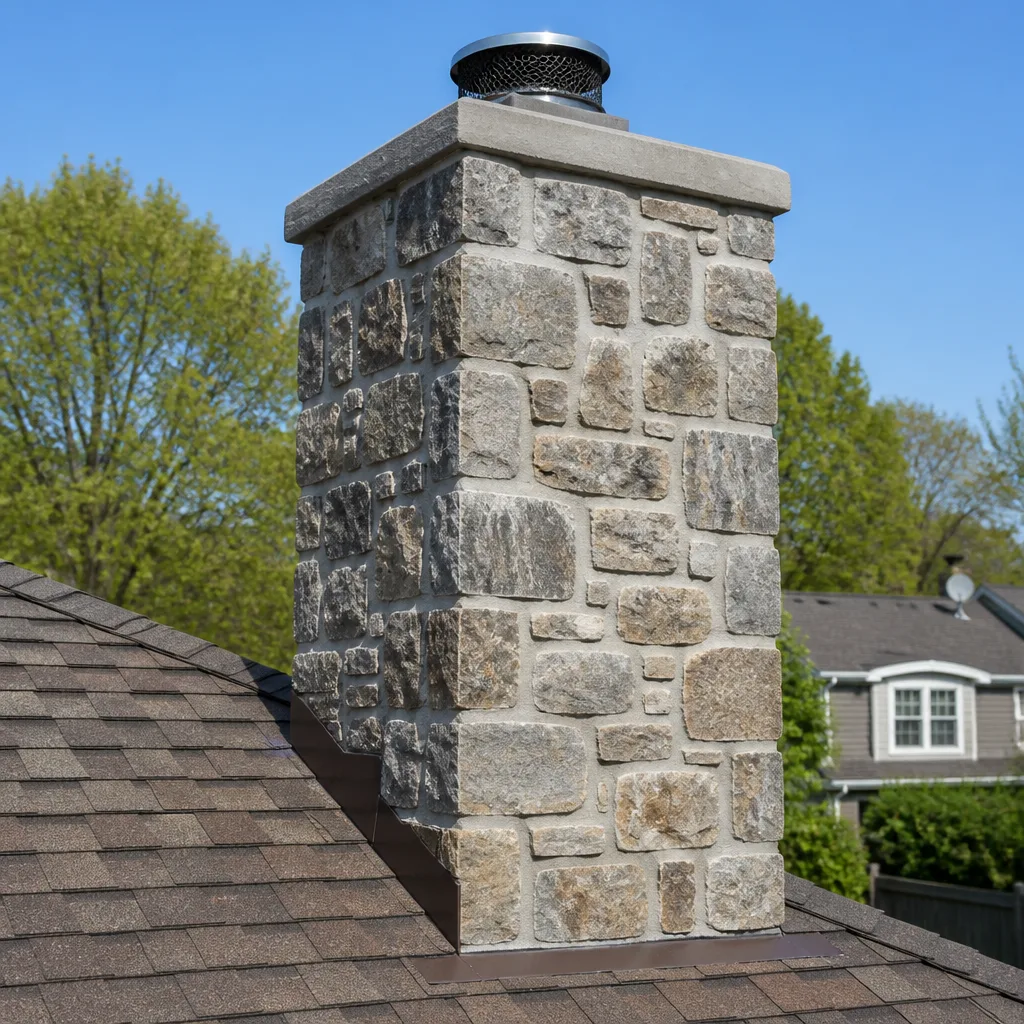 Masonry repair
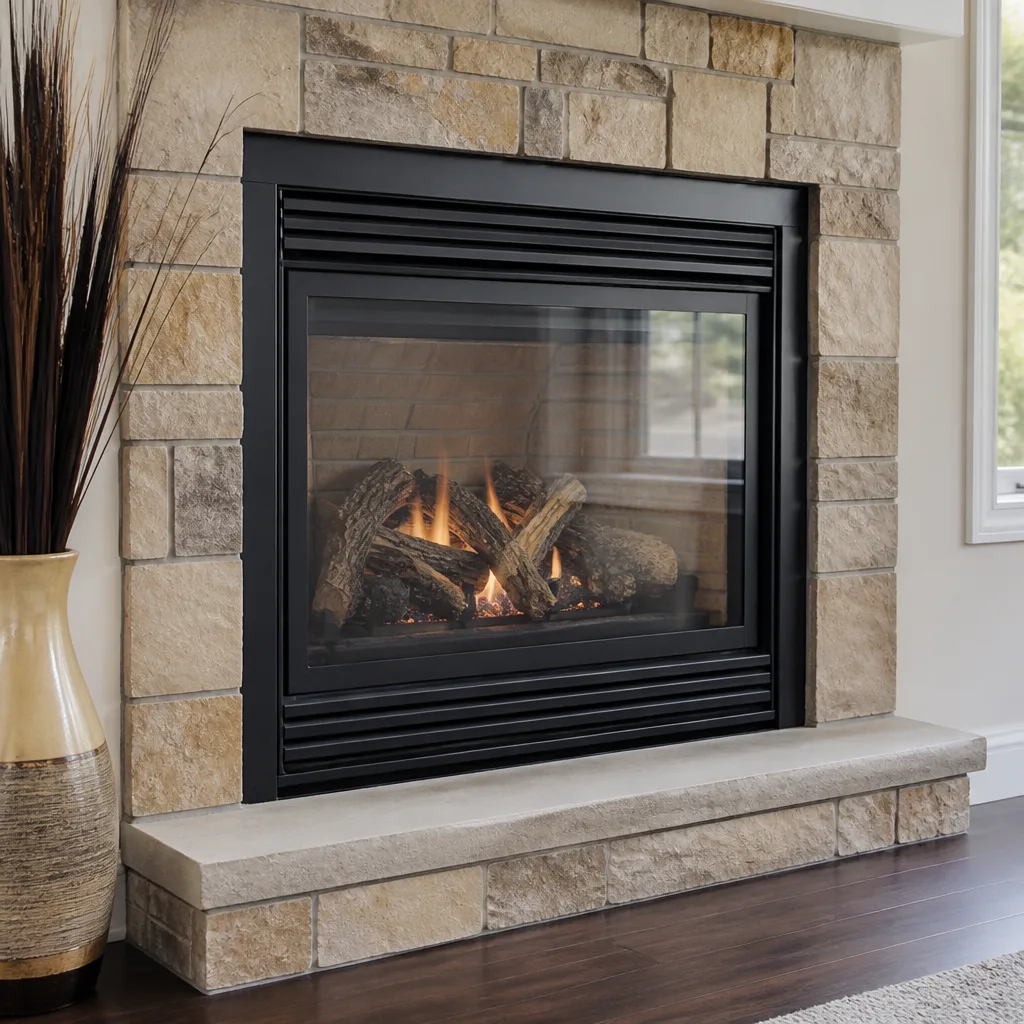 Gas fireplace service
Level 1 sweep and inspection to the NFPA 211 annual standard - flue, crown, cap, and flashing checked and photographed
Chimney sweep logs do not sweep chimneys. They loosen some creosote - which then falls where a brush and vacuum still have to collect it.
Chimney Sweep Maintenance Checklist for Riverside Homeowners
Most chimney checklists read like they were written for a house in Ohio. They tell you to check the damper in fall, sweep once a year, and call it good. But Riverside’s climate doesn’t work that way. We get Santa Ana winds that push ash back down a flue that was clean in September, wildfire smoke that leaves a fine grey film inside the firebox by November, and dry summers that bake mortar joints until hairline cracks appear. This guide is built around what actually happens to chimneys in the Inland Empire, month by month, so your maintenance routine matches your real conditions rather than some national average.
Styles & brands we work with
Quick Answer
A Riverside chimney needs Chimney Sweep services and a Level 1 inspection once per year, ideally in early fall before the Santa Ana wind season kicks in. Between visits, homeowners should do a monthly 60-second visual check of the firebox floor and damper, document changes with phone photos, and clear the chimney crown of debris before wind events in October through December. The one step most Riverside homeowners miss is documenting the firebox after a wildfire smoke event, because the fine ash that settles there tells you whether your damper is actually sealing.
Table of Contents
- The Riverside Month-by-Month Chimney Calendar
- The Five Things You Can Safely Check from Inside the Firebox
- Where Self-Inspection Ends and Professional Inspection Begins
- How to Document Your Chimney’s Condition with Photos
- What a Damper, Smoke Shelf, and Firebox Floor Should Look and Feel Like
- How to Create a Simple Homeowner Maintenance Log
- Santa Ana Winds and Your Chimney: What Actually Happens
- Wildfire Smoke and Chimney Residue: What to Look For
- Common Mistakes to Avoid
- When to Call a Professional
- Frequently Asked Questions
- The Bottom Line
The Riverside Month-by-Month Chimney Calendar
Riverside’s burn season is shorter than people think. Most homeowners light their first fire in mid-November and their last one in early March, with a few cool evenings on either side. That means your chimney gets roughly four months of actual use and eight months of sitting exposed to dry heat, wind, and whatever the Inland Empire air carries. The maintenance calendar below accounts for that imbalance.
January – February: Active Burn Season
- Use the fireplace normally and watch for any change in how the fire draws. If smoke starts rolling into the room instead of up the flue, that’s a signal to stop using the fireplace and call for an inspection.
- Check the firebox floor once a week for creosote buildup that looks like black, flaky crust or shiny, tar-like glaze. A quarter-inch of either means a sweep is due before the next fire.
- After heavy rain, shine a flashlight up the flue and look for water streaks on the interior walls. These show up as dark vertical lines and indicate a chimney cap or crown problem.
March – April: Post-Season Assessment
When the burn season ends, spend twenty minutes documenting your chimney before the dry season begins. Take photos of the firebox floor, the damper plate, and the exterior chimney from ground level. Note any water staining, crumbling mortar, or new cracks in the crown. This is your baseline for the year.
May – July: Dry Season Inspection
Riverside summers bake chimney mortar. Temperature swings between hot days and cooler nights cause expansion and contraction that widens hairline cracks over time. During these months, check the exterior mortar joints for crumbling or gaps. From inside, look for any fine sandy debris at the base of the firebox, which often means mortar joints are deteriorating somewhere above.
August – September: Pre-Season Preparation
This is the right window for a Chimney Sweep in Riverside. Booking in late August or September means the sweep happens before the holiday rush and before the Santa Anas start. After the sweep, the technician will confirm the damper opens and closes properly, which matters more in Riverside than in most places because the wind season tests that seal harder.
October – December: Santa Ana Wind Season
Santa Ana events can arrive as early as October and run through December in Riverside. During these months, check the firebox after every significant wind event. You’re looking for ash, dust, or small debris that has blown back down the flue, which indicates the damper isn’t fully sealing. If you have a traditional masonry chimney, you may also hear a whistling or humming sound during high winds, which usually means the damper plate has warped slightly or the chimney cap is loose.
The Five Things You Can Safely Check from Inside the Firebox
You don’t need tools or a ladder to do a basic chimney check. Everything below happens while standing in front of your fireplace with a flashlight. These are checks, not fixes. If you find something concerning, the next step is always a professional inspection, not a DIY repair.
- The firebox floor. Run the flashlight beam across the base of the firebox. You’re looking for pooled ash, dark crusty buildup, or small debris that wasn’t there before. Ash is normal after fires. Crusty black flakes that crunch like overcooked bacon are creosote and mean a sweep is overdue.
- The damper plate. With a flashlight angled upward, look at the metal damper plate. It should sit flat in its frame when closed, with no visible gaps around the edges. If you can see daylight around the plate on a bright afternoon, the seal isn’t complete and air is moving through the chimney when it shouldn’t be.
- The smoke shelf. This is the flat ledge just above the damper. You’ll see it with the flashlight aimed up at an angle. A light dusting of fine soot is normal. Crusty chunks, bird nest material, or more than a thin film of black residue means the chimney needs attention.
- The firebox walls. Look for white or light grey staining, which indicates water has been entering the chimney and running down the interior walls. Water inside a chimney is always a structural issue, never a cosmetic one.
- The hearth and floor in front of the fireplace. Check for fine black soot on the floor outside the firebox after windy days. This shows that the damper or the chimney cap is allowing backdraft into the room, which is common during Riverside’s Santa Ana season.
Each of these checks takes about a minute. The discipline isn’t the time, it’s the consistency. A monthly habit catches problems months before an annual inspection would.
Where Self-Inspection Ends and Professional Inspection Begins
A homeowner can check a damper, a firebox floor, and a smoke shelf with a flashlight. What you cannot safely do from inside the home is evaluate the condition of the flue liner, the mortar joints in the middle and upper sections of the chimney, the chimney crown from above, or the cap’s attachment point. Those require access to the roof, specialized cameras, and trained eyes that know what early-stage deterioration looks like.
The line is drawn at height and at interpretation. If a check reveals something unusual, we’d rather have a technician look at it and say “that’s normal” than have a homeowner try to diagnose it from a YouTube video. A Chimney Inspection in Riverside includes a camera run that shows you the interior of the flue liner on a screen, so you can see exactly what the technician is seeing. There’s no point where you should be leaning a ladder against the house and climbing onto a Riverside roof to inspect a chimney, especially during wind season. That’s the professional’s job, and the risk isn’t worth the saved inspection fee.
How to Document Your Chimney’s Condition with Photos
A photo log is the most underrated chimney maintenance tool a Riverside homeowner can have. Year-over-year change is hard to remember. Photos make it objective. The goal is a simple visual record that shows what the firebox, damper, and exterior chimney looked like at the same time each year, so any change is obvious rather than guessed at.
What to photograph and when
- Firebox floor: Once in March after burn season ends, once in September before you book a sweep. Use the same camera angle each time, standing directly in front of the fireplace.
- Damper plate: Same two dates, aiming the camera upward at the same angle. This photo shows whether the plate is warping or if soot buildup is changing over time.
- Exterior chimney from ground level: Once in early summer, focusing on the crown at the top and the brick or stone face. Zoom in on the mortar joints where possible.
- After any wildfire smoke event: Photograph the firebox floor within 48 hours. Fine grey ash from wildfire smoke looks different from wood-fire ash and settles in different patterns. Documenting this helps distinguish normal creosote from smoke-intrusion residue.
Store these in a folder on your phone labeled with the year. When a technician arrives for a sweep or inspection, you’ll have a record to share. Danny Cortes and our team at Kindling Chimney Riverside actually appreciate a homeowner who can show us what the firebox looked like six months ago. It tells us more than a verbal description ever could.
What a Damper, Smoke Shelf, and Firebox Floor Should Look and Feel Like
Most homeowners don’t know what “good condition” actually looks like because they’ve never been told. Here’s a plain-language description of each component in a healthy chimney, so you have a reference point for your monthly checks.
The damper plate
A healthy damper plate is flat, dark grey metal that sits flush in its frame. It moves smoothly when you open and close it, without grinding or binding. There should be no visible rust, no warping at the corners, and no gap between the plate and the frame when closed. If you run a finger along the edge while closed, you should feel continuous contact around the perimeter. A damper that sticks, squeaks, or doesn’t quite close is telling you something about the chimney’s thermal history, and in Riverside, that history includes Santa Ana-driven temperature swings.
The smoke shelf
The smoke shelf is the flat ledge just above the damper, and it’s normal for it to carry a thin layer of fine soot. That’s its job: catching debris that falls from the flue and preventing it from rolling into the firebox. A healthy smoke shelf has a uniform coating of light grey or brown dust. What’s not normal is crusty black creosote buildup, bird nest material, or chunks of mortar or flue tile. If you see those, the shelf is collecting debris from a problem above.
The firebox floor
A well-maintained firebox floor looks like grey brick or stone with minimal staining. Use your eyes rather than your hands. A smooth, even surface with no cracks, no loose bricks, and no gaps in the mortar is what you want. Powder-fine ash after a fire is expected. Crusty, shiny, or sticky residue is not. Rust-colored streaks along the walls of the firebox indicate water entry, which in Riverside usually points to a crown or flashing issue made worse by dry-season cracks.
How to Create a Simple Homeowner Maintenance Log
A maintenance log doesn’t need to be elaborate. What it needs is consistency and enough detail that a future technician can read it and understand the chimney’s full history, not just its current condition. This is especially valuable in Riverside because a chimney that’s been through multiple wildfire smoke seasons and Santa Ana cycles will have a different wear pattern than one in a coastal climate.
- Start a simple notebook or a note on your phone. Title it with the year and the address. Add an entry every time you do a monthly check or have professional work done.
- Record the date and what you observed. Keep it to one or two sentences. “Firebox floor has quarter-inch of ash, damper closes with small gap at back right corner, no water staining after last week’s rain.” That’s enough.
- Log every professional visit. Note the date, the company name, what was done, and what the technician recommended. If a liner patch or crown seal was applied, write down the brand if you know it. We use products from Gelco, Copperfield, and Olympia Chimney, and homeowners who record those details help future technicians understand what was already done and what’s still original.
- Attach the photos you took at each interval. A photo with a date stamp is worth more than a paragraph of description.
- Note any unusual events. Wildfire smoke days in Riverside, Santa Ana wind events, heavy rain, or even a particularly long stretch of fires. These environmental events affect the chimney, and a log that records them helps any technician separate normal wear from event-driven damage.
- Keep the log accessible. It lives in a drawer near the fireplace or in a dedicated phone folder. When a technician arrives, you’ll hand it over and the entire history reads like a chart.
This is the difference between maintaining a home and just living in one. The log is cheap insurance against the slow-developing problems that are invisible until they’re expensive.
Santa Ana Winds and Your Chimney: What Actually Happens
Riverside sits in a wind corridor that national chimney guides never mention. When Santa Ana winds blow, they create negative pressure at the chimney top, which can reverse the airflow in an unsealed flue. That means air moves down the chimney instead of up it, carrying ash, dust, and small debris into the firebox and sometimes into the room. The same pressure cycle can pull smoke back from a smoldering fire and push it under the firebox doors.
The practical effect for Riverside homeowners is that a chimney that was clean in September can be dirty again by mid-November, even with no fires in between. The dust and ash that collect during wind events mix with creosote already on the flue walls and create a sticky compound that’s harder to remove than either element alone. That’s why we recommend checking the firebox after every significant Santa Ana event, not just on a monthly schedule. It’s the single most Riverside-specific maintenance step you can take.
Wildfire Smoke and Chimney Residue: What to Look For
Wildfire smoke leaves a residue that’s different from what a wood fire produces. It’s fine, grey-brown, and tends to settle in an even film rather than accumulating as crusty deposits. When Riverside experiences smoke-intrusion days during fire season, that fine ash can make its way down an unsealed chimney and settle on the smoke shelf and firebox floor, even without any fire in your own hearth.
The residue itself is usually harmless to the chimney, but it’s a useful diagnostic. If you find a fine grey film in the firebox after a smoke event, your damper seal is not complete. That gap is also costing you during the winter, when heated air escapes up the chimney even while the fire is out. Checking after smoke events gives you a free draft test that most homeowners in wind-protected areas never get. If the film is more than a light dusting, or if it returns after you’ve confirmed the damper is closed, the next step is a professional inspection to locate the air path.
Common Mistakes to Avoid
- Skipping the pre-season sweep because the fireplace wasn’t used much last winter. In Riverside, the Santa Ana winds and summer heat do their own damage independent of use. A chimney that sat untouched still accumulates dust, droppings, and heat-cycle cracks that need to be cleared before the next fire.
- Treating the damper as a set-and-forget component. Dampers warp, rust, and lose their seal over time, especially in Riverside’s dry-summer and wind-season cycle. Check it monthly, not just when you light a fire.
- Using the fireplace during a Santa Ana event. A strong wind event can reverse the draft and push smoke back into the room. It’s a specific Riverside condition, and the safest answer is to keep the fire unlit during high-wind days.
- Ignoring the exterior chimney because it “looks fine from the street.” Most mortar and crown damage starts as hairline cracks visible only from close range. By the time it shows from the street, the repair is structural rather than preventative.
- Waiting until fall to book a sweep. Riverside’s burn season is short, and every chimney company gets crushed in October and November. Booking in late August or September means you’ll get a preferred time slot and a technician who isn’t rushing between appointments.
- Discarding maintenance records after a few years. The log becomes more valuable the longer it runs. A five-year history tells a technician more about your chimney than any single inspection can.
- Assuming wildfire smoke residue means a damaged liner. Fine grey film is a draft issue, not a liner failure. Don’t panic, but do get the damper seal checked.
When to Call a Professional
Call for a professional inspection if you see water streaks inside the firebox, if the damper no longer closes completely, if you find crusty creosote thicker than a quarter-inch, or if you hear unusual sounds from the chimney during Santa Ana winds. Any of these suggests a problem that a visual check cannot diagnose. Also call if you’ve never had the chimney inspected since moving into your Riverside home, regardless of what the previous owner told you. Kindling Chimney Riverside offers free estimates in Riverside, and we’ll give you a written price before any work starts. Reach us at (831) 218-8547.
Frequently Asked Questions
A chimney in Riverside should be swept once per year, ideally in early fall before the Santa Ana wind season and before the burn season begins, as covered in our The Complete Guide to Chimney Cleaning in Riverside. Even if you only use the fireplace occasionally, annual sweeping removes creosote buildup, wind-blown debris, and any nesting material that accumulated during the warm months. Homes that burn wood more than three times per week during winter may need a second sweep mid-season. Call (831) 218-8547 to schedule a sweep and get a written price before work begins.
A standard chimney sweep in Riverside typically runs between $180 and $340 depending on the chimney’s height, accessibility, and how much creosote has built up. Homes with heavy glaze or animals that nested during the off-season may fall higher. Kindling Chimney Riverside always provides a written price before work starts, so you’ll never be surprised at the door. Call (831) 218-8547 for a free estimate.
Yes, Santa Ana winds create negative pressure at the chimney top that can reverse draft and push ash, dust, and debris back down the flue into the firebox. This is one of the most overlooked maintenance factors for Riverside chimneys, and it’s why we recommend checking the firebox after every significant wind event between October and December. A damper that doesn’t seal completely will show the effect within days.
Stand in front of the fireplace with a flashlight and look at the damper plate. It should sit flat in its frame when closed, with no gaps around the edges. Open and close it a few times to feel for smooth movement without sticking. If you see daylight around the plate on a bright day, or if it won’t stay in position, the seal has failed and the damper needs adjustment or replacement.
You can safely check the firebox, damper, and smoke shelf with a flashlight, but a full chimney sweep requires roof access, specialized brushes, and proper safety gear. See our DIY vs Professional Chimney Cleaning: The Riverside Homeowner’s Decision Guide for details. Riverside’s steep rooflines and wind conditions make DIY sweeping genuinely dangerous. A professional sweep also includes a camera inspection that shows you the flue liner’s condition, which no homeowner can do from the ground. We’d rather have you call us for a free estimate than risk an injury. Call (831) 218-8547.
A bird nest in the chimney will usually show up as twigs, grass, or debris on the smoke shelf, visible with a flashlight aimed up from the firebox. Do not light a fire to burn it out. The nest must be removed by hand or with professional tools, and the chimney cap should be checked to see how the bird got in. This is a service call, not a DIY job. Call (831) 218-8547 and we’ll remove the nest and inspect the cap during the same visit.
Fireplace repair begins with a camera inspection to identify the full scope of the problem, which is different from what’s visible from the firebox. Our technicians at Kindling Chimney Riverside show you the footage, then provide a written estimate with specific materials named. We use professional-grade products from brands including Gelco, Olympia Chimney, and Copperfield so repairs are built to last instead of patched to hold. Nothing moves forward until you approve the price in writing, and every job is backed by the 365-Day Done Right Promise.
The Bottom Line
A Riverside chimney doesn’t need more maintenance than a chimney anywhere else. It needs different maintenance, timed to the conditions that define the Inland Empire: dry summer heat, Santa Ana wind cycles, and smoke-intrusion events that leave their mark inside the flue. Do the monthly firebox checks, document what you see with photos, keep a simple log, and get a professional sweep and inspection every year before the wind season starts. For more guides & resources, explore our blog. If something looks unusual, call us at (831) 218-8547 and we’ll give you a straight answer and a written price. That’s how a chimney stays safe, clean, and ready for the family around it.
Written by Danny Cortes, Owner at Kindling Chimney Riverside, serving Riverside since 2003.
See the difference
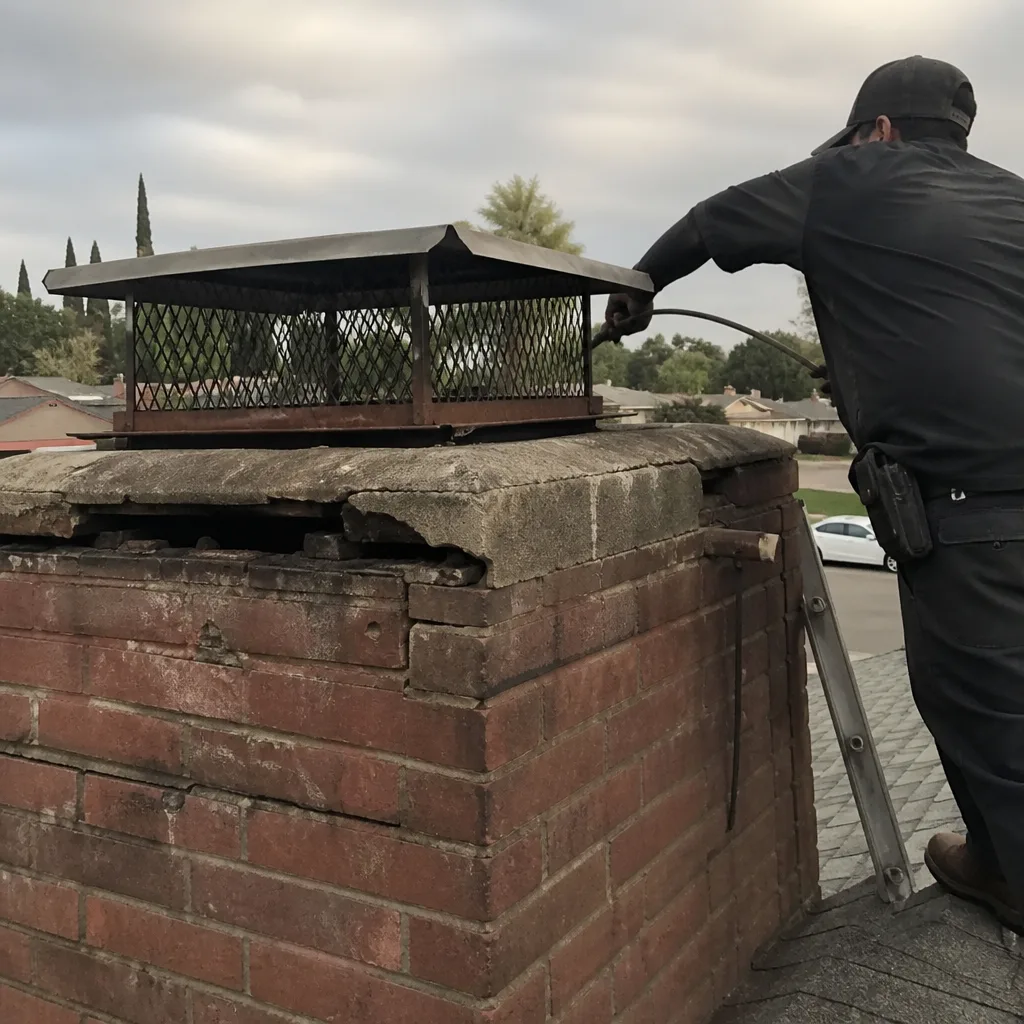 Before
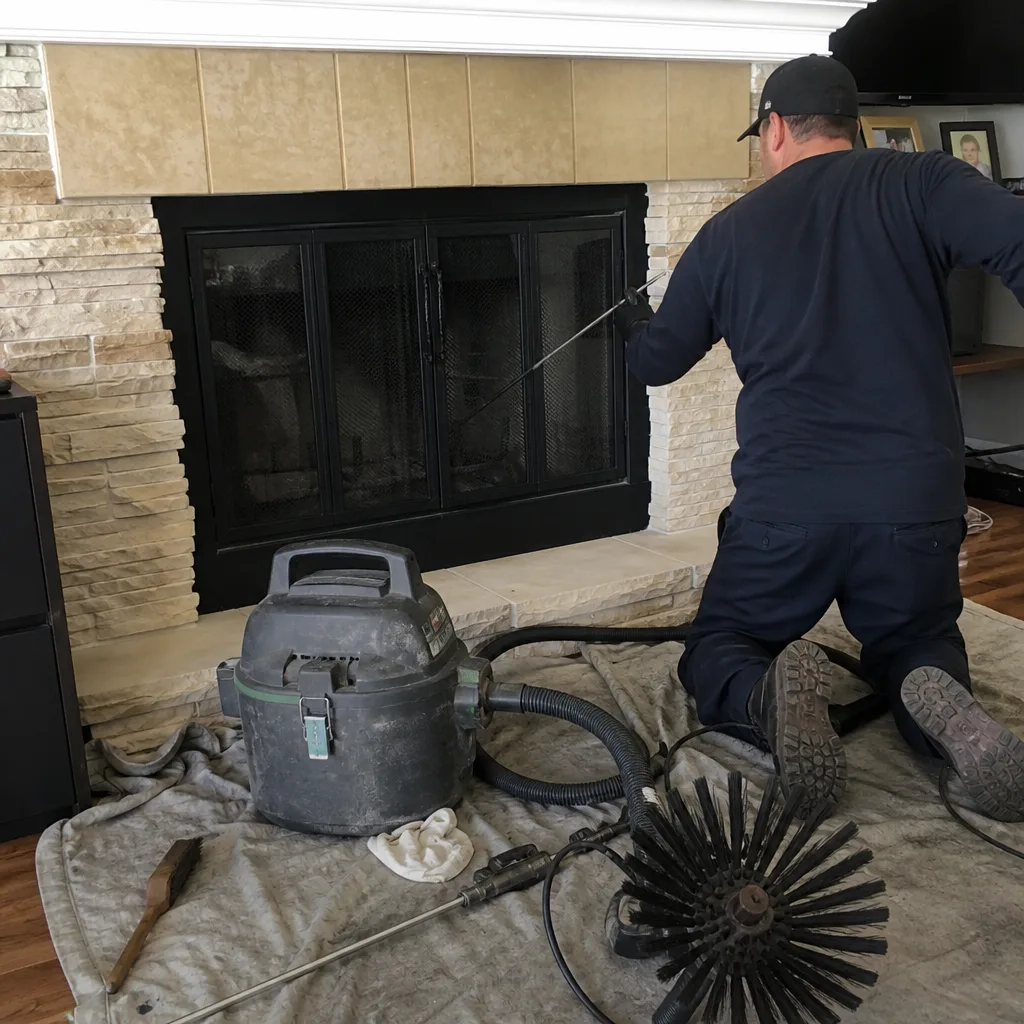 After
After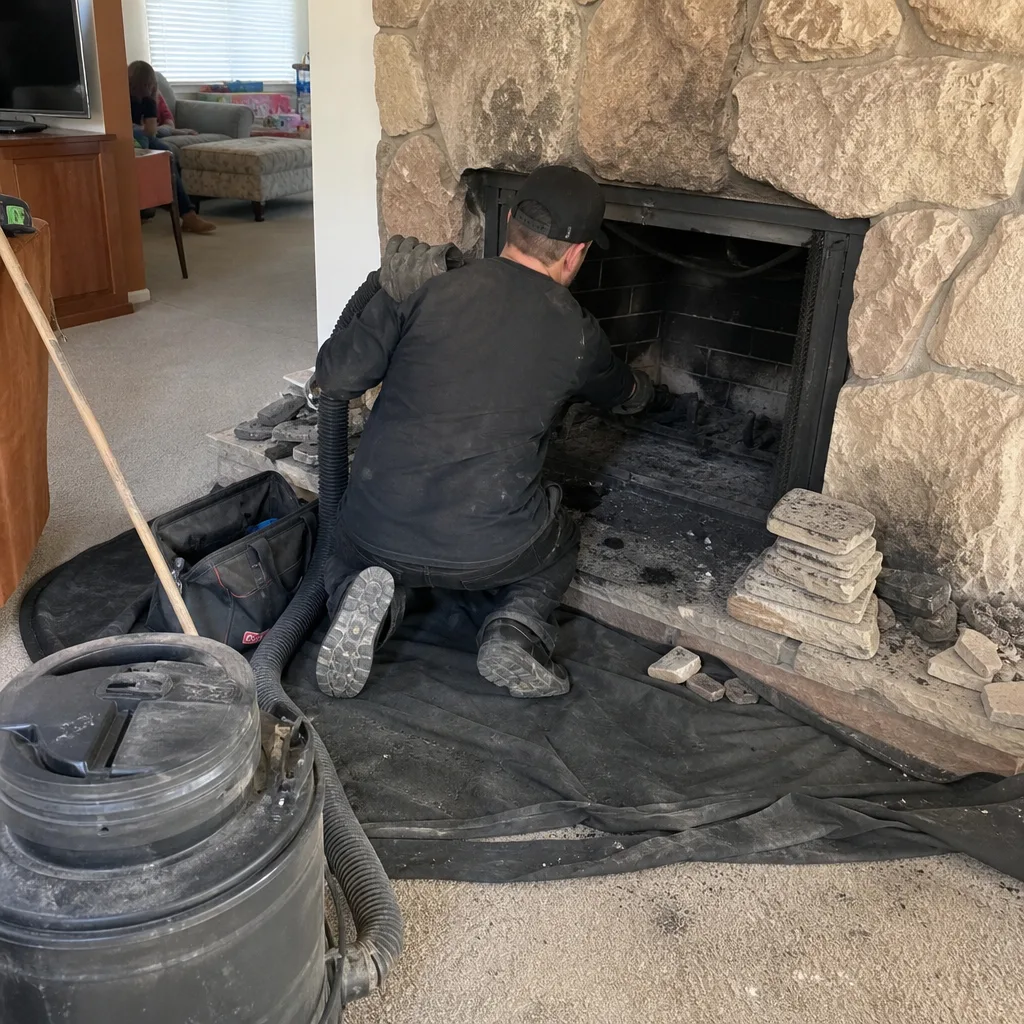 Before
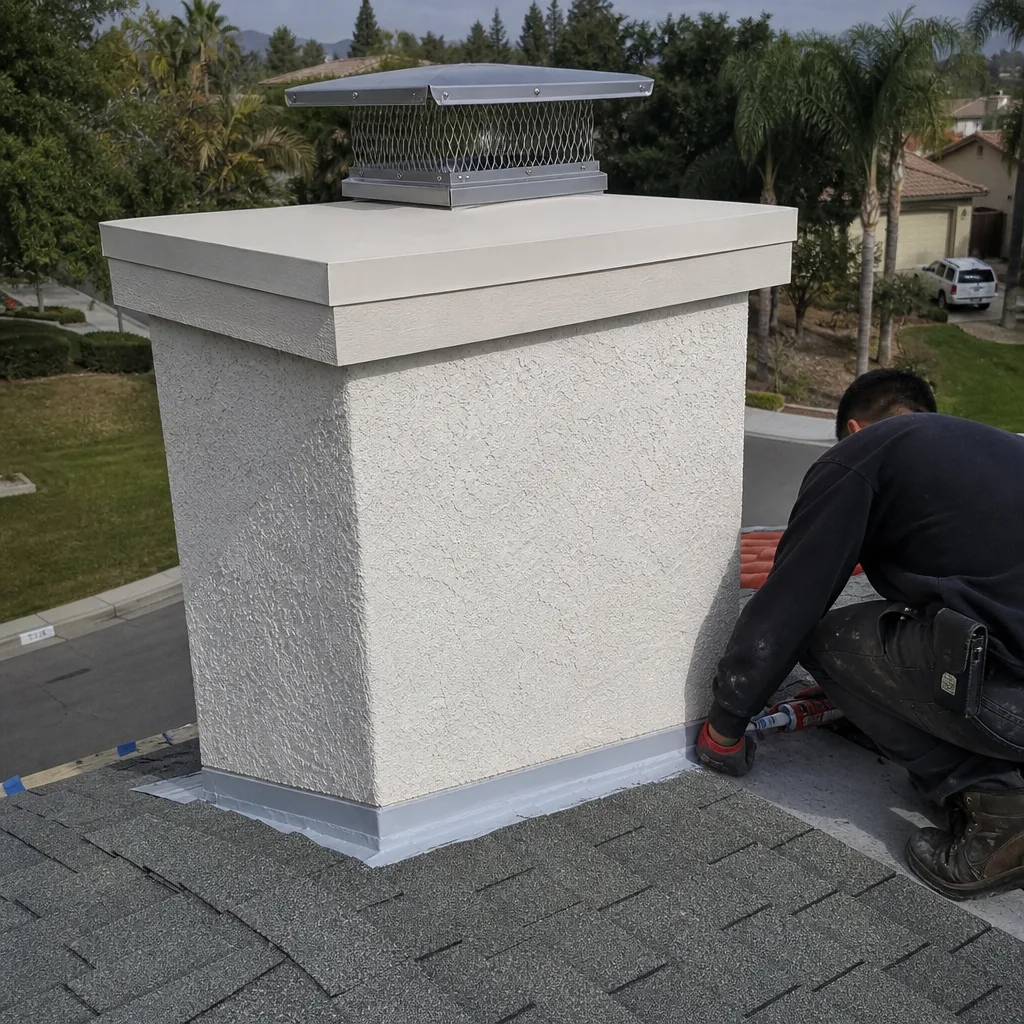 After
After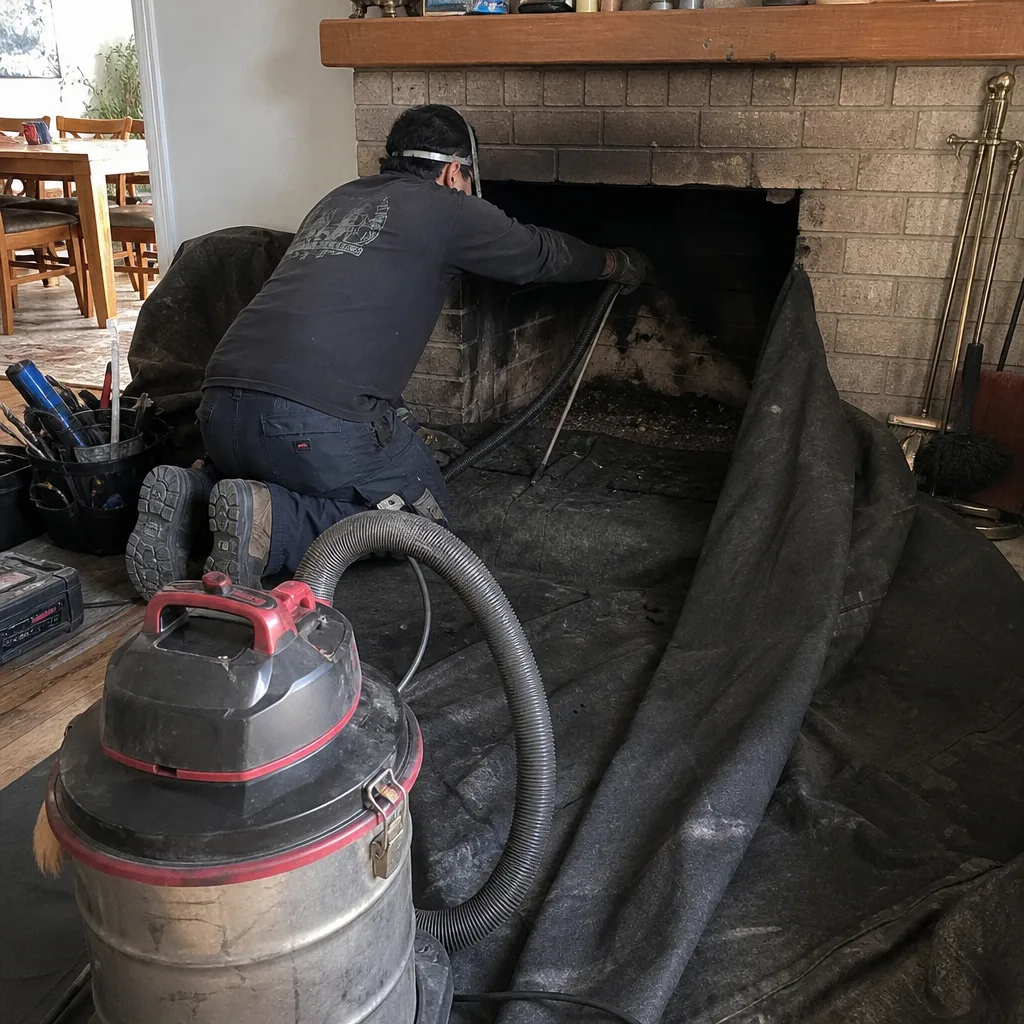 Before
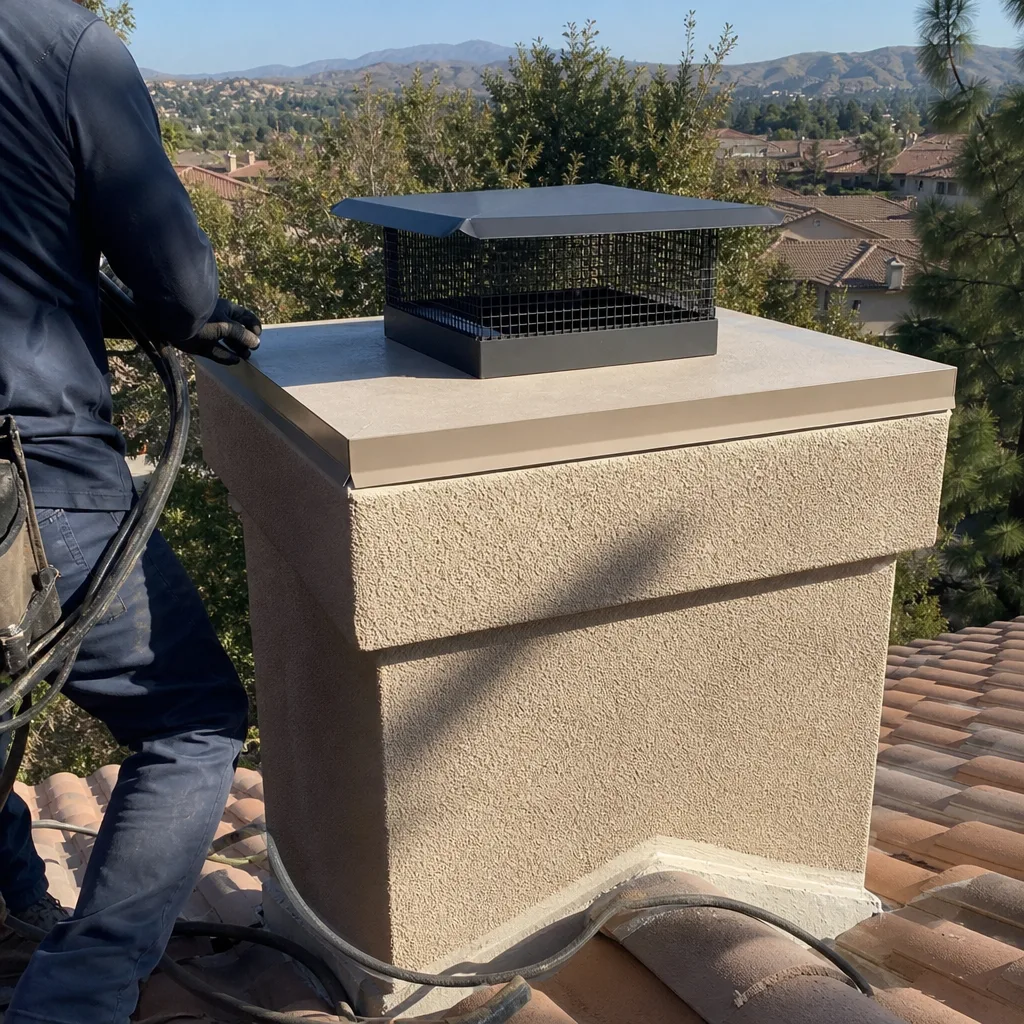 After
After