
Last updated October 15, 2026
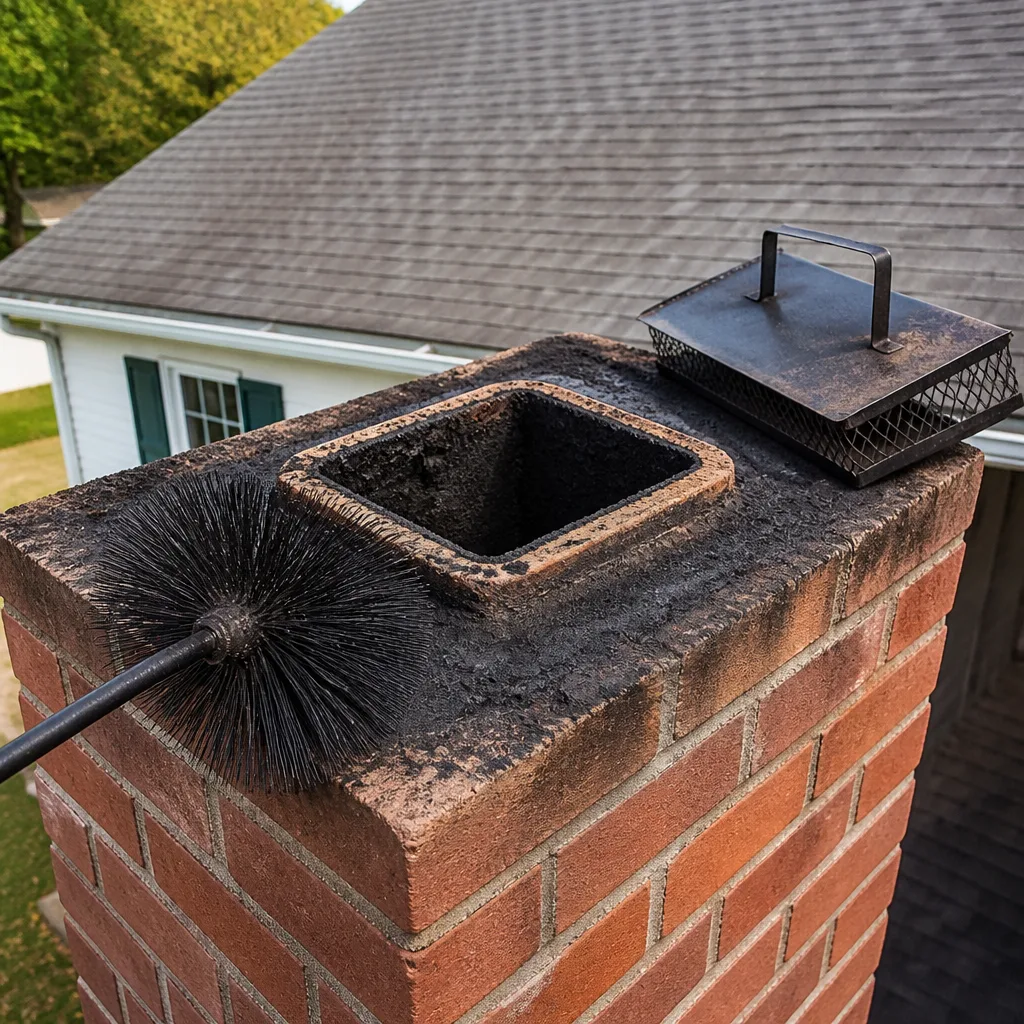 Sweep & inspection
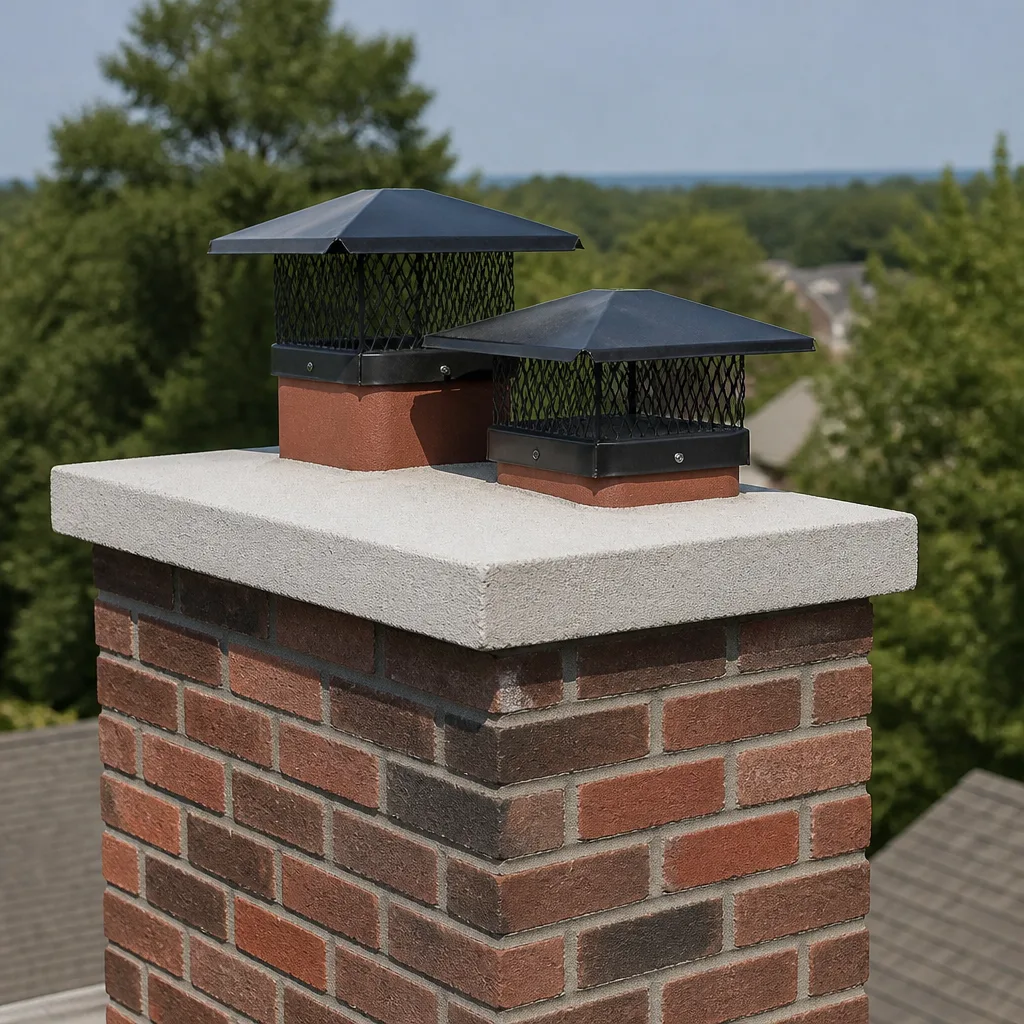 Caps & crowns
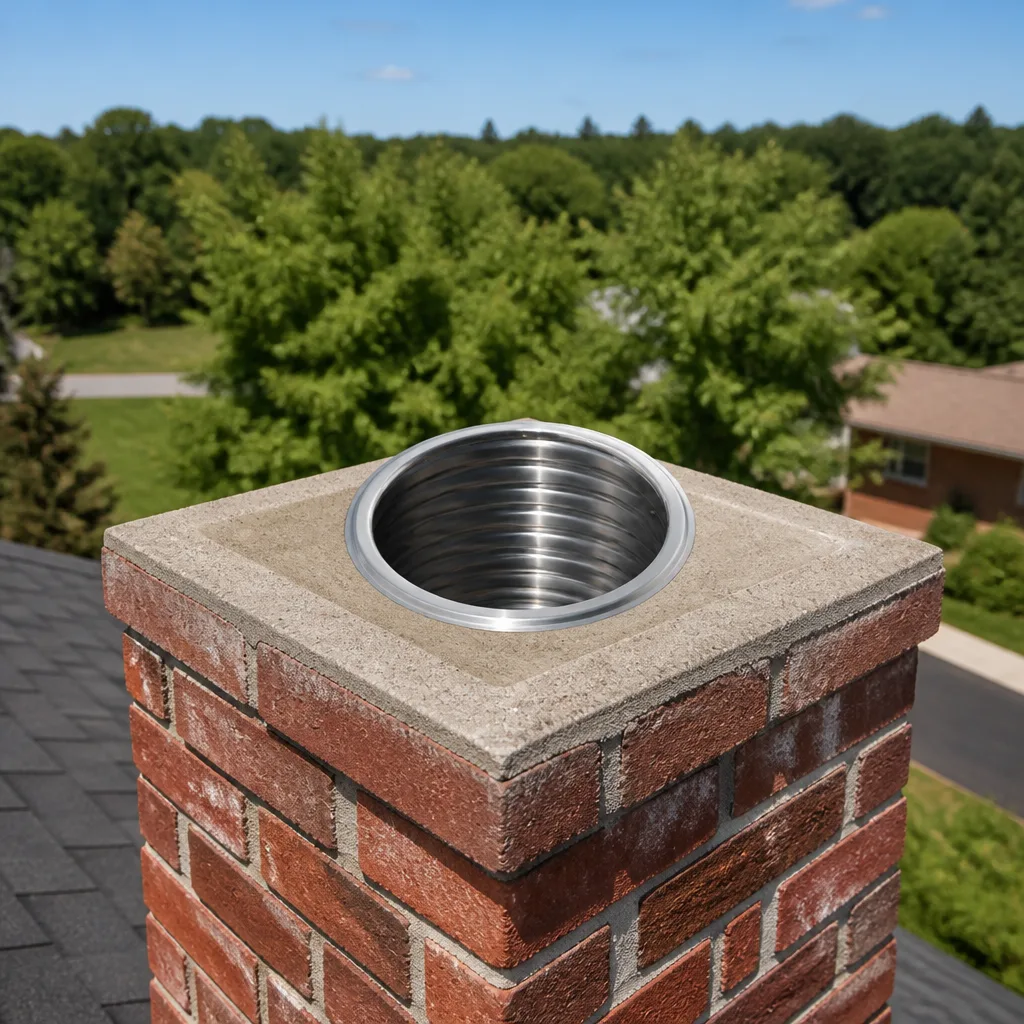 Flue relining
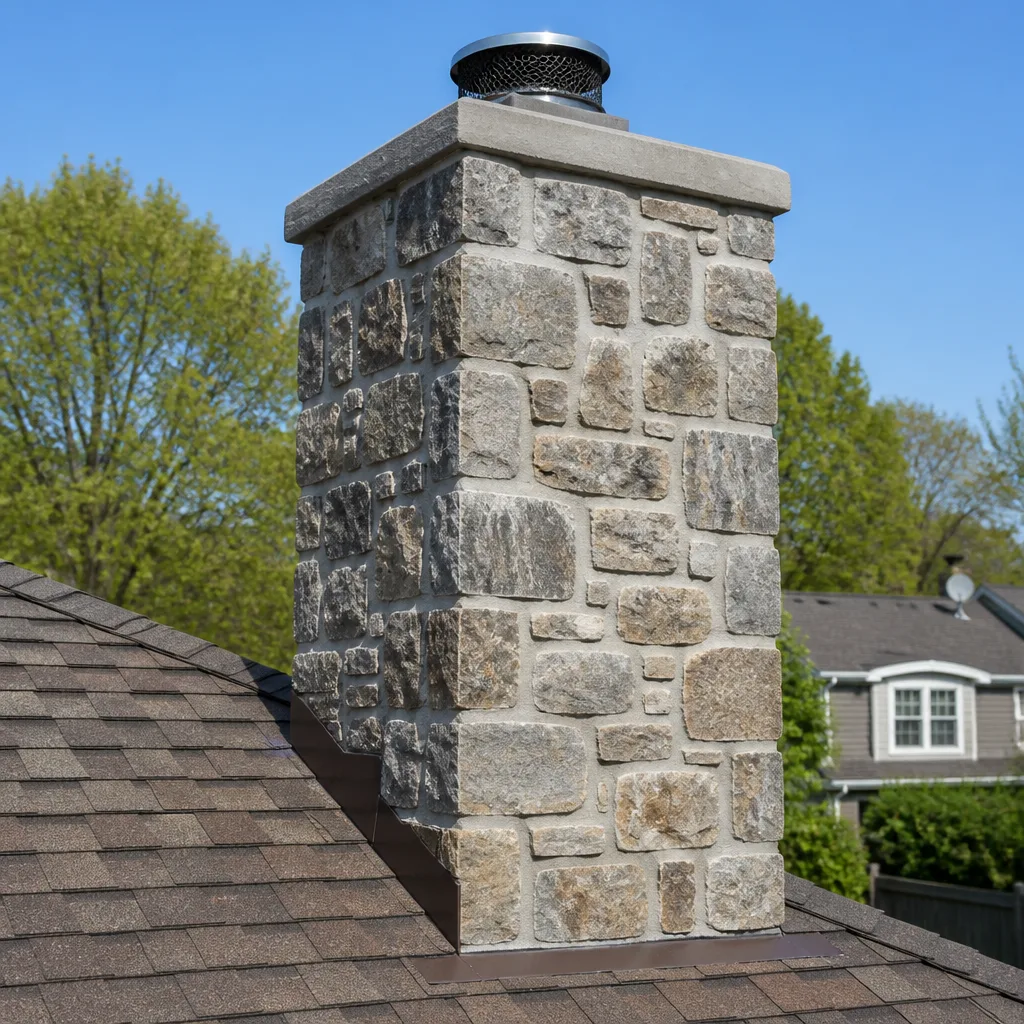 Masonry repair
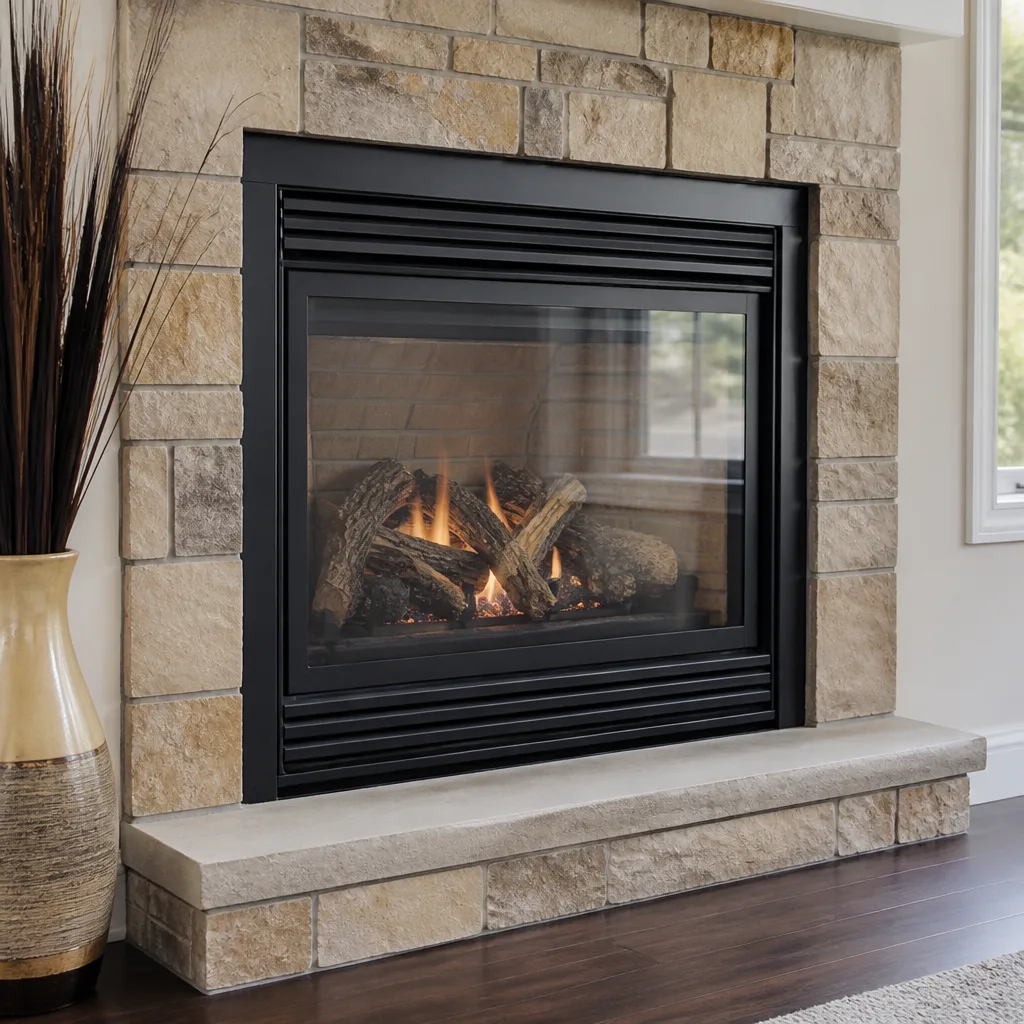 Gas fireplace service
Level 1 sweep and inspection to the NFPA 211 annual standard - flue, crown, cap, and flashing checked and photographed
Chimney sweep logs do not sweep chimneys. They loosen some creosote - which then falls where a brush and vacuum still have to collect it.
The Complete Guide to Chimney Cleaning in Riverside
Most Riverside homeowners burn fewer than 15 fires a year. That sounds like good news for a chimney, and in some ways it is. But here’s what surprises people: creosote doesn’t need heavy use to become a problem. It needs moisture, and Riverside’s dry-to-wet seasonal swings provide exactly that. A chimney that hosts a handful of fires each winter can still accumulate stage-2 creosote by spring, simply because the flue never gets hot enough, often enough, to bake moisture out of the deposits. This guide explains what actually builds up inside a Riverside chimney, when it needs attention, and what a legitimate cleaning visit should look like from the first phone call to the final walk-through.
Styles & brands we work with
Quick Answer
Chimney cleaning in Riverside typically costs between $189 and $329 for a standard sweep, and most homes need it every 1 to 2 years depending on how often the fireplace is used and what’s burned. A legitimate cleaning visit always starts with an inspection, then a written scope and price, then the cleaning itself. If a company skips the inspection or quotes a price without looking at the chimney, walk away.
Table of Contents
- What Builds Up Inside a Riverside Chimney
- How Often Should You Clean a Chimney in Riverside?
- CSIA Level 1, 2, and 3 Inspections Explained
- What a Legitimate Cleaning Visit Looks Like, Step by Step
- How to Read a Chimney Cleaning Report
- The Written Care Promise Standard: What It Should Cover
- How Much Does Chimney Cleaning Cost in Riverside?
- Common Mistakes to Avoid
- When to Call a Professional
- Frequently Asked Questions
- The Bottom Line
What Builds Up Inside a Riverside Chimney
Every fire produces byproducts. Wood smoke carries unburned particles, water vapor, and a tar-like substance called creosote that condenses on the cooler walls of the flue as the smoke rises. Over time, creosote builds up in layers. The National Fire Protection Association recognizes three stages. Stage 1 is a light, flaky soot that brushes away easily. Stage 2 is a thicker, tarrier glaze that requires rotary tools or chemical treatment. Stage 3 is a hardened, glossy glaze that can require professional removal and sometimes liner replacement.
Riverside’s climate plays a specific role here. For a full breakdown of how weather affects your flue year-round, see our Seasonal Chimney Cleaning Care for Riverside: Year-Round Homeowner’s Guide. The city’s hot, dry summers and occasional winter rains mean chimneys go through cycles of intense heat and cooling with absorbed humidity. A flue that gets used five times in December and then sits dormant through a damp January is a textbook creosote trap. The moisture settles into the deposits, and when the next fire comes, the flue warms but doesn’t fully dry out the deeper layers. Over two or three seasons, that pattern can push a chimney from stage 1 to stage 2 without the homeowner ever burning more than a few cords total.
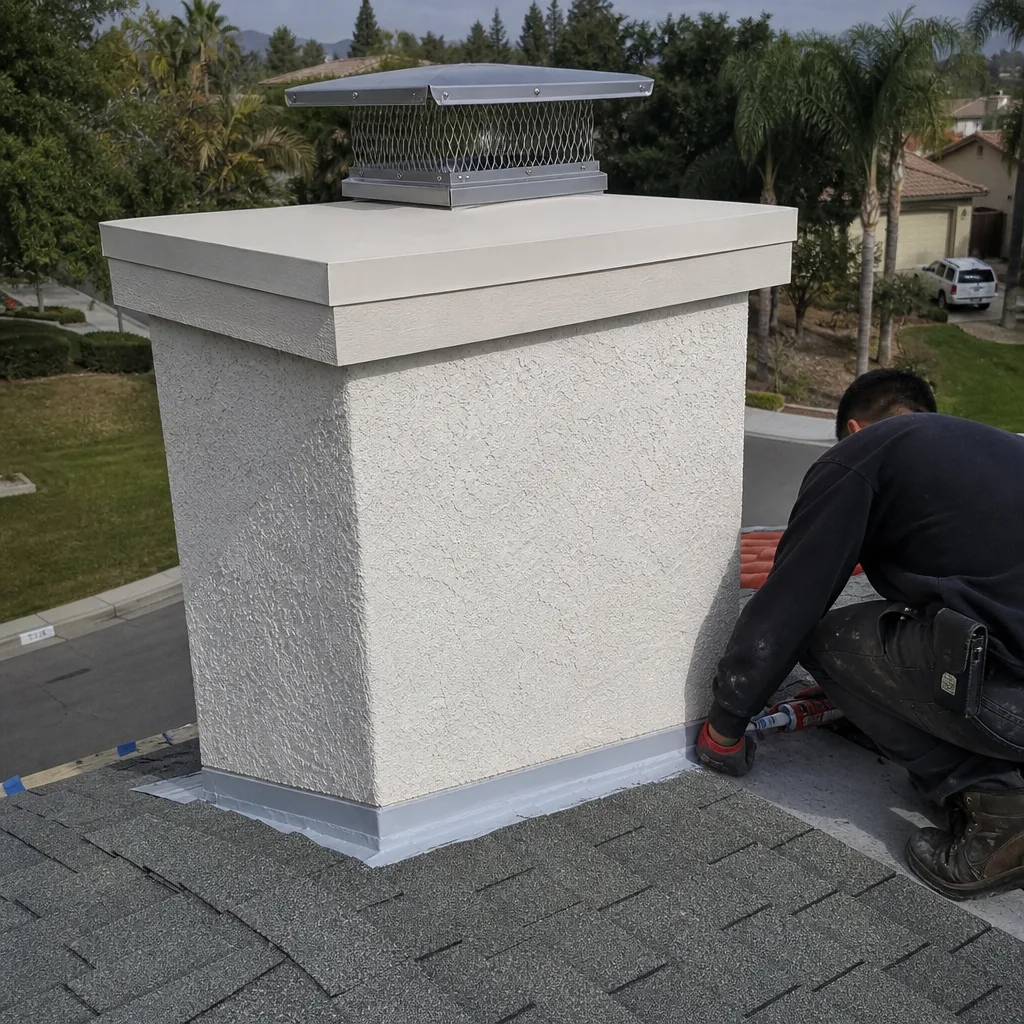
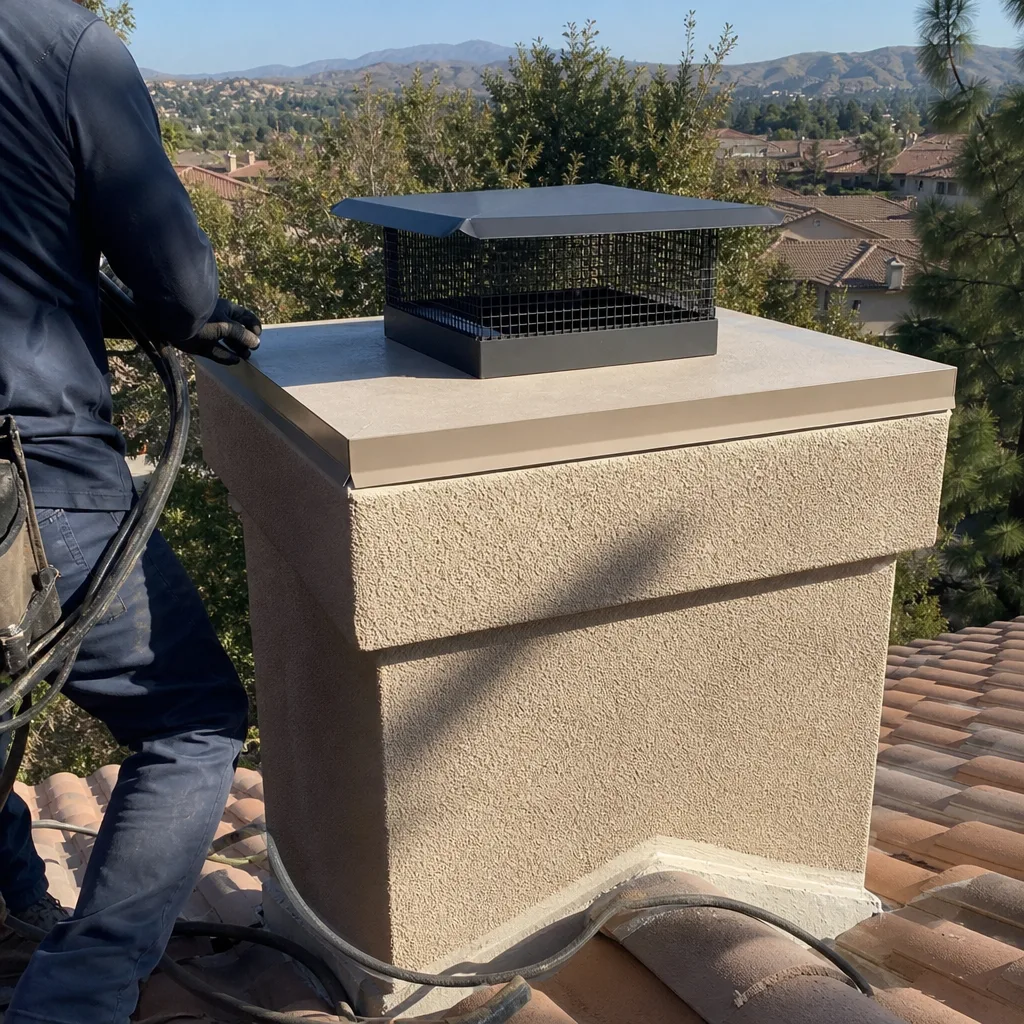
We also see specific debris in Riverside chimneys that colder climates don’t deal with as often. Dry leaves, palm fronds, and the nests of small birds and rodents find their way into uncapped flues during the long warm season. Creosote mixed with organic debris is more flammable than creosote alone. A chimney cap is one of the cheapest and most effective protections a Riverside homeowner can add, and we recommend one on nearly every Chimney Inspection in Riverside.
What Else Gets In Besides Creosote
- Palm fronds and dry leaves: Riverside’s mature palm trees shed constantly, and uncapped flues collect them.
- Bird and rodent nests: Swallows, starlings, and roof rats all see chimneys as sheltered cavities.
- Brick and mortar debris: Older Riverside homes, especially in the Wood Streets and Magnolia Center neighborhoods, have chimneys with aging mortar joints that spall into the flue.
- Moisture damage: Riverside’s rain is infrequent but can be intense. Water intrusion through a cracked crown or missing cap accelerates creosote adhesion and liner corrosion.
The point is simple: a Riverside chimney accumulates more than smoke residue. It accumulates the local environment. That’s why a cleaning here is never just a brushing. It’s an assessment of what the flue has been holding, and why.
How Often Should You Clean a Chimney in Riverside?
The widely repeated rule is “once a year.” The CSIA and NFPA both recommend an annual inspection, and cleaning as needed based on what that inspection finds. For many Riverside homes, that means a sweep every 1 to 2 years. A household that burns 10 to 15 fires per season and uses well-seasoned hardwood may not need a full cleaning annually. A household that burns green wood, uses the fireplace weekly from November through February, or has an older masonry chimney may need it every year.
Here’s the practical breakdown we’ve seen across hundreds of Riverside homes:
- Occasional use (under 10 fires per year, seasoned wood): Clean every 2 years. Inspect annually.
- Moderate use (10 to 25 fires per year): Clean every 1 to 2 years.
- Heavy use (25+ fires per year, or occasional green or scrap wood): Clean annually, sometimes before and after the burning season.
- Gas fireplace with a chimney or vented log set: Less creosote risk, but still needs an annual inspection for blockages, rust, and venting issues.
- New home purchase or recent move-in: Clean and inspect before the first fire, regardless of what the seller said.
One of the most common scenarios we see is a homeowner who buys a Riverside house in spring or summer, uses the fireplace a few times that first winter, and never thinks about the chimney again until smoke starts backing into the living room. By then, the flue has often been accumulating debris for years before they even owned the property. If you haven’t had the chimney looked at since you moved in, this winter is the time, not next winter.
CSIA Level 1, 2, and 3 Inspections Explained
The Chimney Safety Institute of America defines three inspection tiers. Knowing which one applies to your situation protects you from both under-inspection and unnecessary upsells. Here’s what each level means in plain language.
Level 1: The Standard Check
A Level 1 inspection covers the readily accessible portions of the chimney, fireplace, and connected appliance. The technician examines the flue interior, damper, firebox, and exterior chimney structure without special tools or access equipment. This is the appropriate level when the chimney has been in continuous use under the same conditions and nothing has changed. Most annual chimney cleanings in Riverside include a Level 1 inspection as part of the visit.
Level 2: The Deeper Look
A Level 2 inspection includes everything in Level 1 plus access to attics, crawl spaces, and roof areas, often using video scanning equipment to examine the full flue interior. This level is required when the home is being sold or transferred, when the chimney has been damaged by a chimney fire, earthquake, or severe weather, or when the fireplace or fuel type is changed. Riverside homes built before 1970, especially in the downtown and Arlington areas, often have unlined or clay-tile-lined chimneys that benefit from a Level 2 look, because the flue interior may never have been assessed since construction.
Level 3: The Invasive Investigation
A Level 3 inspection involves removing portions of the chimney or building structure to access hidden areas. This is rare, and it’s only warranted when a Level 1 or 2 inspection reveals a serious concern that can’t be evaluated any other way. A legitimate company will never jump straight to Level 3. If someone recommends it immediately after a cursory look, get a second opinion.
For most Riverside home sales, the buyer’s inspection contingency triggers a Level 2 chimney inspection. If you’re selling a home in Riverside with a fireplace, expect this. If you’re buying, ask for it. And if you’re spending your first winter in a new home, our Chimney Sweep in Riverside service includes the right inspection tier for your situation, explained before we start.
What a Legitimate Cleaning Visit Looks Like, Step by Step
A chimney cleaning is not just a guy with a brush. A proper visit follows a sequence that protects the homeowner, the home, and the technician. If a company skips step one, that’s a red flag. Here’s the sequence we follow on every Kindling Chimney Riverside visit, and the sequence you should expect from any legitimate sweep in Riverside.
Step 1: The Inspection Comes First, Every Time
Before any brush touches the flue, a technician should look at the fireplace, the damper, the flue interior, the chimney cap and crown, and the surrounding roof area. This determines what kind of cleaning is needed, whether any damage exists, and whether the flue is even safe to sweep. Cleaning without inspecting can push a damaged flue over the edge or miss a blockage that brushing won’t resolve. It also means the technician is working blind, which is how problems get missed and how homes get damaged.
Step 2: The Written Scope and Price, Delivered Before Work Starts
After the inspection, you should receive a written description of what will be done and what it will cost. Not a verbal estimate. Not a “we’ll see how it goes” number. A written price. This is non-negotiable for a legitimate cleaning. At Kindling Chimney Riverside, the written price is delivered before any work begins, every time, with no on-the-spot pressure and no surprise add-ons after the fact.
Step 3: The Home Is Protected Before the Work Begins
Drop cloths go down before any tools come out. Shoe covers go on before any technician walks across your floor. Furniture and rugs near the fireplace are protected from soot, dust, and debris. Nothing is moved without asking. If the crew shows up without visible cleaning supplies for the house itself, that’s a sign they don’t have a care standard. Every Kindling visit follows the Cedarwell Care Promise: shoe covers and drop cloths on arrival, nothing moved without asking, and a photo of the clean-up taken before the crew leaves.
Step 4: The Cleaning Itself
The sweep removes creosote, debris, nests, and blockages from the flue using brushes sized to the flue dimensions. The firebox and smoke chamber are cleaned. The damper is checked for operation. In Riverside, where old homes often have irregular flue shapes, rotary tools and flexible rods are sometimes needed to reach the entire surface. The technician should be able to tell you afterward exactly what was found and what was removed.
Step 5: The Photo Report and Walk-Through
After the cleaning, you should receive a report with photos from before and after, notes on what was found, and any recommendations for future maintenance. Walk through the fireplace area with the technician. Confirm the clean-up. Ask questions. A legitimate company wants you to see the work, because transparency is the product. A company that rushes you out the door after the job is hiding something, or it doesn’t value what happens after the check clears.
How to Read a Chimney Cleaning Report
Most Riverside homeowners never see a chimney cleaning report, because most companies don’t provide one. That’s a problem. A report is the only way to know what was found, what was done, and what’s being watched for next season. Here’s how to read one when you get it.
A useful report includes three things: findings (what the inspection uncovered), actions (what the cleaning or repair addressed), and recommendations (what should be monitored or scheduled next). If a report only says “chimney cleaned” with no findings or notes, it’s a receipt, not a report.
What to Look For
- Creosote stage and thickness: Was it stage 1, 2, or 3? How thick? This tells you how fast your burning habits are building deposits.
- Debris identified: Nests, leaves, mortar chips, animal activity. This tells you whether a cap or crown repair is needed.
- Flue condition: Any cracks, spalling, missing mortar, or liner damage noted? These are separate from creosote and require different solutions.
- Damper operation: Does it open and close fully? Does it seal? A poorly sealing damper wastes heat and lets moisture in.
- Cap and crown status: Is the cap intact? Is the crown cracked? These are the first line of defense against water intrusion.
- What’s being watched: A good report flags anything borderline that doesn’t need action yet but should be rechecked next season.
If the report recommends a repair, ask to see the photos. A legitimate technician will show you images of the crack, gap, or deterioration. If they can’t show you the problem, don’t authorize the repair. This is the single most important rule in chimney work: nothing gets recommended without camera evidence you can see for yourself. At Kindling Chimney Riverside, we follow that rule on every job. If we can’t show you the problem, we don’t recommend the repair.
The Written Care Promise Standard: What It Should Cover
Most chimney companies in Riverside work on a handshake and a verbal quote. The scope is vague, the price is a range, and if something goes wrong, the homeowner has nothing in writing. We think that’s backwards. A written care promise should be the minimum standard, not a premium feature. Here’s what it should cover, and why verbal estimates leave families exposed.
Price. The written promise states exactly what the job costs before work begins. Not after the chimney is open. Not after “unexpected complications.” Before. If a company can’t commit to a price in writing, they either don’t know their own work well enough to scope it, or they’re planning to add costs during the job. Either way, that’s their problem, not yours.
Clean-up. The promise should state exactly how the home will be protected and what the crew will do before they leave. Shoe covers. Drop cloths. Nothing moved without asking. A photo of the finished clean-up. If the promise doesn’t name these specifics, it’s not a promise, it’s a hope.
Craftsmanship. The promise should state what happens if the work isn’t done right. Does the company stand behind it? For how long? What’s the process for making it right? At Kindling Chimney Riverside, this is the 365-Day Done Right Promise: if the work isn’t right, we make it right. No fine print, no runaround. Every sweep, every inspection, every Fireplace Repair in Riverside falls under the same promise.
The Cedarwell Care Promise is the standard we built around, and it’s named because families with kids and pets should never have to wonder what the crew will do or what the bill will be. It’s not a guarantee buried in a contract. It’s the operating baseline for every visit.
How Much Does Chimney Cleaning Cost in Riverside?
Chimney cleaning prices in Riverside vary by chimney type, flue condition, and access difficulty. A standard masonry fireplace sweep in the Riverside market typically runs between $189 and $329. Prefabricated chimneys, multi-story homes, steep roof pitches, and heavy creosote or animal removal can push the price higher, typically into the $350 to $500 range. Here’s a breakdown of what you’re typically paying for in the Riverside area.
Typical Chimney Cleaning Costs in Riverside
| Service | Typical Range | What It Includes |
|---|---|---|
| Standard masonry fireplace sweep | $189 – $329 | Level 1 inspection, flue brushing, firebox cleaning, damper check |
| Prefabricated chimney sweep | $199 – $349 | Inspection, flue cleaning, cap check, venting assessment |
| Heavy creosote removal (stage 2+) | $100 – $200 additional | Rotary tool work or chemical treatment to break down glazed deposits |
| Animal or debris removal | $75 – $250 additional | Depends on access and what was found during inspection |
| Chimney cap installation | $150 – $400 | Cap unit, installation, and sealing |
| Level 2 inspection (video scan) | $99 – $249 | Full flue video documentation, attic and crawl space access |
These are honest Riverside market ranges as of this writing, not bait prices. Any company offering a $49 “full cleaning” is either doing a partial job or planning to upsell you the moment they’re on site. A legitimate sweep costs what it costs because it includes inspection, proper equipment, home protection, and a report. We’d rather tell you the real number up front than have you discover the real number after the fact. When you call Kindling Chimney Riverside at (831) 218-8547, we’ll give you a straight quote for your specific chimney, in writing, before any work starts.
Common Mistakes to Avoid
- Skipping the inspection “to save time.” A cleaning without an inspection is blind work. If the flue has hidden damage, brushing can worsen it. If a blockage exists above the damper, brushing won’t clear it. The inspection is the point.
- Trusting a verbal quote. A verbal estimate is not a contract. If the price isn’t in writing before work starts, you have no protection when the bill lands higher than the quote.
- Burning green wood because “it’s cheap.” Green or wet wood produces more smoke, more water vapor, and more creosote. It costs less at the source and more at the chimney.
- Ignoring the cap. An uncapped chimney in Riverside collects palm fronds, leaves, birds, and roof rats during the long warm season. A $200 cap prevents most of what we clean out of flues.
- Waiting until smoke backs into the room. By the time smoke reverses into the living room, the flue has been compromised for a while. The first sign of trouble should trigger a call, not a wait-and-see.
- Buying a house without a chimney inspection. Riverside home sale inspections sometimes skip the chimney. Ask for a Level 2 inspection specifically. It’s a few hundred dollars against a potential multi-thousand dollar liner job.
- Authorizing repairs without seeing photos. If a technician recommends a new liner or crown repair and can’t show you camera evidence of the damage, do not authorize the work. This single rule saves Riverside homeowners more money than any other.
When to Call a Professional
Call a professional chimney sweep in Riverside if you notice smoke backing into the room, a strong smoky odor even when the fireplace isn’t in use, visible creosote buildup on the damper or firebox walls, animal sounds coming from the chimney, or water stains on the ceiling or walls near the fireplace. Also call if you’ve bought a new home and haven’t had the chimney inspected, if you’ve changed the type of fuel you burn, or if it’s simply been more than two years since the last cleaning. And if you’re ever unsure whether the chimney is safe to use, err on the side of the inspection. Kindling Chimney Riverside offers free estimates in Riverside. Call (831) 218-8547 and a live person will answer, 24 hours a day.
Frequently Asked Questions
A standard chimney sweep in Riverside typically costs between $189 and $329 for a masonry fireplace, depending on flue condition and access. Prefabricated chimneys, heavy creosote, and animal removal add to the price. Call (831) 218-8547 for an exact quote, and we’ll put the number in writing before any work starts.
You need a new liner only if the existing liner has cracks, gaps, spalling, or deterioration that compromises the chimney’s ability to vent safely. You should be able to see the damage in photos or video before authorizing the work. At Kindling Chimney Riverside, we never recommend a liner replacement without camera evidence you can review yourself, and we use professional-grade liner brands like DuraFlex and HeatShield when replacement is genuinely needed. If a company recommends a liner but won’t show you the problem, get a second opinion.
Most Riverside homes should be swept every 1 to 2 years, with an annual inspection regardless of cleaning frequency. Low fire frequency doesn’t eliminate creosote risk in Riverside’s climate; moisture and organic debris still accumulate. Homes with heavier use, green wood burning, or older chimneys may need annual cleaning.
Skipping cleaning allows creosote to build up, debris to accumulate, and moisture to intrude through cracks and gaps. Over time, this can lead to reduced draft, smoke backing into the home, unpleasant odors, and increased fire risk inside the flue. It can also accelerate liner deterioration, turning a $250 cleaning into a $3,000 liner replacement. The cheapest year to clean a chimney is always this year.
A professional cleaning should not be messy. Drop cloths, shoe covers, and proper containment equipment keep the soot and dust inside the work area, not spread through the house. At Kindling Chimney Riverside, the Cedarwell Care Promise includes shoe covers and drop cloths on every visit, and we take a photo of the clean-up before the crew leaves so you can see the standard for yourself.
You can, but we don’t recommend it for most homeowners. See our DIY vs Professional Chimney Cleaning: The Riverside Homeowner’s Decision Guide for a full comparison. Chimney cleaning requires working on the roof or reaching deep into the flue with tools, and the risk of falls, incomplete removal, and missed damage is real. A professional sweep includes an inspection, which is the part most DIY jobs skip entirely. The dangerous part isn’t the brushing, it’s the false confidence that comes after a partial job. Call (831) 218-8547 and get it done properly.
The Bottom Line
Riverside’s mild winters create a false sense of chimney safety. The fires are fewer, but the creosote still builds, the debris still collects, and the moisture still finds its way in. A structured approach to chimney cleaning protects the home, the family, and the wallet. Inspection first. Written price second. Cleaning third. Report always. And if a company skips any step of that sequence, it’s not the right company. We’re Kindling Chimney Riverside, and we’ve been serving Riverside since 2003 through the Cedarwell family of companies. If you want a sweep that shows up with shoe covers, a written price, and a camera report, call (831) 218-8547. A live person answers, 24 hours a day.
Written by Danny Cortes, Owner at Kindling Chimney Riverside, serving Riverside since 2003.
See the difference
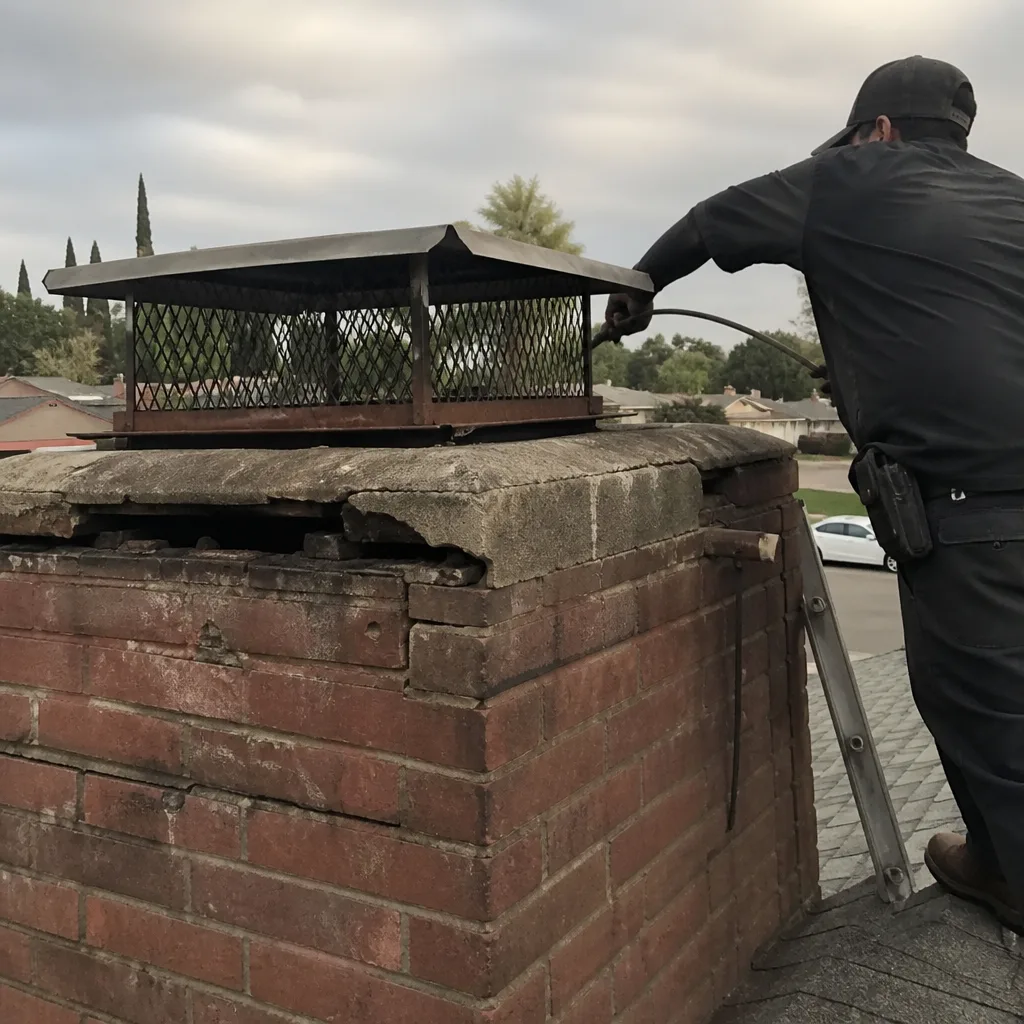 Before
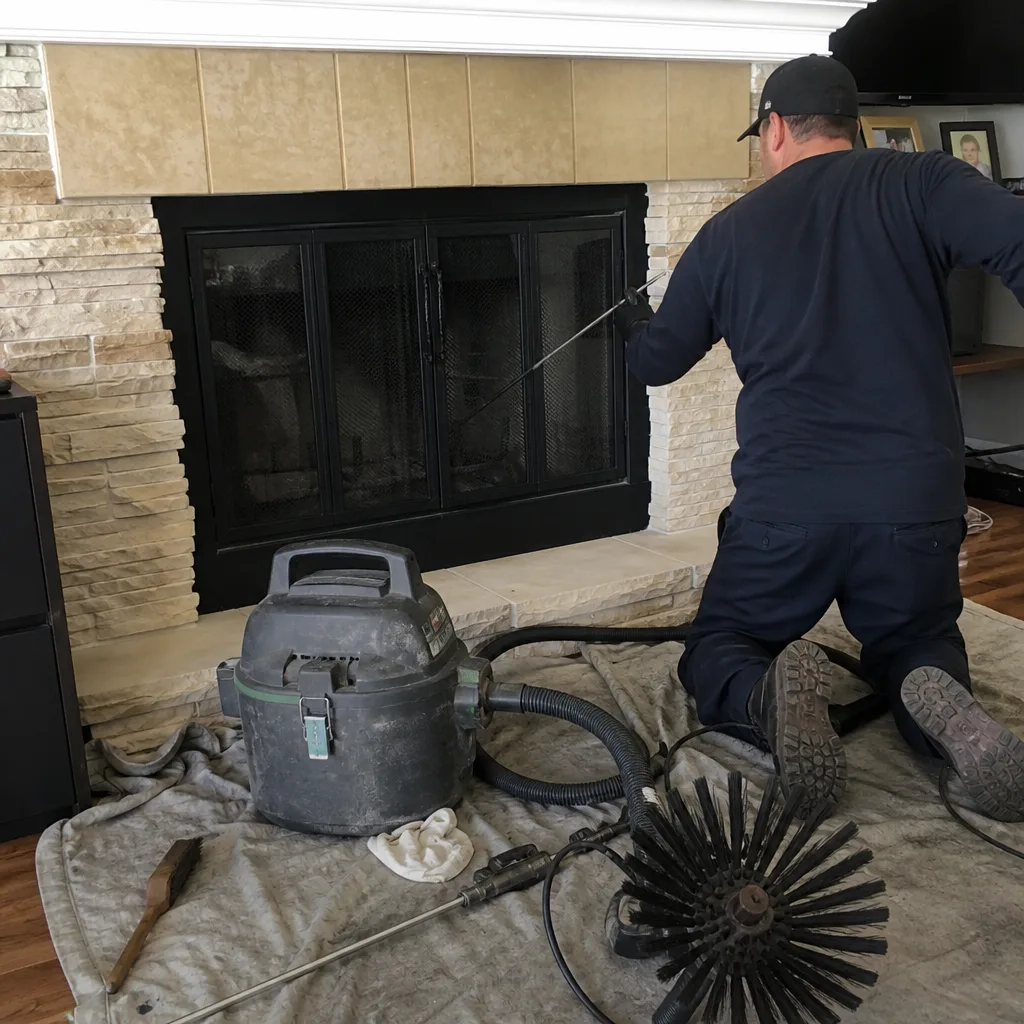 After
After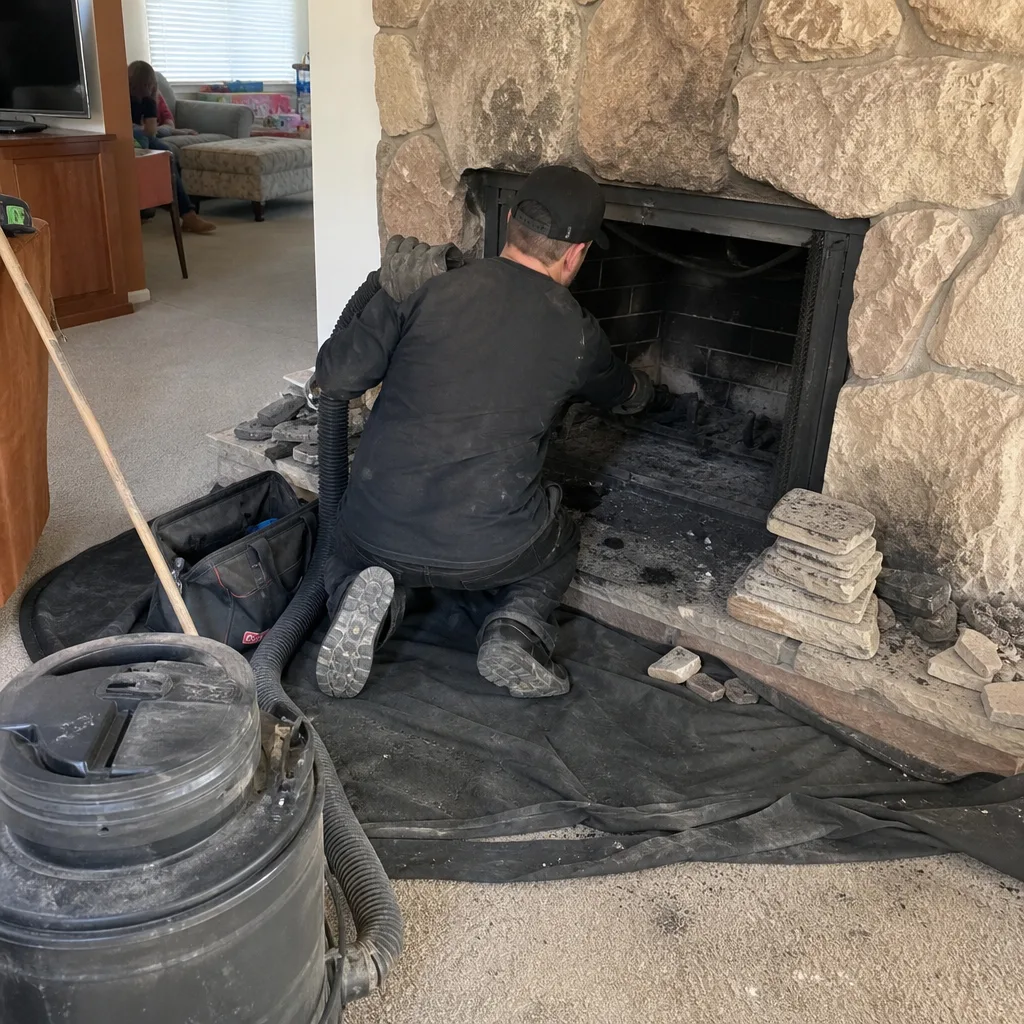 Before
 After
After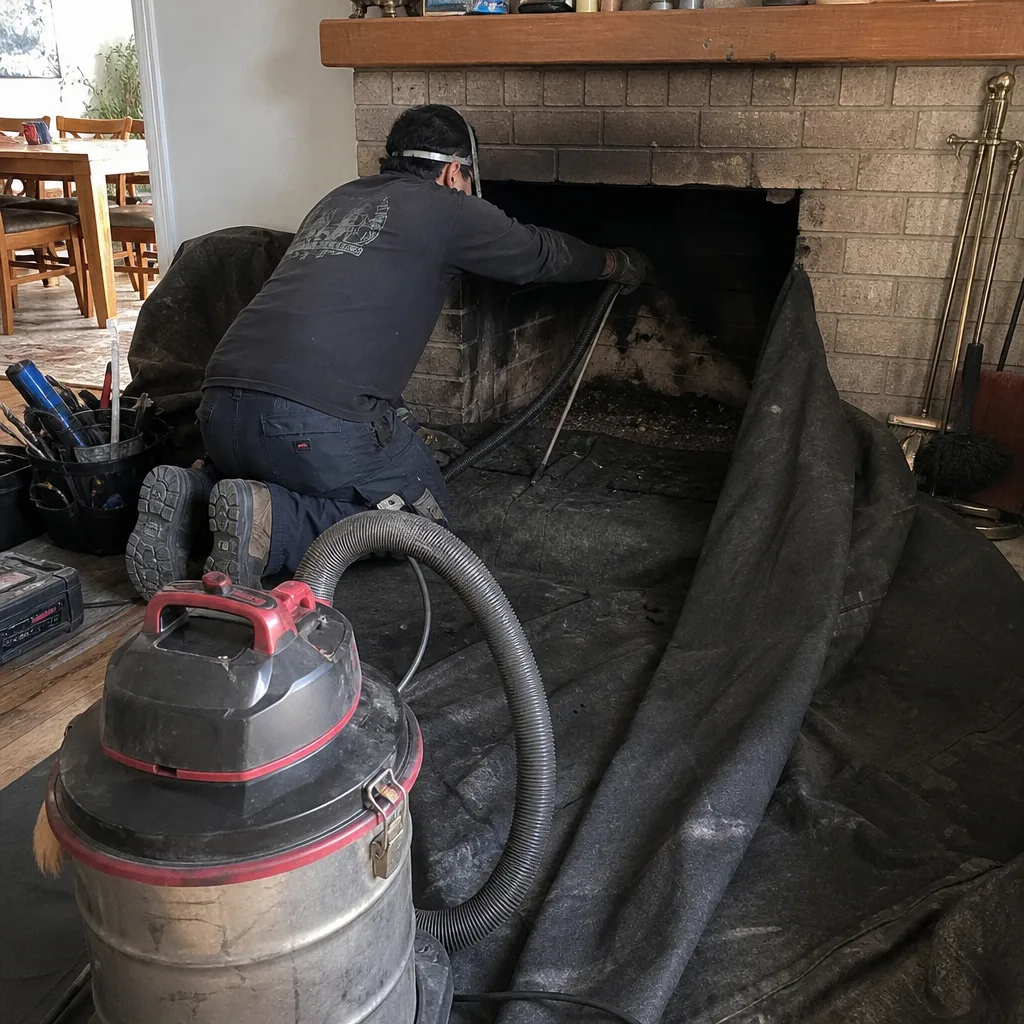 Before
 After
After