
Last updated October 15, 2026
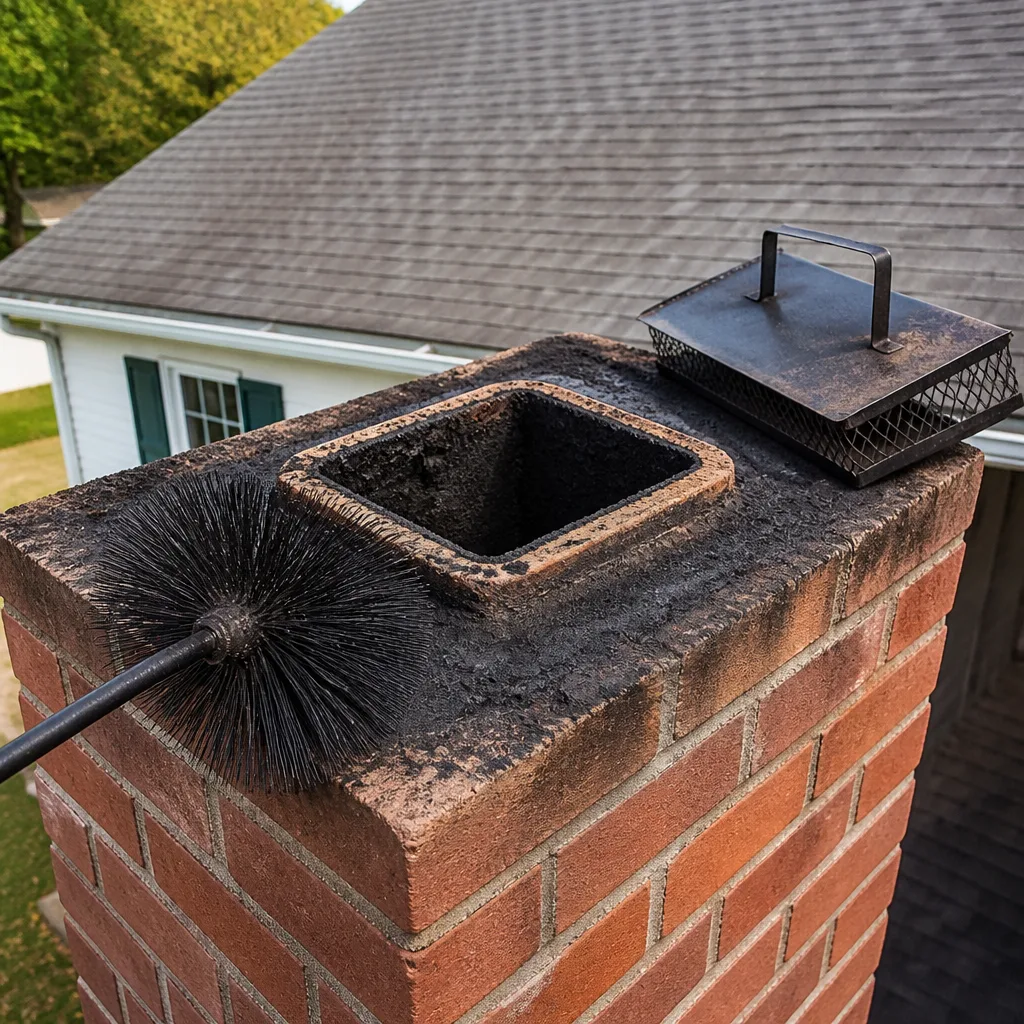 Sweep & inspection
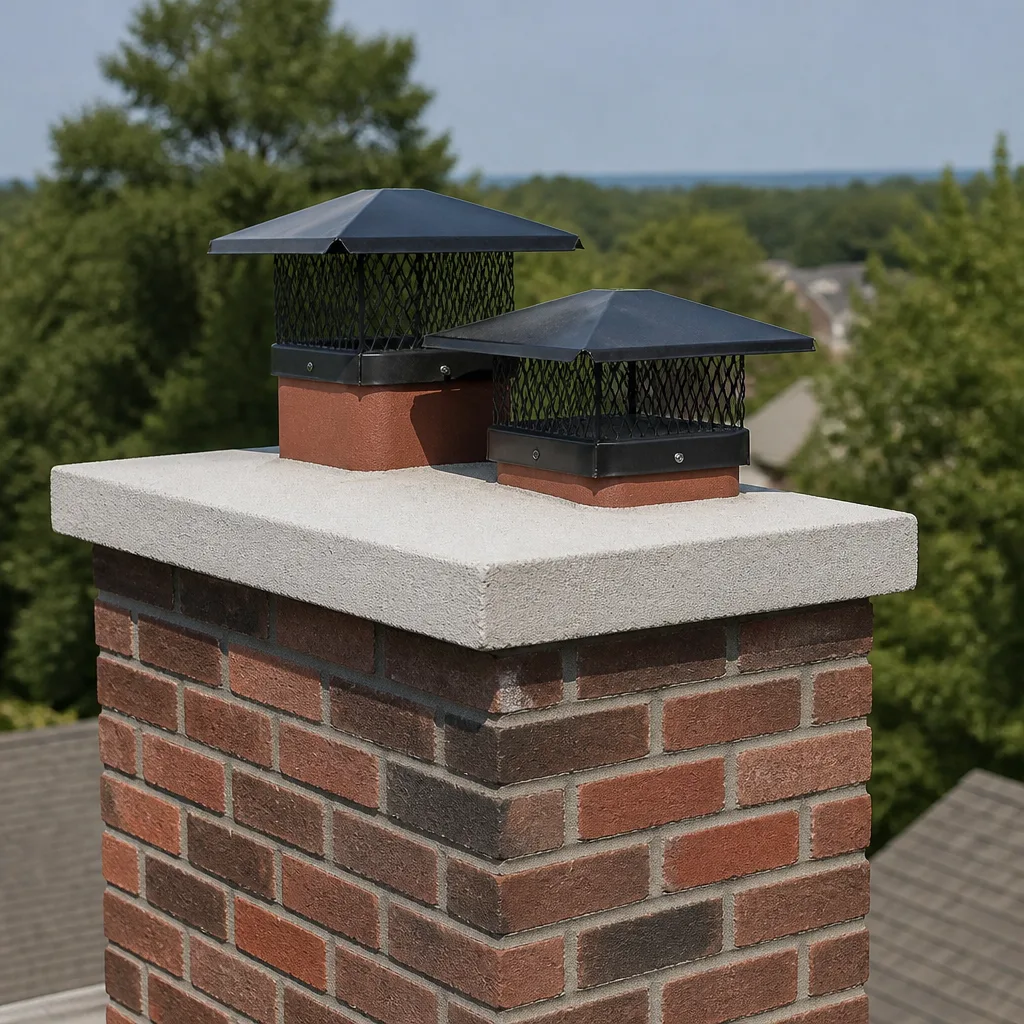 Caps & crowns
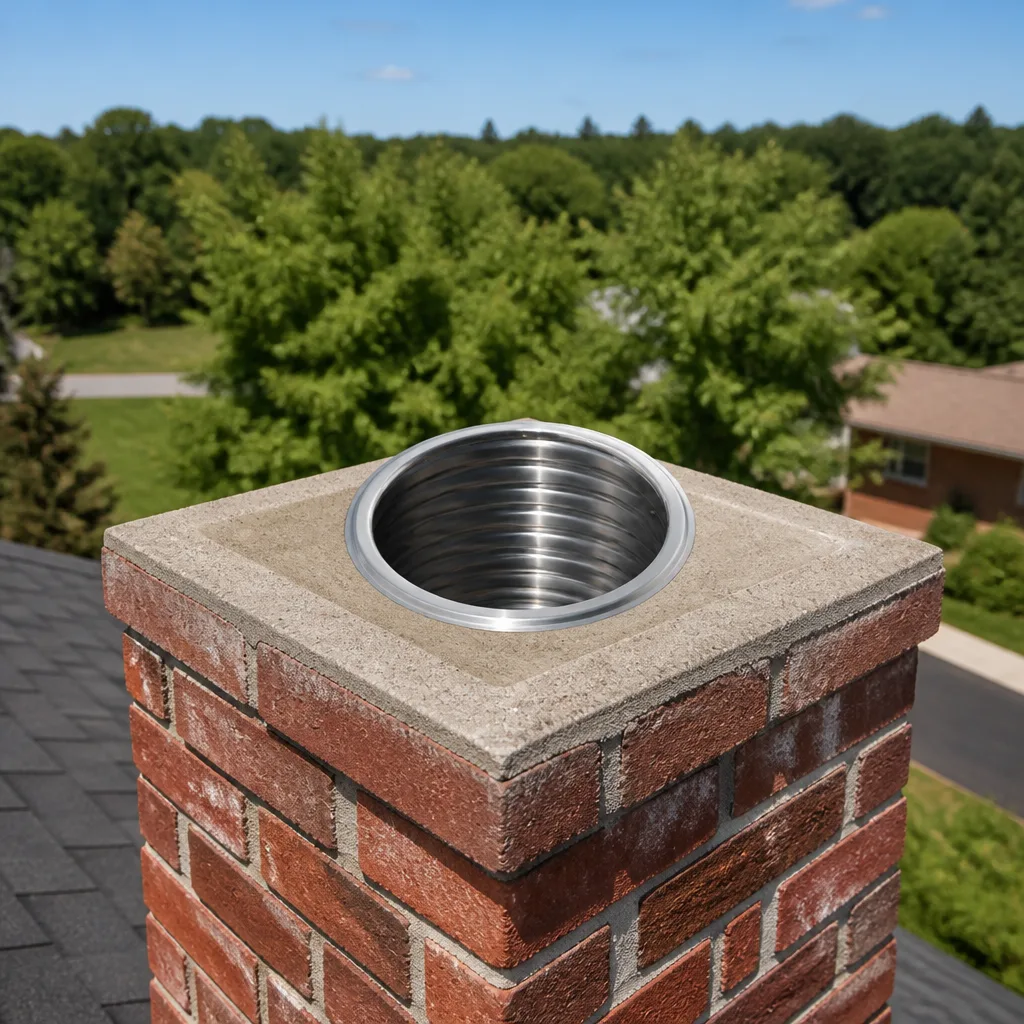 Flue relining
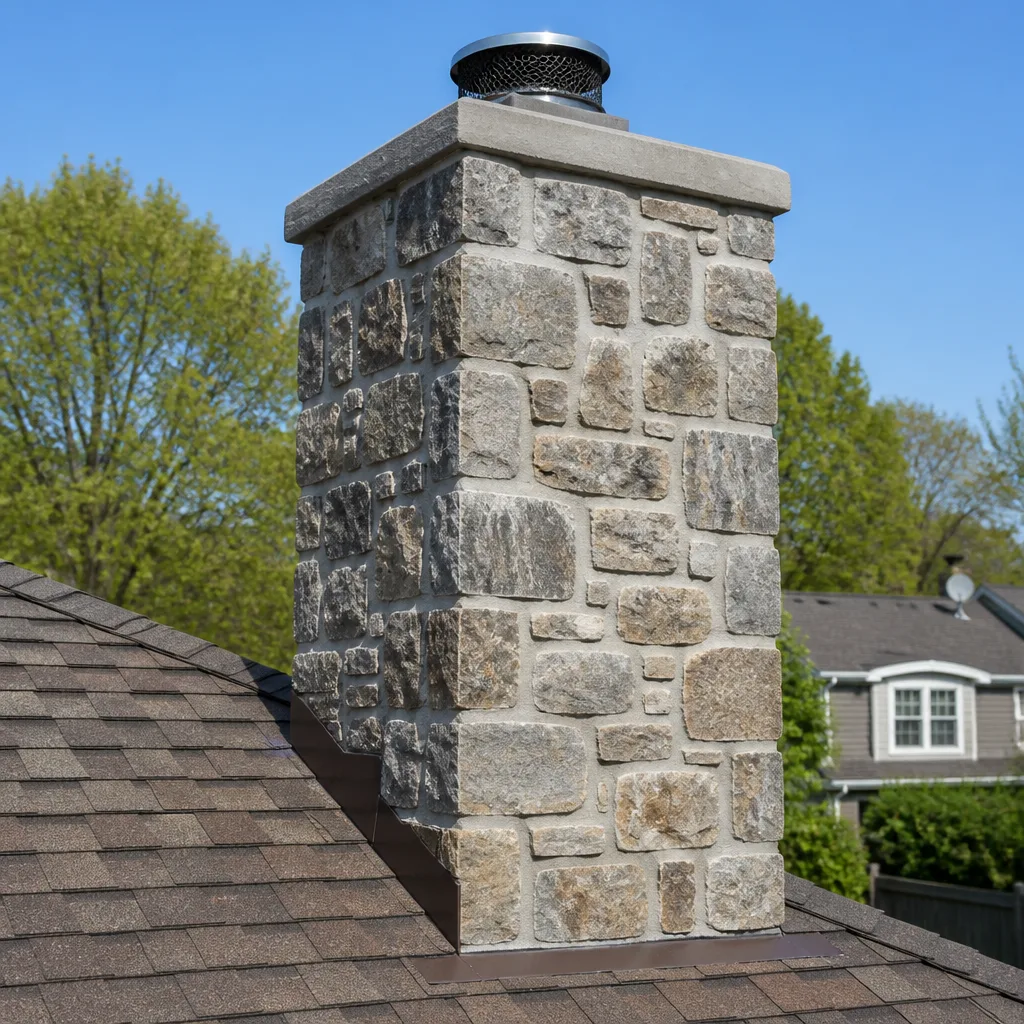 Masonry repair
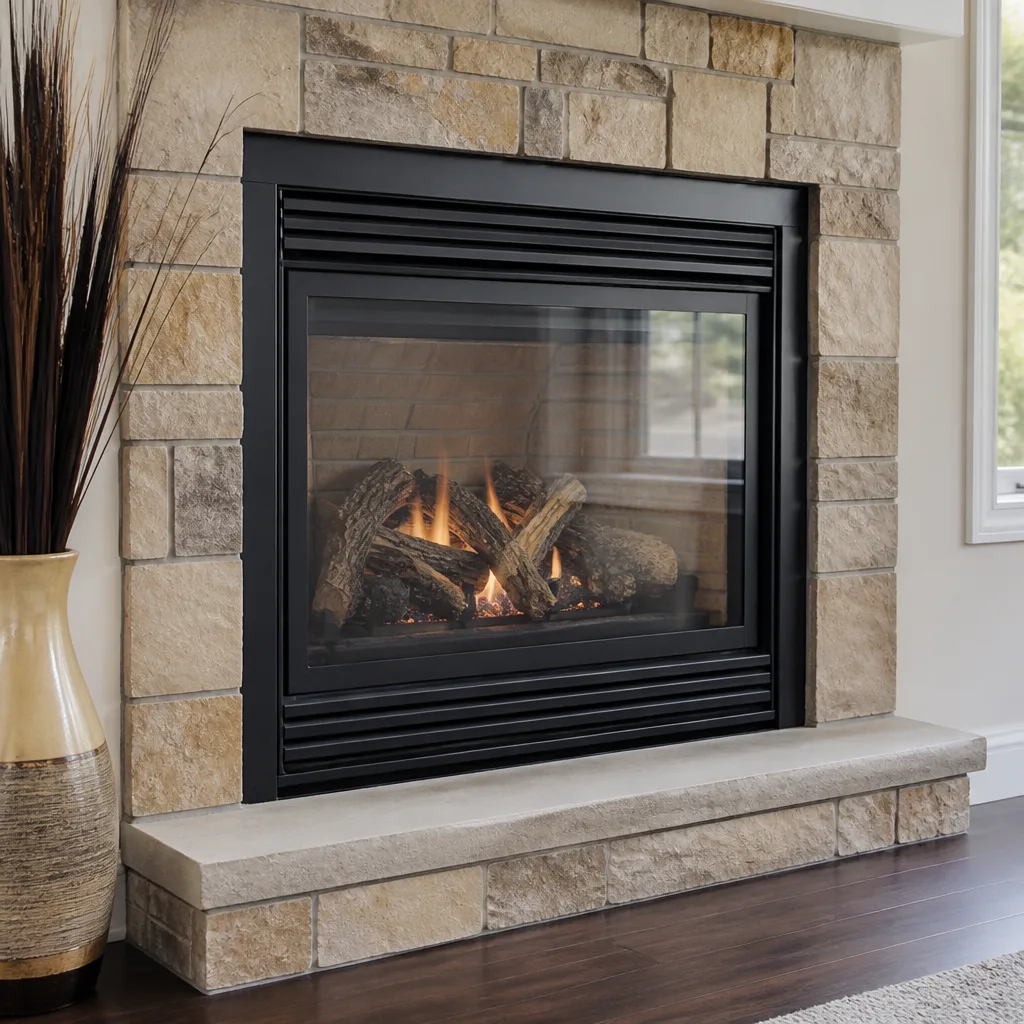 Gas fireplace service
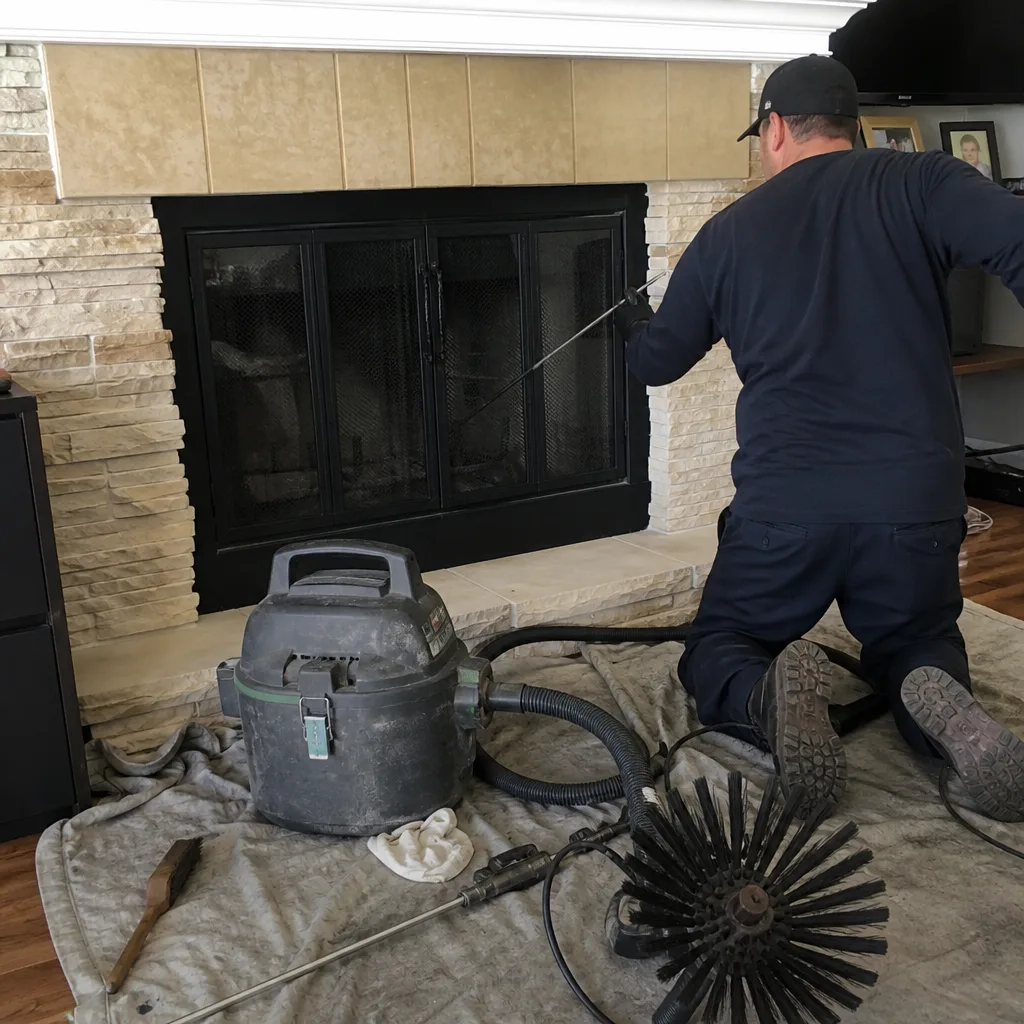
Level 1 sweep and inspection to the NFPA 211 annual standard - flue, crown, cap, and flashing checked and photographed
Chimney sweep logs do not sweep chimneys. They loosen some creosote - which then falls where a brush and vacuum still have to collect it.
Seasonal Chimney Cleaning Care for Riverside: Year-Round Homeowner’s Guide
Riverside’s summer isn’t a chimney rest period. It’s when UV exposure slowly degrades chimney caps, heat cycles stress mortar joints, and uncapped flues become nesting sites for squirrels and birds, quietly setting up problems that only announce themselves the first time you light a fire in December. Most homeowners treat the chimney as a fall-only concern, and that single assumption is behind a large share of the preventable deterioration we see across Riverside. This guide assigns a specific chimney care purpose to each of Riverside’s actual seasons, not the four seasons a national home magazine writes about, and points you to more guides & resources for ongoing maintenance. You’ll learn what your chimney needs now, what can safely wait, and what a clean, protected system looks like in every month of the year.
Styles & brands we work with
Quick Answer
Seasonal chimney care in Riverside means inspecting the cap and exterior in summer, scheduling your sweep before Santa Ana winds in early fall, starting winter fires with a slow warm-up, and doing a post-season inspection in spring before creosote bakes into a harder, more stubborn form over summer. A year-round approach costs less than reactive repairs and keeps your first cold-weather fire safe. Kindling Chimney Riverside walks every job through a written care promise: price before work starts, shoe covers and drop cloths on arrival, and a photo of the clean-up before we leave.
Table of Contents
- Summer (June – September): UV, Heat Cycles, and Wildlife
- Fall (October – November): The Pre-Santa Ana Sweep Window
- Winter (December – February): Safe First Fires and Early Burn Watch
- Spring (March – May): The Post-Season Inspection Window Most Homeowners Skip
- Year-Round Seasonal Task Summary
- Common Mistakes to Avoid
- When to Call a Professional
- Frequently Asked Questions
- The Bottom Line
Summer (June – September): UV, Heat Cycles, and Wildlife
Riverside summers regularly push past 100°F, and that heat does three specific things to an unused chimney. First, direct UV exposure breaks down the sealant and metal finish on chimney caps. A cap that looked solid in May can show hairline cracks by September. Second, the daily expansion and contraction of brick and mortar, as temperatures swing from the 60s at night to triple digits by afternoon, slowly opens micro-gaps in mortar joints. Third, an uncapped or damaged chimney is an open invitation to birds, squirrels, and raccoons looking for a protected place to nest during the hottest months.
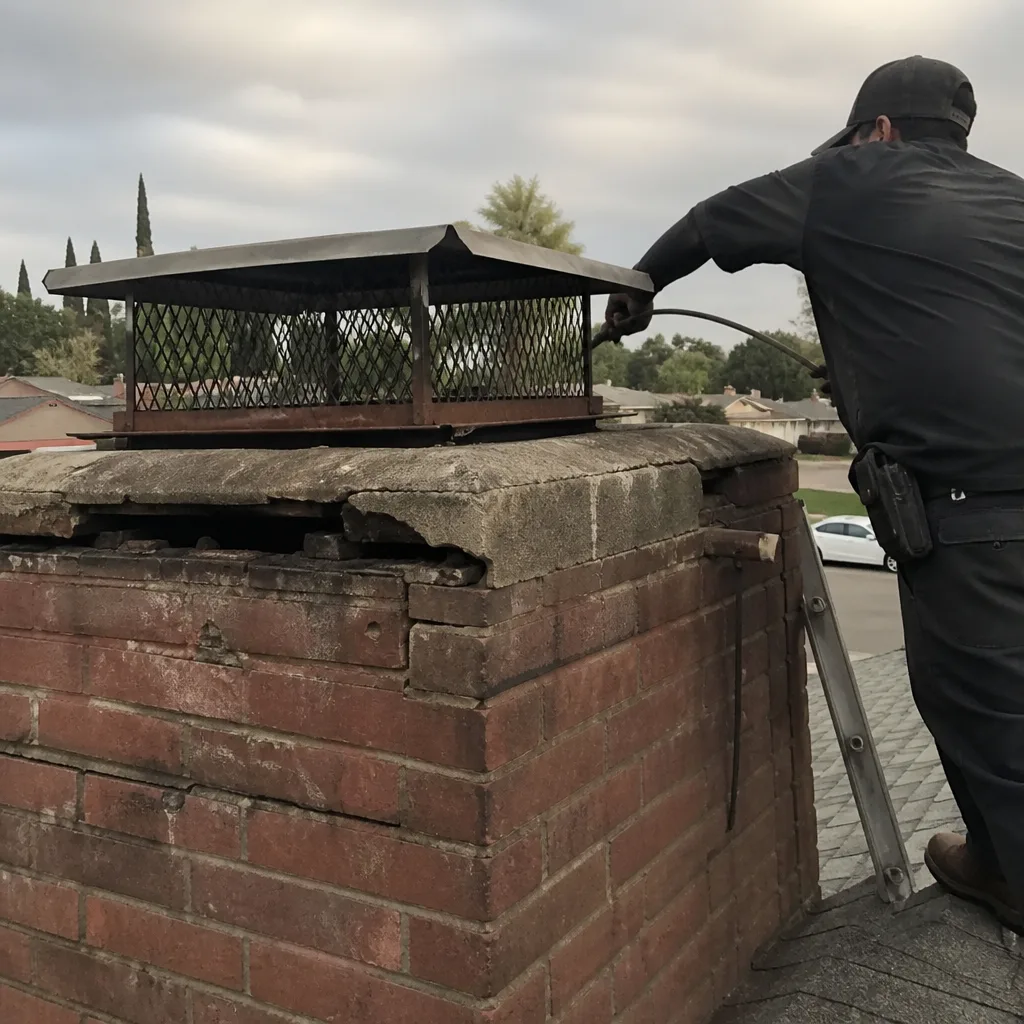
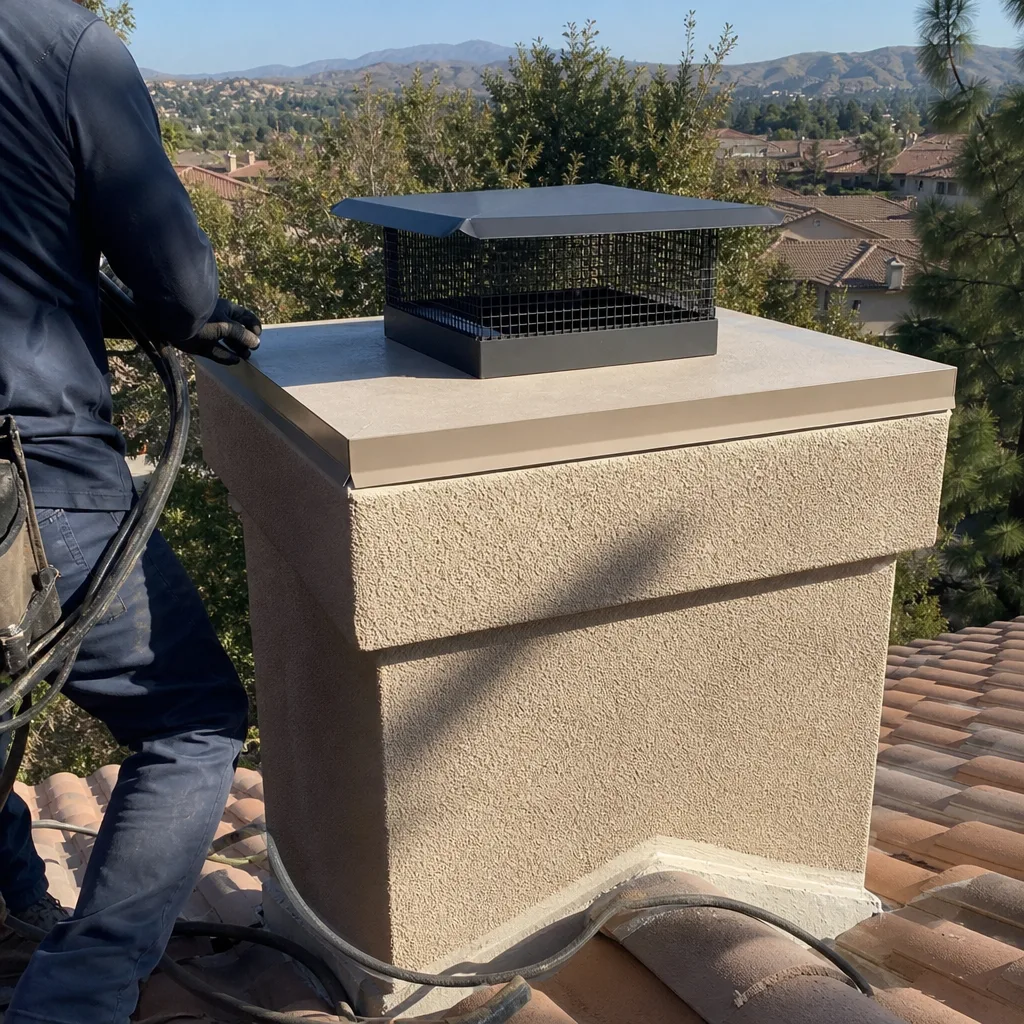
The most preventable of these is wildlife entry. A single chimney cap inspection in June or July, before nesting season peaks, catches the damage that lets animals in. In neighborhoods like Canyon Crest and Wood Streets, where mature trees sit close to rooflines, squirrels reach chimneys easily, and we regularly find nesting material, droppings, and the desiccated remains of animals that couldn’t get back out. That material doesn’t just smell. It’s a fire hazard the first time hot flue gases hit it.
Here’s what summer heat actually does inside your flue, even when the fireplace is never used:
- Residual creosote bakes. If last winter’s fires left any creosote behind, summer heat dries it into a harder, glassier stage. Spring sweeping is the difference between removing it while it’s still brushable and dealing with a hardened glaze in fall.
- Mortar joints lose elasticity. The repeated thermal cycle pushes moisture out of mortar faster than it can be reabsorbed, which is a local condition, not a generic one. Riverside’s low humidity accelerates this compared to coastal cities.
- Dampers seize. Metal dampers in unheated flues collect a film of soot and moisture, and a dry summer can leave the damper handle stiff or fully stuck by October. A quick open-close test in August catches this early.
- Chimney caps corrode faster near certain exposures. Homes on the north side of Riverside’s hills get less direct sun but more wind-driven grit. Homes with full southern exposure get more UV. Both need a visual check but for different reasons.
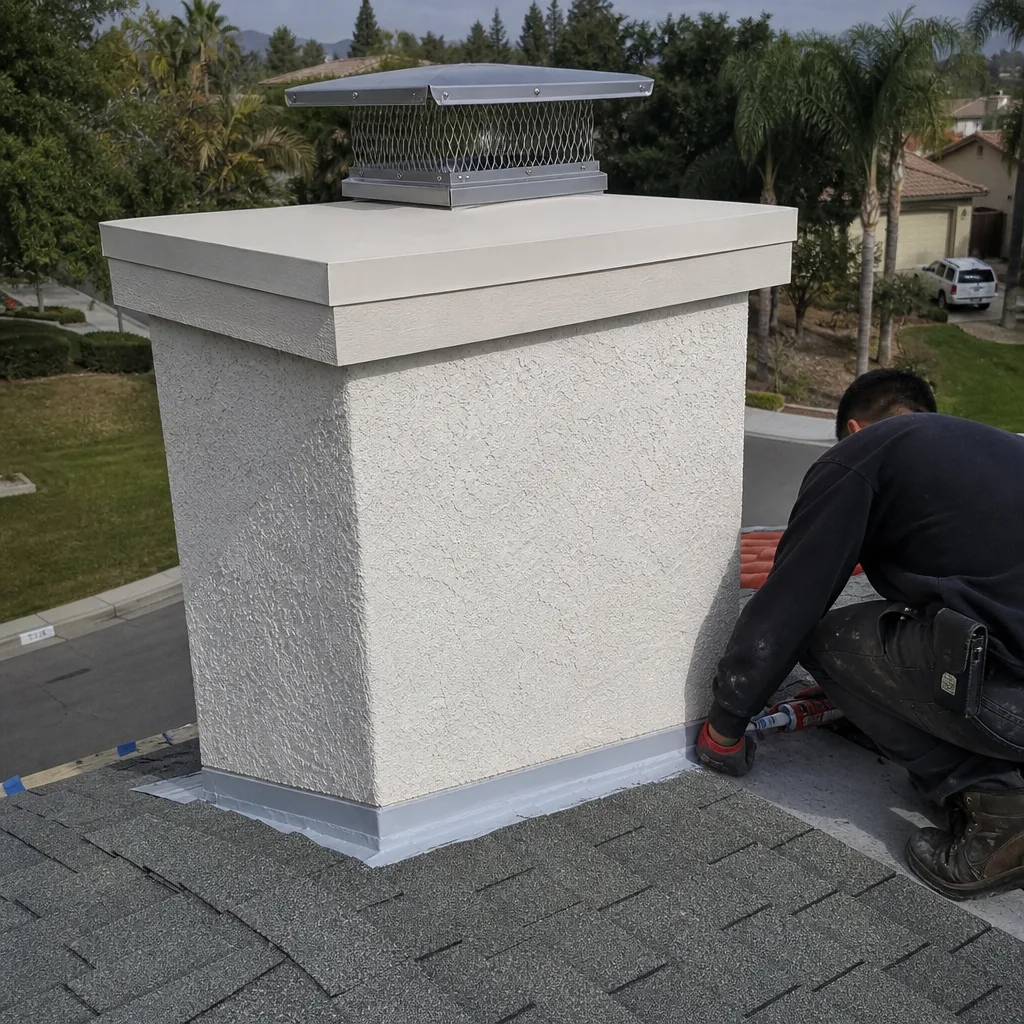
Summer is also the easiest season for an exterior-only inspection. No one wants a fall discovery that a cap needs replacement during the busiest booking weeks of the year. A Chimney Inspection in Riverside during summer covers the crown, cap, flashing, and visible mortar, and it gives you the full picture months before the cold season rush.
Fall (October – November): The Pre-Santa Ana Sweep Window
In most parts of the country, fall chimney care means scheduling before the first freeze. In Riverside, the real deadline is the start of Santa Ana wind season. Those hot, dry, gusty winds, typically picking up in October, drive fine dust, leaves, and small debris directly into uncapped or loosely capped flues. They also dry out any remaining moisture in mortar joints faster than any other time of year, which is why fall inspections here catch more cracked crowns than inspections in spring.
Scheduling your Chimney Sweep in Riverside in early October, before the winds settle in, means the flue is clean when debris starts flying. Waiting until after a heavy Santa Ana event is when we typically remove several pounds of wind-driven sediment along with normal soot and creosote. The cleaning itself doesn’t change, but the build-up does. Early fall sweeping gives you a known-clean system going into the first fire, rather than a system carrying whatever the wind pushed in.
What wind-driven debris actually looks like inside a Riverside flue:
- Fine mineral dust that settles into a layer on the smoke shelf. It looks like pale gray sand and confirms the cap is letting something through.
- Eucalyptus leaves and bark, common across Riverside’s older neighborhoods, that enter through even small gaps in the cap mesh and sit in damper recesses.
- Palm frond fibers, which drift from mature palm plantings in Arlington and Victoria neighborhoods, and can lodge against the flue liner.
- Stucco grit and roof granules from surrounding homes that get lifted by wind and dropped into the chimney stack.
Fall is also when we recommend testing the damper and checking the fireplace hearth before first use. A quick visual sweep of the firebox, ash dump, and damper track takes minutes and prevents the first-fire surprise of a stuck damper or a rusted track. Kindling Chimney Riverside includes this in every fall service call as a standard part of the visit, not an add-on.
Winter (December – February): Safe First Fires and Early Burn Watch
Riverside winters are short but real. Late December through February brings cold nights and the kind of damp mornings that make a working fireplace worth having. The first fire of the season deserves one extra step: a cold flue warm-up. This isn’t a complicated ritual. It’s the difference between shocking a cold chimney with an immediate hot fire and letting the flue adjust gradually.
The cold flue warm-up method, step by step:
- Open the damper fully and visually confirm it’s open before anything else. Put your head near the firebox and look up, or use a small mirror to check.
- Light a single page of newspaper, held up near the damper opening for a few seconds. That puff of warm air breaks the cold draft and starts moving flue air upward instead of pushing cold air down into the room.
- Burn a small, hot kindling fire for five to ten minutes. Cedar or pine kindling works well. This warms the flue walls gradually.
- Add your first small log, and wait for that to catch before adding more. Avoid loading a full firebox on the first burn.
- Watch the first three burns for any sign of smoke spilling into the room, a persistent cold-air smell after the fire dies, or a damper that’s hard to move. Each of these is an early warning, not a reason to panic.
The first few burns tell you more than the whole previous season did. A chimney that worked fine in February can develop a blocked flue, a failed cap, or a deteriorated mortar joint over summer and fall. The first fire is the test. If you notice smoke backing into the room, the flue isn’t drawing, and that’s an immediate signal to stop and call for an inspection before another fire. Kindling Chimney Riverside answers every call with a live person, day or night, no voicemail tree, and no waiting days for a callback.
Winter is also when small problems reveal themselves fastest. Here’s what early-season burning tends to surface in Riverside homes:
- A smell of damp ash or old smoke when the fireplace is cold. This suggests moisture is getting into the flue, usually through a cracked crown or failed cap seal.
- Fine soot settling on furniture near the hearth, which can indicate a turbulence or drafting issue in the flue.
- Paint or wallpaper peeling near the chimney chase, a quiet sign of interior moisture migration.
- Audible dripping inside the flue during rain, confirming a top-seal problem that needs addressing before it worsens.
If a Fireplace Repair in Riverside is needed, the winter season in Riverside actually offers a practical window: demand for chimney work is lower than fall, and scheduling is often more flexible. Catching a repair in January or February means it’s done long before the next fall rush.
Spring (March – May): The Post-Season Inspection Window Most Homeowners Skip
By early March, Riverside families are done with fires for the year. The instinct is to close the damper and forget the chimney until October. That instinct is exactly what makes spring the most underrated season for chimney care. Here’s the logic: the creosote and soot left behind by winter fires sits inside the flue all summer. Under June, July, and August heat, that residue bakes. It hardens. It becomes more chemically concentrated. The same creosote that would have brushed out easily in March requires more abrasive removal methods by September.
A post-season sweep in spring is the single most effective way to prevent hardened creosote. It also gives you a clean, inspected system that sits empty and protected through the months when you’re not using it. Riverside’s warm spring weather makes scheduling easy, and there’s no rush because the next fire is months away. It’s the cheapest, calmest inspection window of the year.
What a spring post-season inspection should include:
- Full flue sweeping to remove all creosote and soot from the winter’s burning, including the smoke shelf and damper assembly.
- Chimney cap and screen inspection to catch any winter storm or wind damage before summer wildlife season begins.
- Crown and mortar joint check for the cracks that winter moisture and spring warmth can widen.
- Damper operation test, opening and closing the damper fully to catch stiffness before it seizes over a full summer of disuse.
- Firebox and hearth inspection for cracked firebrick, loose mortar, or accumulated ash that should be removed.
The seasonal logic matters more in Riverside than in many other cities because our dry heat is a creosote-aging accelerant. A chimney swept in spring stays relatively clean. A chimney left dirty through summer gets harder to clean in fall. The choice is straightforward.
For families with children and pets, spring sweeping also matters for air quality. The warm months invite open windows, and a dirty chimney can contribute stale, smoky odors that drift through the house whenever air pressure shifts. A clean flue means a house that doesn’t carry last winter’s fires into July.
Year-Round Seasonal Task Summary
If you want a single-page reference to keep near the fireplace or post on the fridge, this is the full year, condensed. Each season has one primary job, one reason it matters in Riverside’s climate, and one early warning sign that should prompt a call.
- Summer (June – September): Inspect the chimney cap and exterior masonry for UV damage, cracks, and wildlife entry. Why it matters: Riverside heat and dry air degrade caps and mortar, and nesting animals move in fast. Watch for: Squirrel or bird activity on the roof near the chimney.
- Fall (October – November): Schedule your pre-Santa Ana sweep and damper check. Why it matters: Wind-driven debris enters uncapped flues, and the first fire should start with a known-clean system. Watch for: Wind-blown leaves and fine grit accumulating on the roof or near the chimney base.
- Winter (December – February): Use the cold flue warm-up method for the first fire, and watch for smoke backing into the room during early burns. Why it matters: A gradual warm-up protects the flue from thermal shock, and early-burn behavior reveals hidden problems. Watch for: Smoke spillage, a damp-ash smell when the fireplace is cold, or paint peeling near the chimney chase.
- Spring (March – May): Book the post-season sweep and inspection. Why it matters: Creosote left in the flue bakes into a harder, more difficult form over Riverside’s hot summer. Watch for: A lingering smoke smell in the house when windows are open.
Print this section. Laminate it if you like. It’s the entire seasonal chimney care calendar for Riverside on one card.
Common Mistakes to Avoid
- Assuming summer is the off-season. It’s the season when UV, dry heat, and wildlife do their most persistent damage. A June cap inspection prevents an October surprise. In Riverside, off-season is a myth.
- Scheduling the fall sweep for after the first fire. The first fire of the year should happen in a known-clean flue, not one carrying summer debris and last season’s creosote. By the time you light that first fire, the sweep should already be done.
- Ignoring Santa Ana wind debris. Wind-driven grit doesn’t look alarming, but it accumulates on the smoke shelf, mixes with creosote, and reduces proper draft. Riverside’s wind season is a flue-littering event.
- Closing the damper right after the last fire and never opening it again until fall. Dampers seize over long disuse. A quick open-close test each season, especially before winter, catches this before the first cold night.
- Putting off a cracked cap or crown. These small openings let in water, animals, and debris. The damage compounds every season. A cap replacement now is always cheaper than flue repair later.
- Using the fireplace as the first test of whether the chimney is safe. Fire is the most aggressive diagnostic tool you own. A visual inspection before burning season is safer, smarter, and gives you the full picture without smoke backing into the living room.
- Assuming one sweep every few years is enough. Riverside homes that burn regularly through winter produce creosote at a pace that a single fall sweep can usually stay ahead of, but only if it happens before every burning season. Skipping a year is when baked-on deposits start appearing.
When to Call a Professional
Call a chimney professional if you see smoke backing into the room during a fire, if you smell damp ash or smoky odors when the fireplace is cold, if you notice visible cracks in the chimney crown or cap, if you’ve had animals in or near the chimney, or if it’s been more than a year since the last sweep. Each of these is a condition that gets worse with time, not better. Kindling Chimney Riverside offers free estimates in Riverside. Call (831) 218-8547, and a person answers, 24 hours a day, 7 days a week.
Frequently Asked Questions
A standard chimney sweep in Riverside typically runs between $179 and $349, depending on the chimney’s size, accessibility, and how much creosote has built up; see our Chimney Cleaning Cost Breakdown: The Riverside Homeowner’s Reference for 2026 for full pricing details. Add-ons like cap replacement, crown repair, or a Level 2 inspection run higher, but you’ll always get a written price from Kindling Chimney Riverside before any work starts, with no on-the-spot pressure. Call (831) 218-8547 for an exact quote; estimates are free.
You should sweep your chimney at least once per burning season, which for most Riverside homes means one fall sweep before the first fire. Homes that burn daily through winter, use soft woods, or have seen animal activity may need a second sweep mid-season. A spring post-season sweep keeps creosote from hardening over summer, and it’s the schedule we recommend for most families in Riverside.
Maybe not, and you shouldn’t take that recommendation without seeing the evidence. Ask for a camera inspection of the flue, and ask to see the images. A deteriorated liner shows cracks, spalling, or separation between tiles, and a direct visual is the standard for making that call. If you’re uncertain, get a second opinion. Kindling Chimney Riverside shows you the camera footage before recommending any liner work, and we’ll say plainly when the existing liner can safely wait. Call (831) 218-8547 for a straight answer.
The concrete risk is creosote accumulation, which is flammable and builds fastest in flues that burn regularly with moderate or low heat. Skipping a sweep means more creosote on the flue walls, a reduced draft, and a higher chance of a chimney fire that damages the liner and requires expensive repairs. Skipping for several years creates hardened, glazed deposits that are harder and more expensive to remove. The cost of a sweep is the cheapest part of chimney ownership, and it interrupts the chain of accumulation early. Call (831) 218-8547 to schedule.
Yes, because summer is when the damage that fall fires reveal actually happens. UV degrades caps, heat cycles stress mortar, and animals nest in uncapped flues, all during the months the fireplace sits idle. A summer inspection costs little, takes minutes, and prevents the specific problems that show up as unpleasant surprises in December. Kindling Chimney Riverside offers free estimates in Riverside, and a live person answers every call.
A sweep removes the flammable debris from the flue. An inspection evaluates the condition of the entire chimney system: cap, crown, liner, mortar, damper, and firebox. At Kindling Chimney Riverside, every visit includes both a sweep and a visual inspection, because cleaning a damaged chimney without reporting the damage does you no real service, and we follow all Chimney Cleaning Permits, Codes & Inspections in CA: What You Need to Know. We use professional-grade materials from brands like Gelco and Olympia Chimney when repairs are needed, and every recommendation comes with photo evidence.
The Bottom Line
Riverside’s year-round climate means chimney care isn’t a chore for October alone. Summer is for cap and wildlife checks. Fall is for the pre-Santa Ana sweep. Winter is for safe first fires and attentive early burns. Spring is for the post-season cleanup that prevents hardened creosote. Each season has a single, specific job, and doing that job on time costs far less than the repairs that follow when it’s skipped. Kindling Chimney Riverside backs every visit with the 365-Day Done Right Promise and the Cedarwell Care Promise: a written price before work starts, shoe covers and drop cloths down on arrival, pet-safe products where there’s a choice, and a photo of the clean-up before we leave. Call (831) 218-8547 to schedule your next visit, and a person answers, 24/7.
Written by Danny Cortes, Owner at Kindling Chimney Riverside, serving Riverside since 2003.
See the difference
 Before
 After
After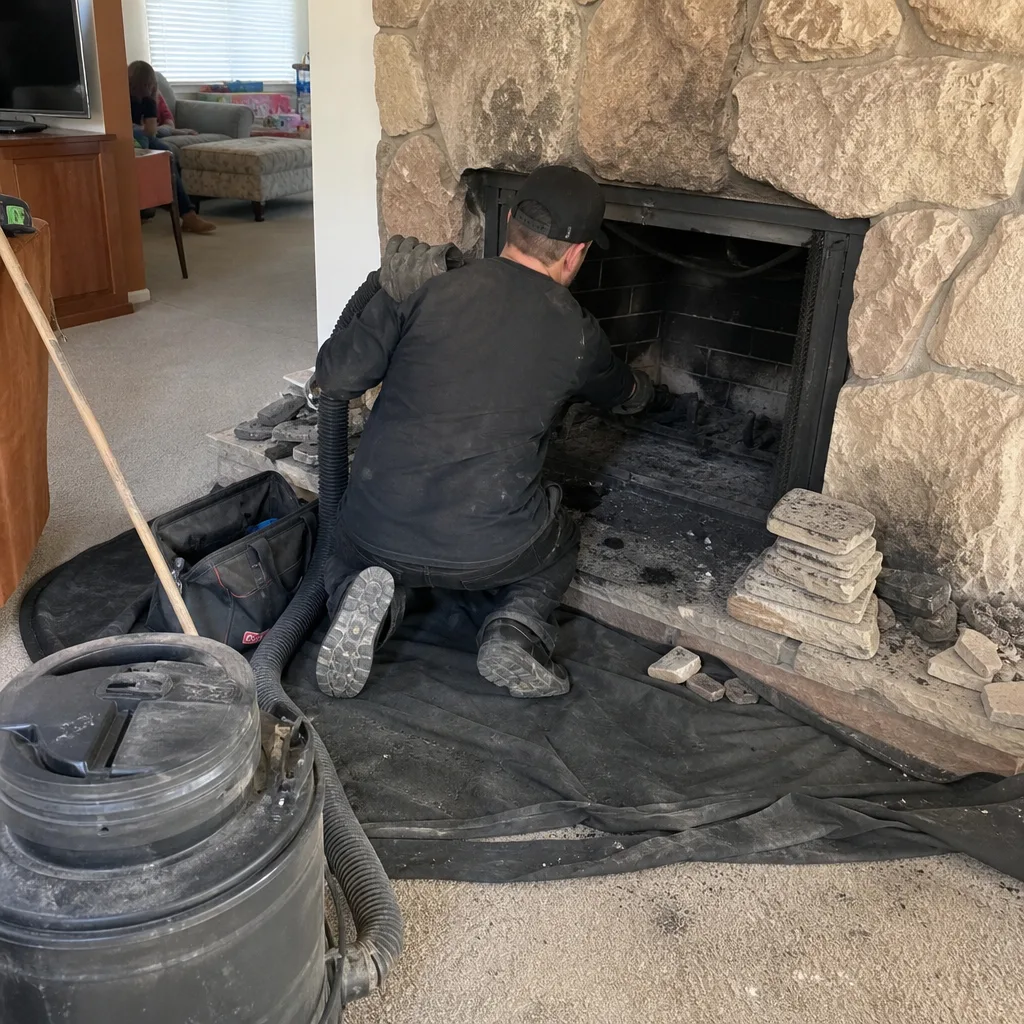 Before
 After
After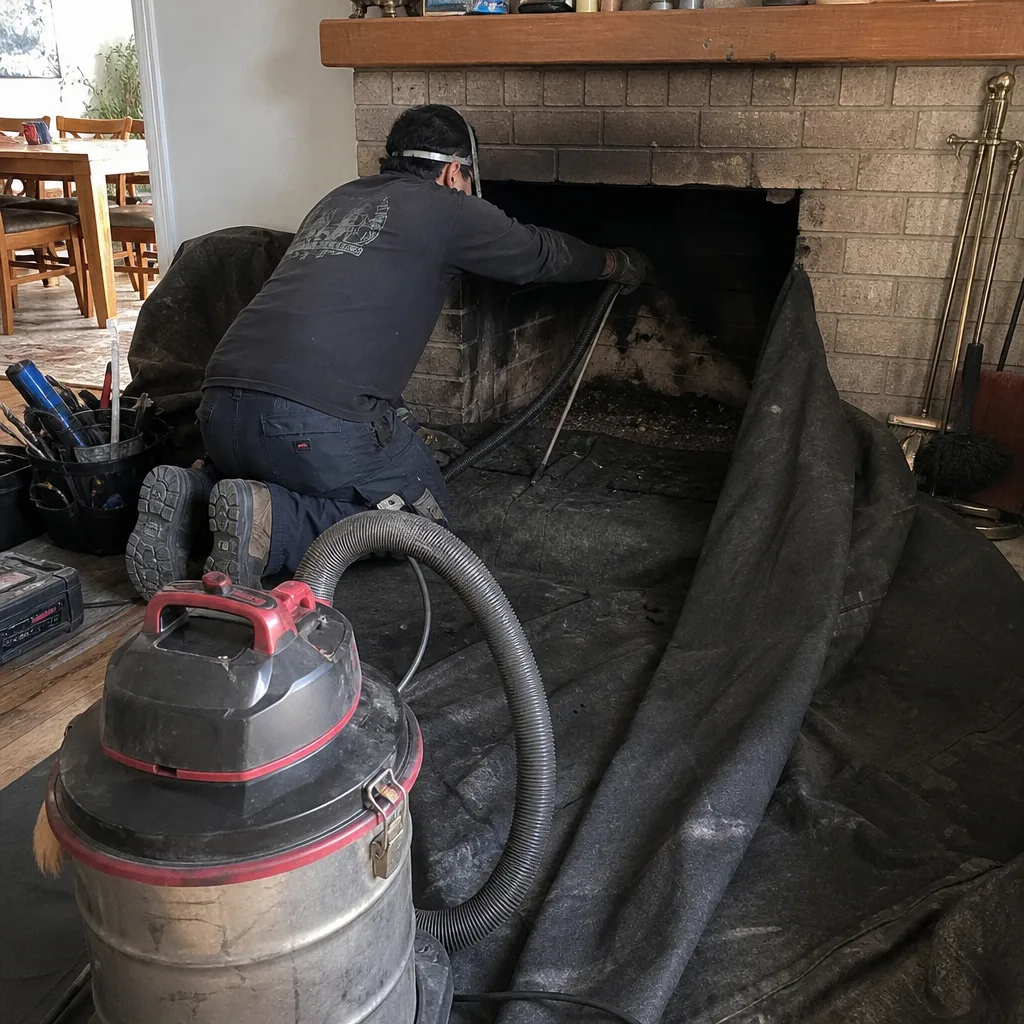 Before
 After
After