
Last updated October 15, 2026
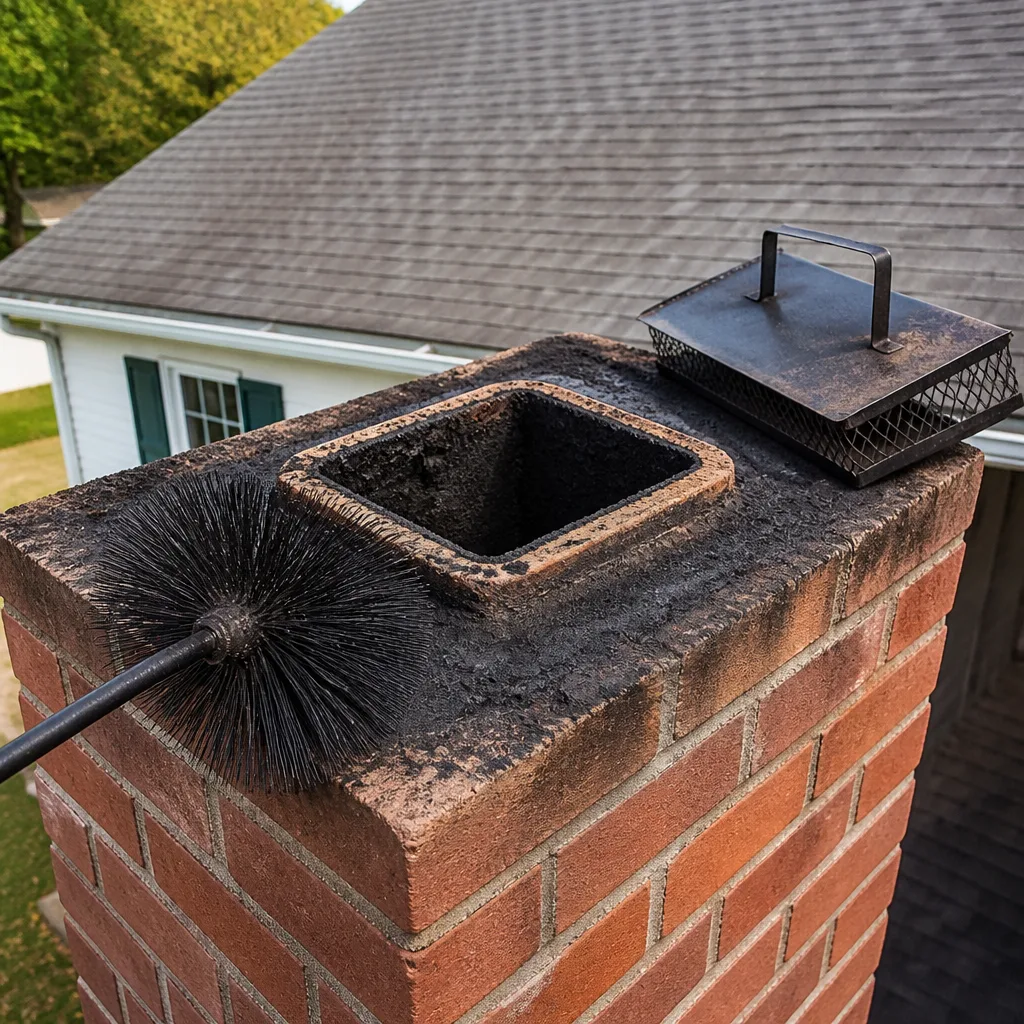 Sweep & inspection
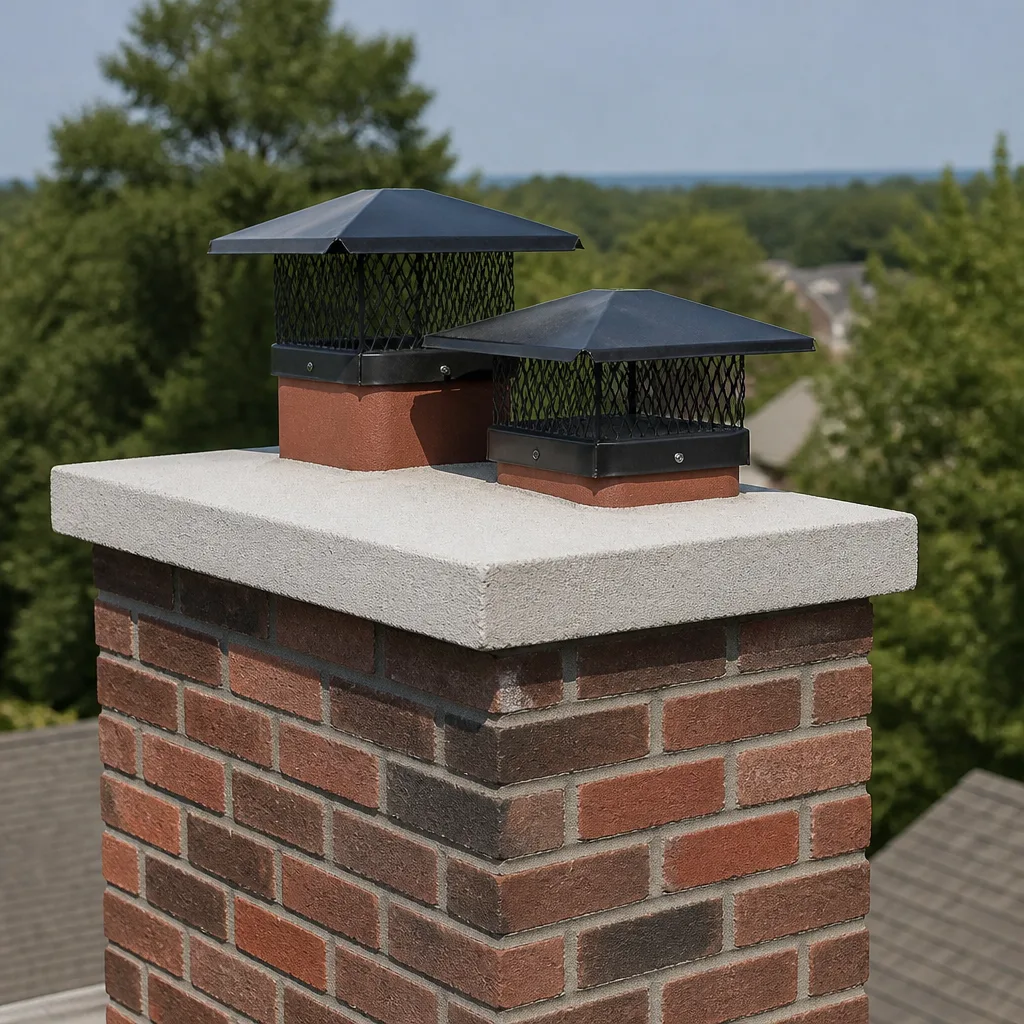 Caps & crowns
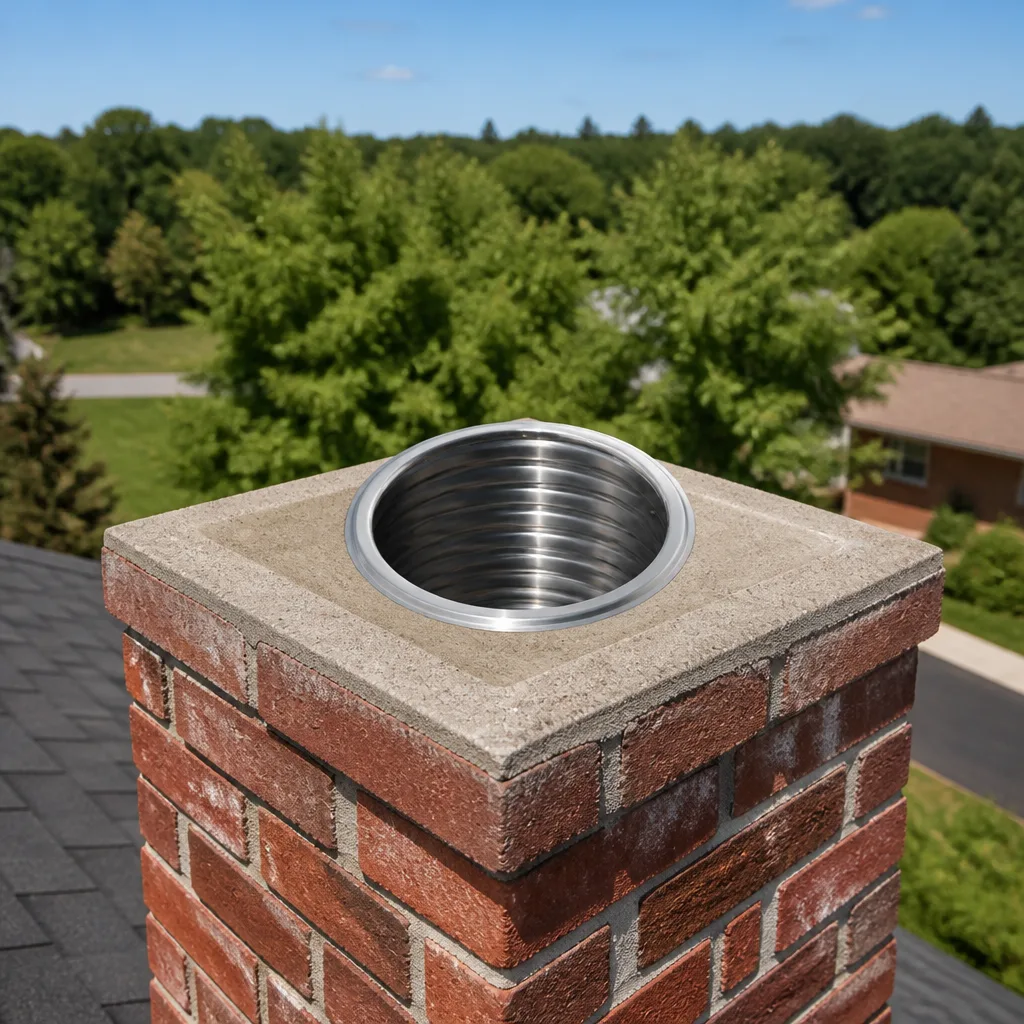 Flue relining
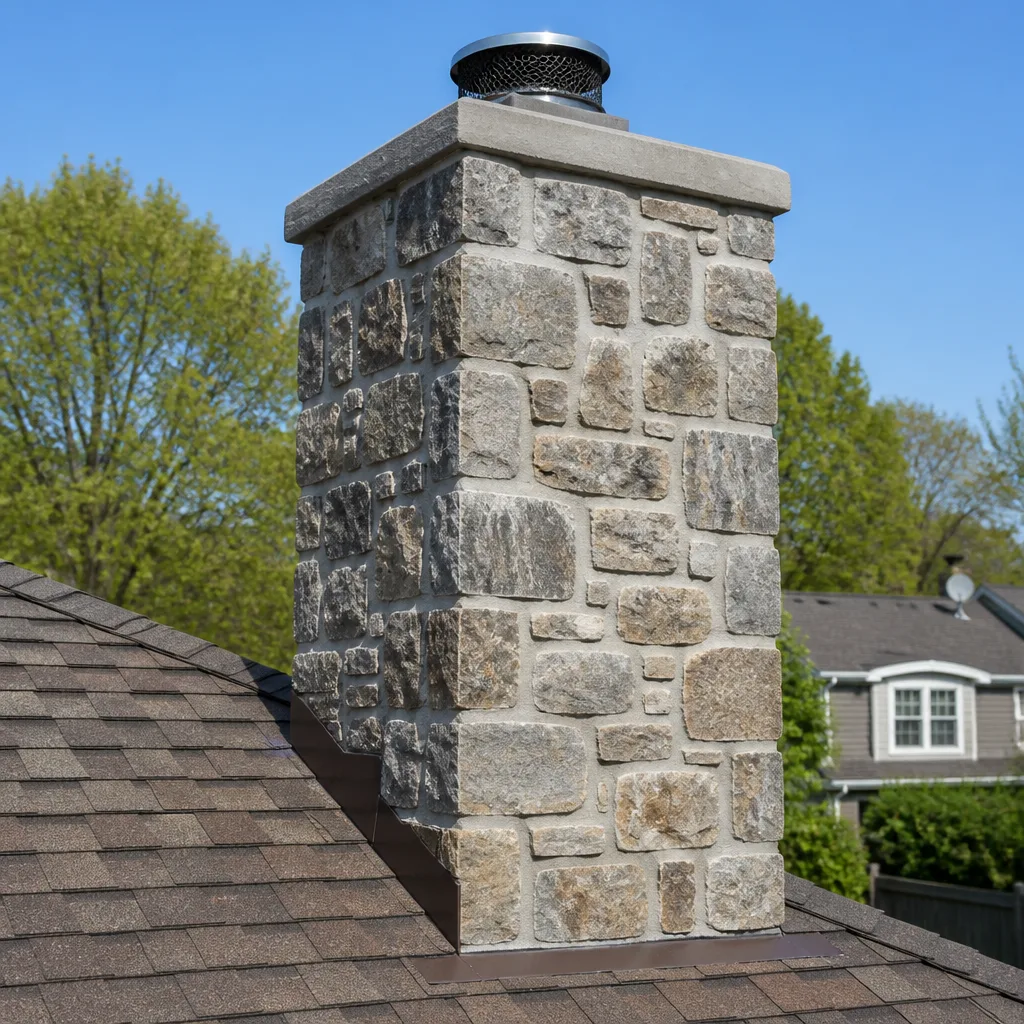 Masonry repair
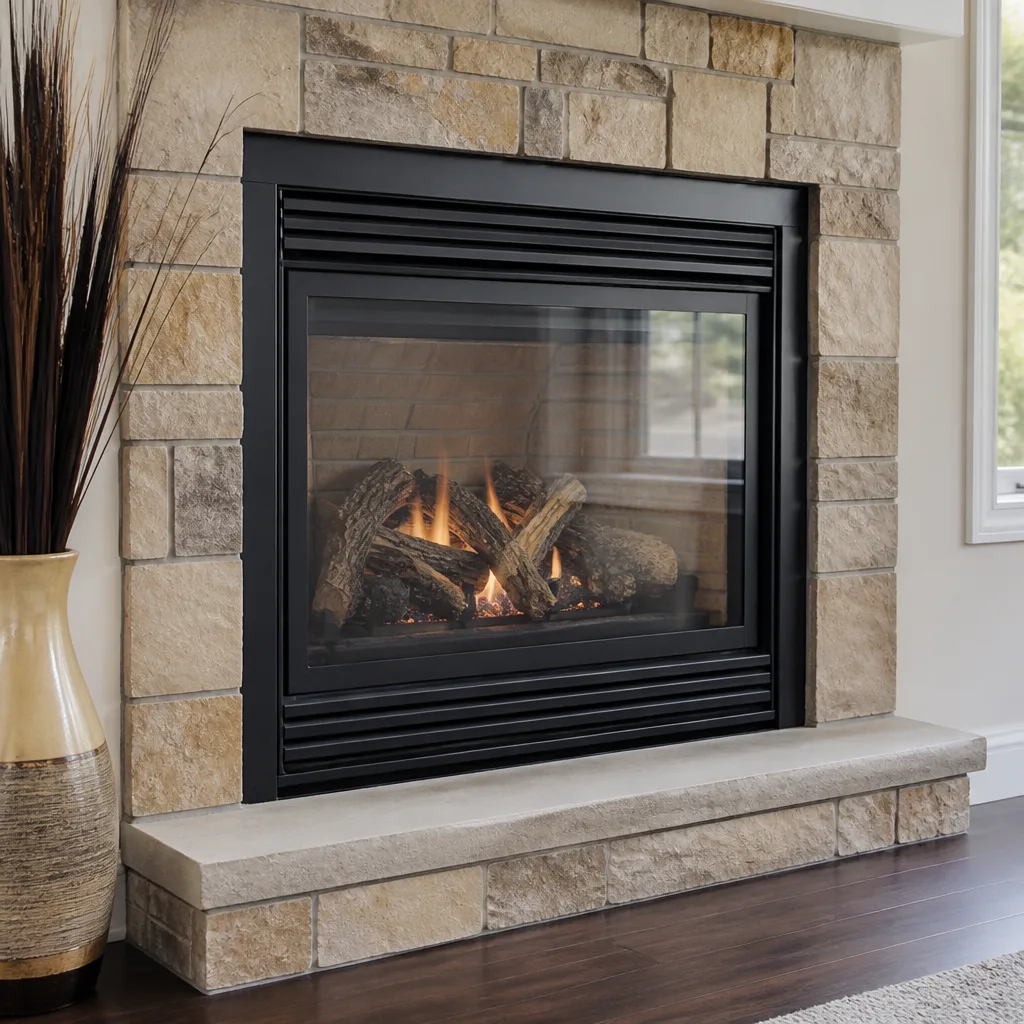 Gas fireplace service
Level 1 sweep and inspection to the NFPA 211 annual standard - flue, crown, cap, and flashing checked and photographed
Chimney sweep logs do not sweep chimneys. They loosen some creosote - which then falls where a brush and vacuum still have to collect it.
How to Hire a Chimney Cleaning Contractor in Riverside: A Step-by-Step Guide
California does not require chimney sweeps to hold a state license. That single sentence changes everything about how Riverside families should approach hiring. It means the credential check, the written estimate request, and the clean-up clause conversation are entirely the homeowner’s responsibility. This guide gives you the exact language to use before anyone climbs on your roof, plus the red flags that separate a careful technician from a risky one. For more guides & resources on keeping your home safe, explore our blog. You’ll learn what to ask, what to verify independently, and how to compare quotes so the contractor you hire treats your Riverside home the way you do.
Quick Answer
To hire a chimney cleaning contractor in Riverside, verify three credentials before booking: CSIA certification, liability insurance, and proof of workers’ compensation. Then require a written scope of work with line-item pricing and explicit clean-up terms before approving any job. Finally, compare at least two written estimates side by side and choose the contractor who answers the guarantee question directly. Most standard chimney sweeps in Riverside run between $189 and $350, though the full Chimney Cleaning Cost Breakdown: The Riverside Homeowner’s Reference for 2026 explains what drives pricing differences. Any price quoted without an in-person inspection should be treated as a red flag.
Styles & brands we work with
Table of Contents
- Why California’s Lack of Chimney Licensing Doesn’t Protect You
- The Three Credential Questions to Ask Before Booking
- How to Verify Credentials Independently (Before the Crew Arrives)
- What a Written Scope of Work Must Include in Riverside
- How to Compare Two Written Estimates Side by Side
- Red Flags Specific to Chimney Contractors in Riverside
- The One Question That Reveals a Contractor’s Confidence
- How the Actual Service Visit Should Work
Why California’s Lack of Chimney Licensing Doesn’t Protect You
California has no state-level chimney sweep license. There’s no chimney-specific board, no state exam, no mandatory continuing education requirement for someone who calls themselves a chimney sweep. The California Contractors State License Board (CSLB) does not issue a “chimney sweep” classification. This stands in contrast to states like Massachusetts, which requires specific hoisting and chimney work certifications, or Oregon, which regulates chimney contracting through its Construction Contractors Board.
What does this mean for you in Riverside? It means the person who knocks on your door after a Santa Ana wind event may have no formal training, no insurance, and no accountability structure behind them. They may be a legitimate, skilled technician. Or they may be someone who bought a brush and printed business cards last week. You cannot tell from the truck, the uniform, or the friendly smile. The hiring conversation itself must become your safety net.
The third-party certification that matters is CSIA, the Chimney Safety Institute of America. CSIA certification is voluntary. A sweep who holds it has chosen to pass a written exam, document their experience, and agree to a code of ethics. That choice signals a level of seriousness that an uncredentialed competitor hasn’t demonstrated. In our experience across Riverside, from the older wood-burning fireplaces in the Wood Streets to the prefab units in Orangecrest and Mission Grove, the difference between a CSIA-certified technician and one without credentials shows up most clearly when something unexpected appears during the inspection. Certified sweeps describe what they see and offer options. Uncredentialed contractors tend to describe what they’d like to sell.
Riverside’s climate adds a specific layer to this. Dry summers, Santa Ana winds in fall and winter, and a real but episodic burning season mean many local chimneys sit dormant for months, then get pushed into service on the first cold night in November. Creosote built up over two years of occasional use is different from creosote built up over one heavy season. It’s harder, sometimes glazed, and more resistant to a standard brush. A CSIA-certified sweep understands this distinction. Someone working without certification may not recognize it at all.
The Three Credential Questions to Ask Before Booking
These three questions are the hiring gate. Ask them on the phone before you schedule anything. A contractor who can answer all three without hesitation has cleared the first real hurdle. One who stalls, deflects, or offers vaguely reassuring language has told you something important about how the rest of the relationship will go.
- “What is your CSIA certification number?” Write it down. You’ll verify it before the crew arrives. If they don’t have CSIA certification, ask what other third-party credential they hold and how you can verify it. A blank stare here is a full stop.
- “Can you email me a certificate of liability insurance with my name on it?” The “with my name on it” part matters. Any legitimate contractor can ask their insurance carrier to issue a certificate listing you as the certificate holder. This proves the policy is active and names you as a party to be notified if it lapses. A contractor who says “we’re fully insured, don’t worry” without producing the paper is asking you to take it on faith. Don’t.
- “Can you provide proof of workers’ compensation coverage?” If a worker falls off your roof and the contractor doesn’t carry workers’ comp, your homeowner’s insurance may be the next call. In California, workers’ comp is required for any business with employees, but “required” and “carried” are different things. Ask for the carrier name and policy number.
You are not being difficult by asking these questions. You are doing the job California’s regulatory structure has declined to do. A contractor who respects your home will respect the questions. One who acts offended was never going to be the right fit.
How to Verify Credentials Independently (Before the Crew Arrives)
“Trust but verify” applies to chimney contractors more than almost any other home service. The good news is that independent verification takes about ten minutes, and you can do all of it from your kitchen table.
CSIA verification: The Chimney Safety Institute of America maintains a searchable database on their website. Go to csia.org, open the “Find a Certified Sweep” tool, and enter the certification number or the technician’s name. This confirms the certification is current and belongs to the person who will actually be doing the work. A certification that belongs to the company but not the technician on-site is a common gap. Ask for the technician’s name before the visit and run that name through the database.
Insurance verification: The certificate of liability insurance you requested should list the carrier, the policy number, and the coverage limits. Call the carrier, not the contractor, and confirm the policy is active. General liability coverage for chimney work in the Riverside market typically carries limits of $1 million per occurrence and $2 million aggregate. Your own homeowner’s insurance may have specific requirements about contractor coverage, so a quick call to your agent is time well spent.
Workers’ comp verification: The California Workers’ Compensation Insurance Rating Bureau (WCIRB) allows you to verify coverage through their online tool using the carrier name and policy number from the contractor’s certificate. This is the same database employers use. It takes two minutes and eliminates any ambiguity.
Business history: This is the unglamorous but revealing step. Search the Riverside County court records for any open lawsuits or liens involving the contractor. Check the Better Business Bureau profile. Look for a physical business address in Riverside or a nearby city, not just a P.O. box. Look at how long they’ve been operating under their current name. All of this shapes a picture of whether you’re dealing with an established local business or a shifting operation.
What a Written Scope of Work Must Include in Riverside
In our experience, most disputes between Riverside homeowners and chimney contractors trace back to one missing document: a written scope of work. A verbal quote is not a scope. A text message with a price is not a scope. A scope of work is a written description of exactly what will be done, exactly what it will cost, and exactly what will happen if something unexpected turns up mid-job. Before you approve any chimney work, insist on all of the following:
- Line-item pricing. Every service should be listed separately: chimney sweep, chimney inspection, camera inspection, cap replacement, flashing repair, crown repair. If the contractor quotes a single bundled number with no breakdown, ask them to itemize it. Contractors who resist this usually have a reason.
- Drop cloth and clean-up terms. The scope should state explicitly how the crew will protect your floors and furniture, and what clean-up will look like when they leave. If your home has carpeted living areas around the fireplace (common in the older homes in Riverside’s Magnolia Center and the Canyon Crest area), this is not a minor detail. It’s a floor protection promise you want in writing.
- What happens if additional damage is found mid-job. This is the clause that separates honest contractors from pressure-driven ones. The scope should say something like: “If additional damage or deterioration is discovered during the inspection, work will stop and the technician will provide photos and a written recommendation with pricing before any further work proceeds.” Without this sentence, “additional damage” becomes a blank check written against your checking account after the crew has already set up in your living room.
- The exact tools and methods. A legitimate scope specifies whether the sweep will use a rotary brush system or a manual brush, whether the inspection is a Level 1 or Level 2 inspection, and whether a camera is used inside the flue. In Riverside, where many mid-century homes have clay tile liners that crack over time, a camera inspection is not an upsell. It’s the only way to actually see what’s happening inside the flue. Require it in the scope.
- Start and completion dates. A real contractor can tell you when the work will start and when it will be done. Chimney work in Riverside is seasonal, but the fall rush is not an excuse for vagueness. Get the date range in writing.
- Warranty language. Any repair work, whether it’s a crown seal or a chimney cap replacement, should include written warranty terms. What’s covered, for how long, and what’s excluded. “We stand behind our work” is not a warranty. “All repair work is covered by a one-year written warranty against defects in materials and workmanship” is.
This is also the moment to ask about the specific materials. If the scope includes a chimney cap or a top-sealing damper, ask what brand. Contractors who use professional brands like Copperfield for caps or Olympia Chimney for dampers have chosen components that carry their own manufacturer warranties. Contractors who install “whatever we can get cheap” have made a different choice, and you’ll feel it in three to five years when the cheap cap rusts through and needs replacing again.
How to Compare Two Written Estimates Side by Side
Two written estimates in front of you, side by side, rarely look the same. That’s expected. Your job is to figure out which differences are legitimate and which signal a bait-and-switch. Here’s what a careful comparison actually involves.
First, check that both scopes describe the same work. If one estimate includes a Level 1 inspection with a sweep and the other includes a Level 2 inspection with a camera, they’re not comparable. The Level 2 estimate will be higher for a legitimate reason. Call each contractor and ask them to quote the same scope. If they won’t, that’s information.
Second, look for line items that appear on one estimate but not the other. A missing line item doesn’t mean it’ll be free. It means it’ll either be skipped or billed as a change order later. Common omissions: flue liner inspection, smoke chamber inspection, cap inspection, and the drop cloth/setup fee. A contractor who omitted the flue liner inspection isn’t necessarily dishonest, but they’re not serving you well, because in Riverside’s older homes with original clay liners, that’s often where the real problems live.
Third, look for line items on one estimate that seem to exist only to inflate. A “creosote removal” line item added on top of a “chimney sweep” line item is double billing. A chimney sweep removes creosote. That’s what the sweep is. Unless the flue has Stage 3 glazed creosote requiring chemical treatment or mechanical removal beyond standard brushing (which actually does cost more), that extra line item is padding.
Fourth, compare the repair recommendations. If one estimate says “liner has minor cracks, monitor annually” and the other says “liner compromised, full replacement required at $7,500,” stop and ask both for photo documentation. In our experience, a camera image of a cracked liner tells the story immediately. A contractor who recommends $7,500 of liner work but can’t show you the camera footage is not giving you an inspection. They’re giving you a sales presentation. In Riverside specifically, creosote build-up from the primary burning season (November through March) can be significant in homes that used the fireplace heavily, but significant creosote and a failed liner are different problems with different price tags.
Fifth, compare the warranty and guarantee terms. A contractor’s written warranty is a written confession of how much they trust their own work. “No written warranty provided” means the entire repair risk sits on your shoulders. A clear, named warranty with real terms means they expect the work to hold up. The specifics matter. “Six months on repairs” and “five years on the liner and crown, one year on everything else” tell very different stories about the same project.
Red Flags Specific to Chimney Contractors in Riverside
Every industry has its warning signs, and chimney work has a few that are particularly common in the Inland Empire. None of these guarantee a bad contractor, but all of them should raise the bar for what you require before signing anything.
- Door-to-door solicitation after wind events. Santa Ana winds knock caps loose, dislodge chase covers, and send debris into chimneys all over Riverside. Legitimate chimney contractors are usually too busy with existing clients to canvas neighborhoods knocking on doors. The person who shows up unsolicited after a wind event may or may not know anything about chimneys, but either way, the business model is built on event-driven urgency. That’s not a trust-building foundation.
- Prices quoted without an in-person inspection. “We charge $149 flat rate for any chimney sweep.” Fine, that part can be flat. But “we’ll inspect it and let you know what it needs” can’t be quoted from a phone call. A contractor who provides a full repair quote without ever setting foot in your Riverside home is guessing. Guessing is fine for games, not for the structural opening in your roof.
- Vague “full service” language with no itemization. “We provide full chimney service, top to bottom, guaranteed.” What exactly will they do? Will they sweep it? Inspect the liner? Check the crown? The flashing? The smoke chamber? “Full service” means whatever the technician decides it means on the day. In a hiring conversation, vague language from the person asking for your business is always a signal to ask another question.
- Pressure to decide on the spot. “I have my equipment with me, I can do it right now for $200 off.” Chimney repairs are not perishable. Your chimney will still be dirty tomorrow. A contractor who builds a discount around your inability to compare estimates is not competing on quality. They’re competing on your discomfort.
- No verifiable Riverside presence. An out-of-area phone number, no local address, and a website that could be from anywhere. Contractors who don’t live and work in the Inland Empire are less accountable to its local market. They can leave a mess in your living room and disappear into a different county. Local accountability is one of the strongest consumer protections that doesn’t require a license.
- The “your chimney is about to catch fire” pitch. A legitimate contractor will tell you the actual condition of your chimney. Some are dangerous. Some simply need a sweep. Some can wait. A technician who jumps straight to worst-case language without first showing you photographic evidence of the problem is not diagnosing. They’re selling fear. In our experience, most Riverside chimneys that get regular seasonal use just need a proper sweep and a close look at the liner. The ones that genuinely need major work usually show it clearly on camera.
- Refusal to provide the scope in writing. This is the big one. If a contractor won’t put their quote in writing with line items and clean-up terms, no other credential matters. Walk away. In California’s unlicensed chimney market, the written scope is the only real contract you have.
The One Question That Reveals a Contractor’s Confidence
Ask this question before you book: “Do you offer a written guarantee, and what exactly does it cover?” That’s it. The answer tells you more than any credential check.
Some contractors will say yes, then describe the terms. That’s the right answer. Others will say something like “we always make sure our customers are happy.” That is not a guarantee. That’s a sentiment. A guarantee has terms, an expiration, and a description of what’s included and excluded. If the answer is vague, press for the specifics: What’s covered? For how long? What happens if the repair fails? Who pays for the re-visit?
Here’s a specific example of how this plays out. At Kindling Chimney Riverside, every job is backed by the 365-Day Done Right Promise. That means if the work isn’t done right, we make it right within the coverage window. No fine print, no runaround, no re-inspection fee. The promise is in writing before the job starts, along with the line-item price and the clean-up terms. This is the standard you should expect from any contractor you hire. If a company can’t articulate their guarantee in plain language, they’re revealing what their confidence actually is.
The guarantee question also does something subtle. It signals to the contractor that you’re the kind of client who reads documents and expects accountability. That’s not a bad thing. It means they’ll prepare for your job more carefully, document their findings more thoroughly, and treat your home with the respect the relationship implies.
How the Actual Service Visit Should Work
Once you’ve hired the contractor, the visit itself should follow a predictable rhythm. Here’s what a well-run chimney cleaning in Riverside looks like, and what you should expect from start to finish.
Before the crew arrives: You’ve already verified insurance, CSIA certification, and workers’ comp. You have a written scope with line-item pricing. The technician’s name has been confirmed. All of that is done.
On arrival: The crew introduces themselves. They’re in uniform. They lay drop cloths down around the fireplace before setting up any equipment. In homes with carpet or rugs near the hearth (common in older Riverside neighborhoods like the Wood Streets, where the original hardwood has often been covered), this step protects against soot embedded in fibers that would require professional cleaning to remove. The techs also put on shoe covers before walking through the house. These are not optional courtesies. They’re the difference between a clean job and a lingering reminder of the visit.
Setup and protection: Furniture near the fireplace gets covered or moved. If you have kids or pets, the crew should be mindful of noise and equipment placement. We use quiet tools where there’s a choice and pet-safe products wherever there is a choice. Some of our Riverside clients with young children schedule mid-day visits during naptime, and our techs know to be as quiet as the job allows.
The sweep itself: The process in a standard chimney sweep involves brushing the full flue length, removing creosote and soot from the smoke chamber and smoke shelf, sweeping the firebox, and vacuuming as they go. A rotary brush system with a vacuum attached handles most normal creosote. Stage 3 glazed creosote is a different animal, and removal will be slower and may cost more. The technician should explain what they’re finding as they work, in plain language.
The inspection: After the sweep, the technician inspects the liner, the crown, the cap, the flashing, and the smoke chamber. If a camera inspection is part of the scope, this is when it happens. You should be shown the footage if there’s anything worth seeing. In older Riverside homes, hairline cracks in clay tile liners are common and often benign. But more significant cracking, gaps at the tile joints, or spalling (the tile surface flaking away) is worth understanding. A good technician explains what they see and what it means. They don’t start talking about full liner replacement before they’ve shown you the evidence.
Clean-up and exit: When the work is done, the drop cloths come up. The vacuum runs one more time around the hearth area. The techs take a photo of the clean-up before they leave so there’s a record of how the space looked. This is part of the C.A.R.E. values we operate under at Kindling: shoe covers down on arrival, nothing moved without asking, and a clean-up photo before the crew heads out. You should expect equivalent care from any contractor you hire in Riverside. If the scope you signed didn’t specify clean-up, this is the part of the visit where regret tends to show up along with the soot.
After the visit: The contractor should leave you with a written report describing what was done, what was found, and any recommendations for future work. If repairs are recommended, you should get the recommendation in writing with the same line-item detail as the original scope. And you should never feel pressured to approve repair work on the spot. A chimney that needs a new cap in October will still need it in November. Time to compare quotes is not time wasted.
Hiring a chimney cleaning contractor in Riverside requires more diligence than it does in many other states. The lack of licensing means you carry the credential check, the scope negotiation, and the clean-up conversation yourself. Homeowners who approach the hiring process this way end up with one of two outcomes: either they find a contractor who passes every test and does the work well, or they discover early that the contractor they’re considering wouldn’t pass. Both outcomes are good. The bad outcome only happens when none of the questions get asked. If you’d like to start with a contractor whose written scope, pricing, and Kindling Chimney Riverside home clean-up promise are all delivered before any work begins, give us a call. We’ll walk you through the same process this guide describes, and we’re happy to answer every question on the list.
Common Mistakes to Avoid
- Booking the first contractor who answers the phone. Availability in the fall doesn’t mean quality. Riverside’s burning season creates a rush that unqualified contractors fill. Get at least two written estimates before deciding.
- Accepting a verbal quote as a binding agreement. A verbal quote has no scope, no clean-up terms, and no line items. It’s a starting point, not a contract. Require everything in writing before the crew arrives.
- Skipping the insurance verification step. Asking if they’re insured and actually calling the carrier to confirm are different things. A certificate of liability insurance with your name on it takes ten minutes to request. Never settle for a verbal “we’re fully covered.”
- Approving repair work mid-job without documentation. A technician who discovers “additional damage” and asks for an immediate decision is taking advantage of the moment. Legitimate findings should always come with photos and a written recommendation you can review on your own schedule.
- Choosing the cheapest quote without comparing scopes. A $149 sweep that skips the inspection and doesn’t include clean-up costs more in the long run than a $249 sweep that does both properly. Compare what’s in each quote, not just the bottom line.
- Hiring someone without a physical Riverside presence. Out-of-area contractors can leave town as easily as they leave a mess. Verify the business address and look for local accountability.
- Not asking about the guarantee before the job starts. The Chimney Sweep in Riverside you hire should be able to describe their written guarantee in one clear sentence. If they can’t, you may be the guarantee. Get the terms in writing before approving the work.
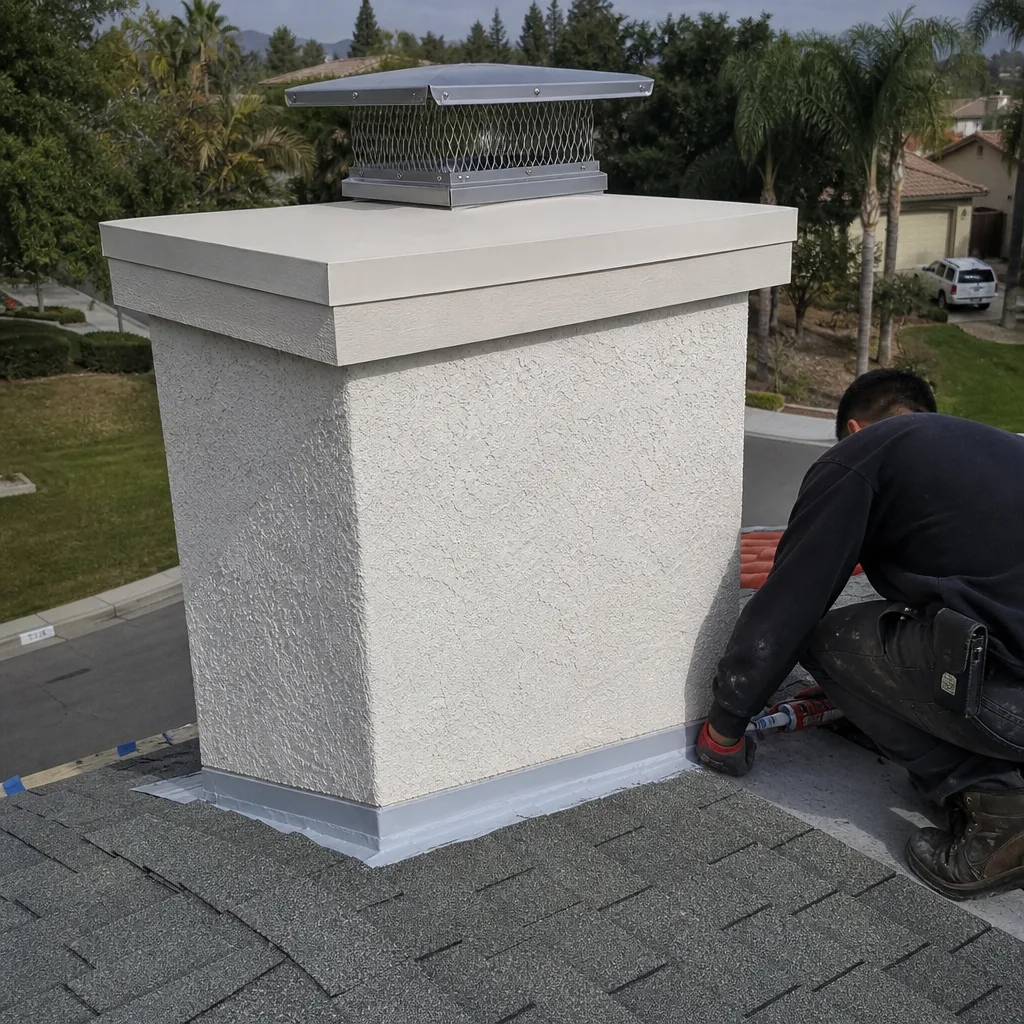
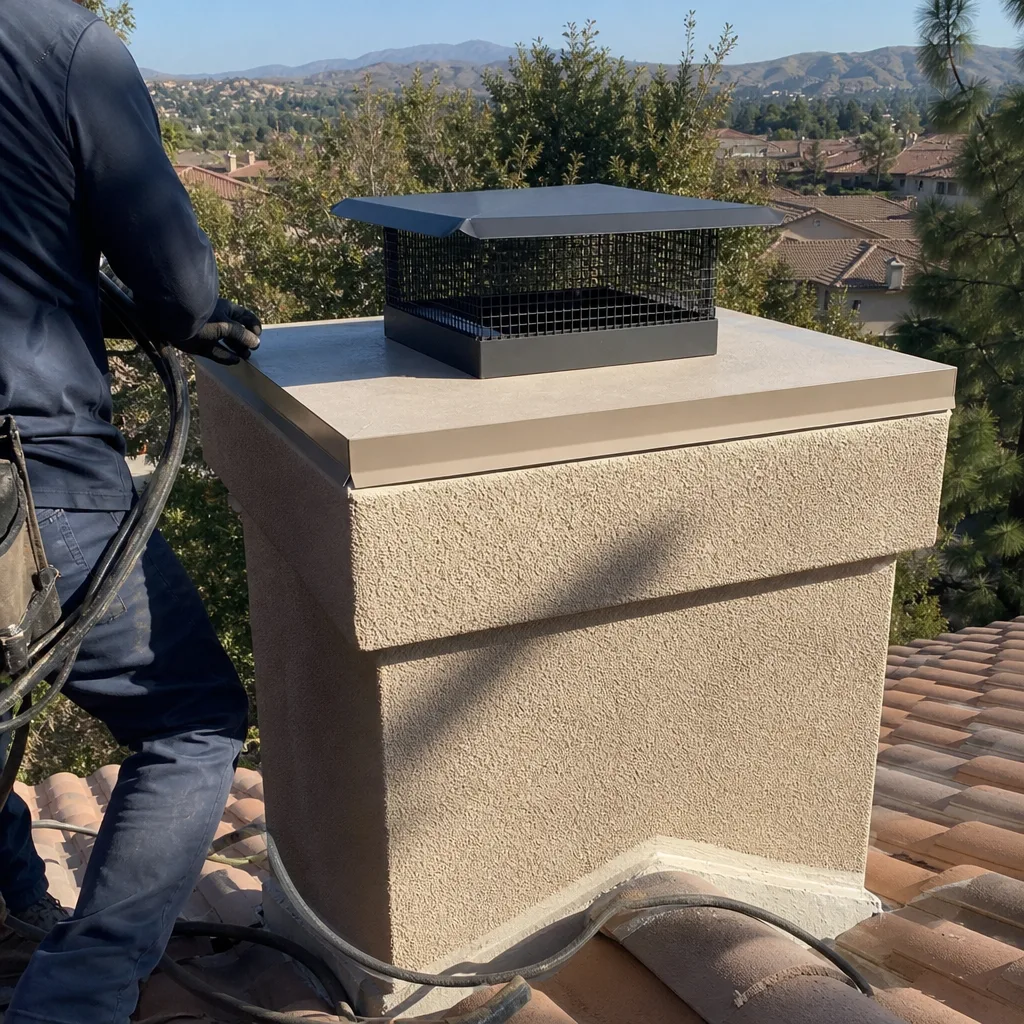
See the difference
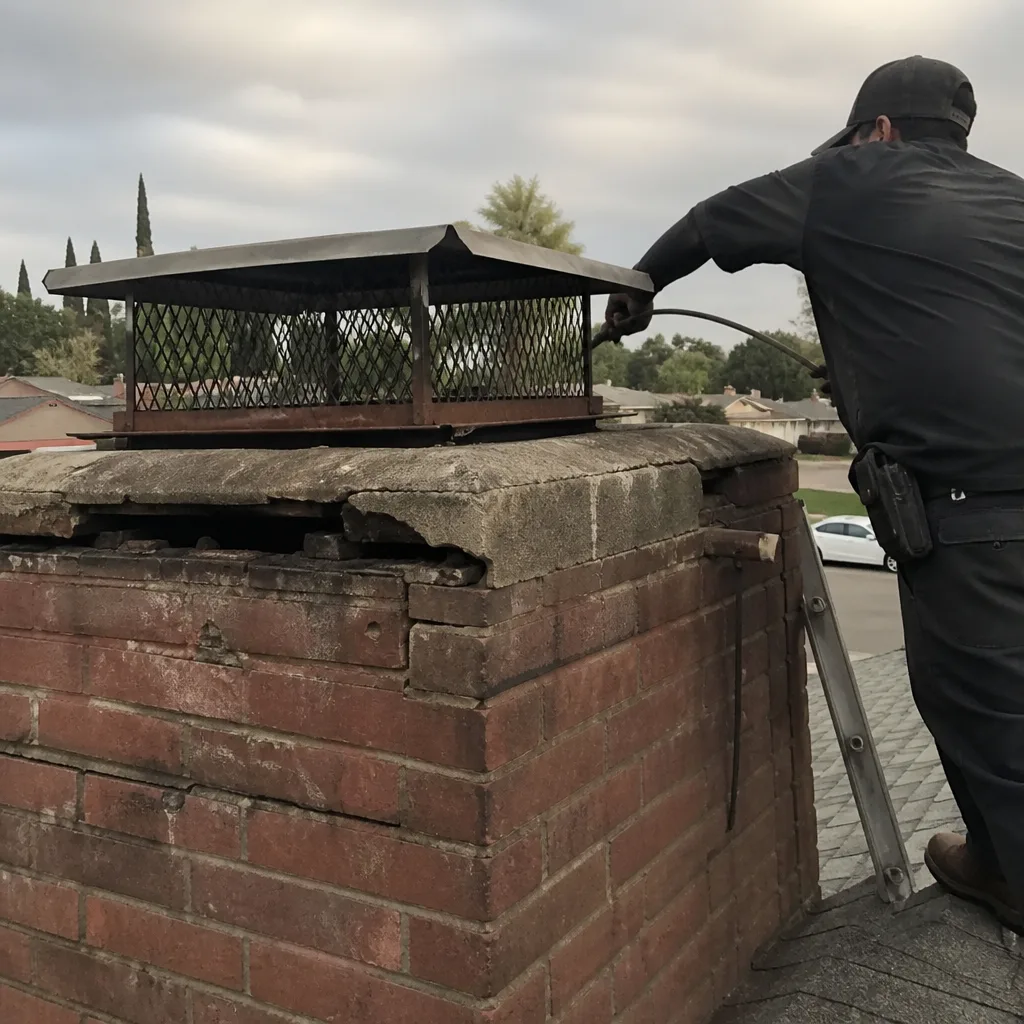 Before
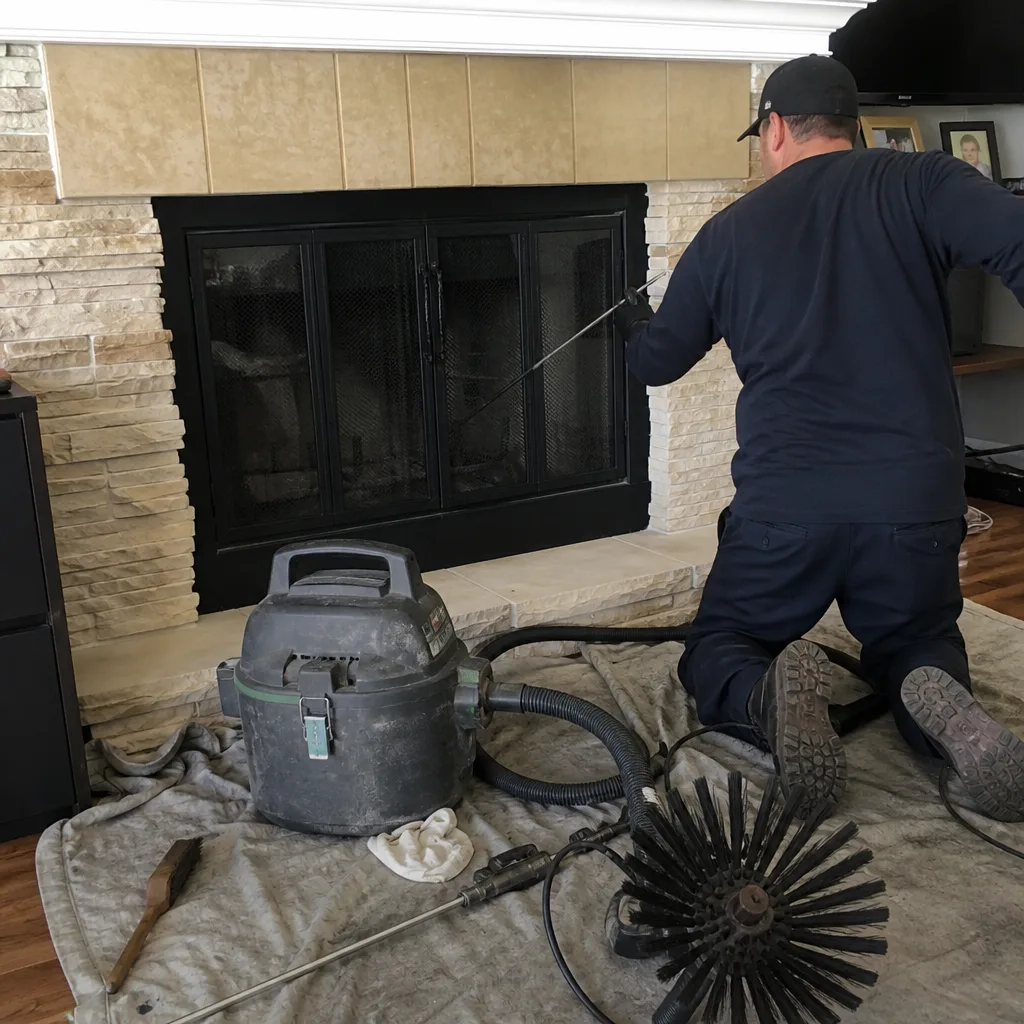 After
After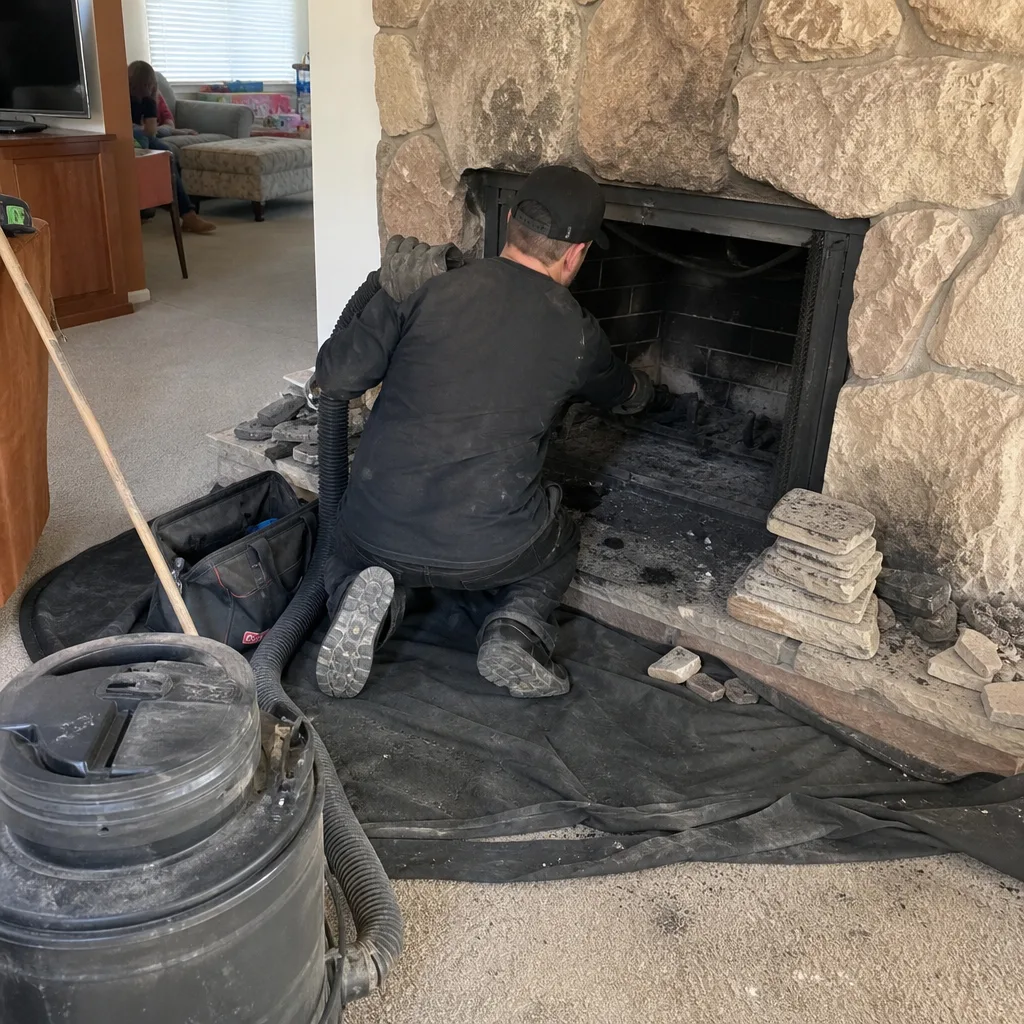 Before
 After
After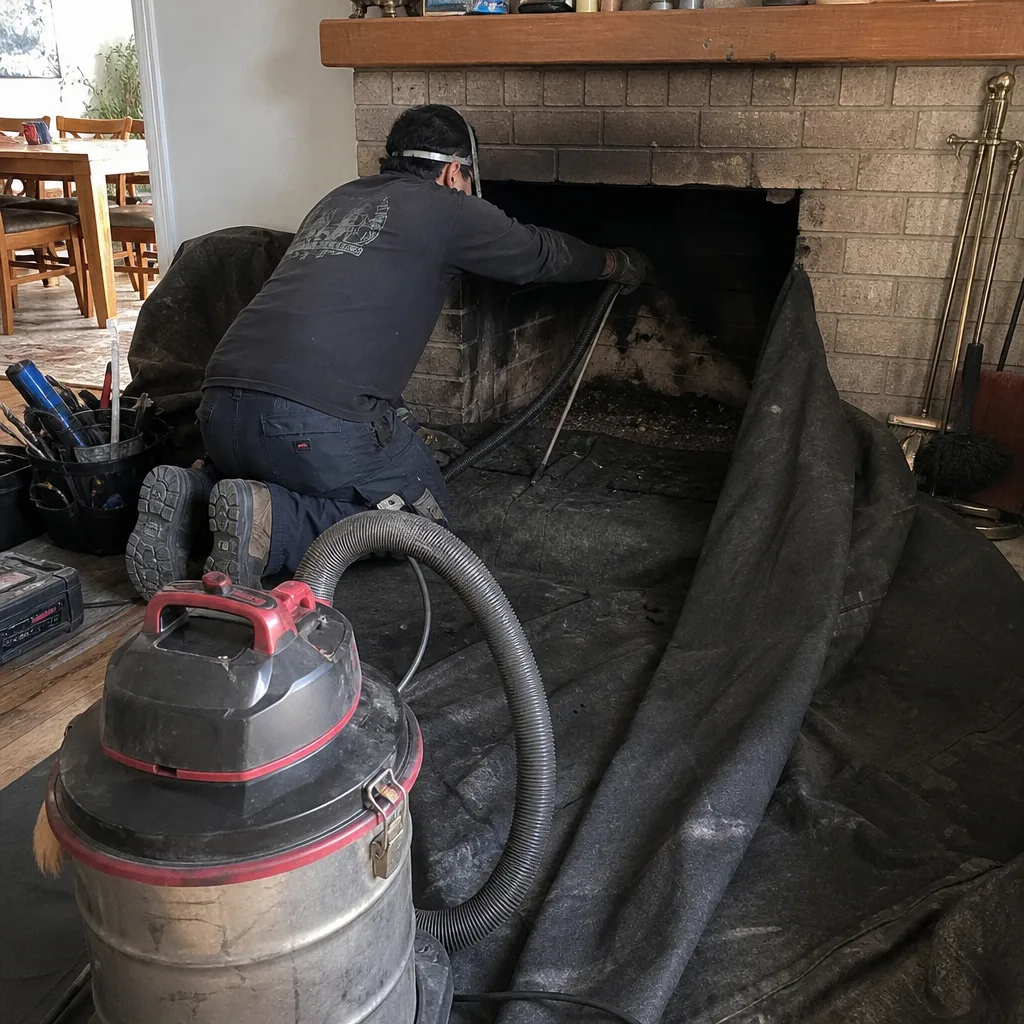 Before
 After
AfterWhen to Call a Professional
Some chimney situations never warrant a do-it-yourself attempt, and some simply require a trained eye. Call a professional if you hear crumbling sounds inside the flue when the wind blows, if you see white staining (efflorescence) on the exterior chimney brick, if your fireplace produces smoke that drifts into the room instead of up the flue, if you haven’t used the fireplace in over two years and plan to start, or after any significant weather event like the Santa Ana winds that pass through Riverside each year. Also call if your home inspector flagged the chimney during a purchase or if you’ve never had the chimney swept since moving in. These are all situations where a visual inspection by someone with the right equipment makes sense. Kindling Chimney Riverside offers free estimates in Riverside. Call (831) 218-8547 and a live person will answer, any hour, any day.
Frequently Asked Questions
A standard chimney sweep in Riverside typically runs between $189 and $350 depending on the flue size, creosote level, and whether a Level 1 or Level 2 inspection is included. Most companies charge a base rate for the sweep itself and add fees for camera inspection, cap replacement, or liner evaluation. Several local factors affect the price, including roof pitch and accessibility common in the hillside neighborhoods near Canyon Crest and Alessandro Heights. Any quote substantially below this range should be examined for what’s being left out. Call (831) 218-8547 for an exact quote with line-item pricing before any work begins.
You can physically attempt it, but doing so without the right tools and without understanding what you’re seeing inside the flue usually costs more than hiring a professional. A DIY sweep from the roof requires working at height, and a sweep from below requires rods and brushes most homeowners don’t own. More importantly, a sweep without an inspection tells you nothing about the liner condition, the crown, or the smoke chamber. In Riverside, where many homes have original clay tile liners from the 1960s and 1970s, the inspection is often more valuable than the sweep itself. For a professional sweep with a camera Chimney Inspection in Riverside, call us directly.
No. California does not issue a specific chimney sweep license, and chimney work is not a classified trade under the Contractors State License Board. This means the credential you should look for is CSIA certification, which is a voluntary national certification issued by the Chimney Safety Institute of America. You should also independently verify liability insurance and workers’ compensation coverage before any work begins. In the absence of state licensing, these three checks are the floor for any contractor you allow on your roof.
The industry standard is once per year, but Riverside’s mild climate means many homeowners skip a year or two between sweeps. That’s not automatically unsafe if the fireplace sees light use, but it does mean creosote accumulates over multiple seasons without being removed. Our recommendation for Riverside families who use the fireplace regularly during the November through March burning season is an annual sweep and inspection. Families who burn only a few times per winter can often stretch to every other year, provided the inspection shows no significant build-up. For occasional users, the inspection matters more than the sweep. Call (831) 218-8547 and we’ll help you determine the right interval for your home.
A chimney sweep removes creosote, soot, and debris from the flue, smoke chamber, and firebox. A chimney inspection examines the structural and functional condition of the entire chimney system, including the liner, crown, cap, flashing, and smoke chamber. A sweep can be done without an inspection, and an inspection can be done without a sweep. In practice, most reputable contractors do them together: sweep the flue first, then inspect the now-clean system so nothing is hidden behind soot. The National Fire Protection Association defines three inspection levels (Level 1, Level 2, and Level 3) with Level 2 required for real estate transactions or after significant weather events. Many Riverside home buyers request a Level 2 Fireplace Repair in Riverside inspection as part of escrow, and that’s a smart standard to match.
First, ask to see the camera footage or photos. A legitimate contractor can show you exactly what they found. Second, ask for the recommendation in writing with line-item pricing for any proposed repair. Third, take your time. Unless the finding is an actual active hazard, which is rare, you can get a second opinion and compare quotes before approving any additional work. This is one of the reasons we require camera documentation and a written scope before any repair work proceeds. A damaged crown or cracked liner can rarely wait a week or two. It can always wait for you to make an informed decision.
The Bottom Line
California’s missing licensing requirement puts the entire hiring burden on Riverside homeowners, which means the questions you ask are the only real filter between a careful technician and a costly gamble. Verify CSIA certification, liability insurance, and workers’ comp before booking. Require a written scope with line-item pricing and explicit clean-up terms. Compare estimates side by side, line by line, and eliminate any contractor who won’t document what they claim. Ask the guarantee question and listen carefully to the answer. The contractors worth hiring can describe exactly what they’ll protect, exactly what they’ll charge, and exactly how they’ll make it right if something goes wrong. Everyone else has just told you what you need to know.
Written by Danny Cortes, Owner at Kindling Chimney Riverside, serving Riverside since 2003.