
Last updated October 15, 2026
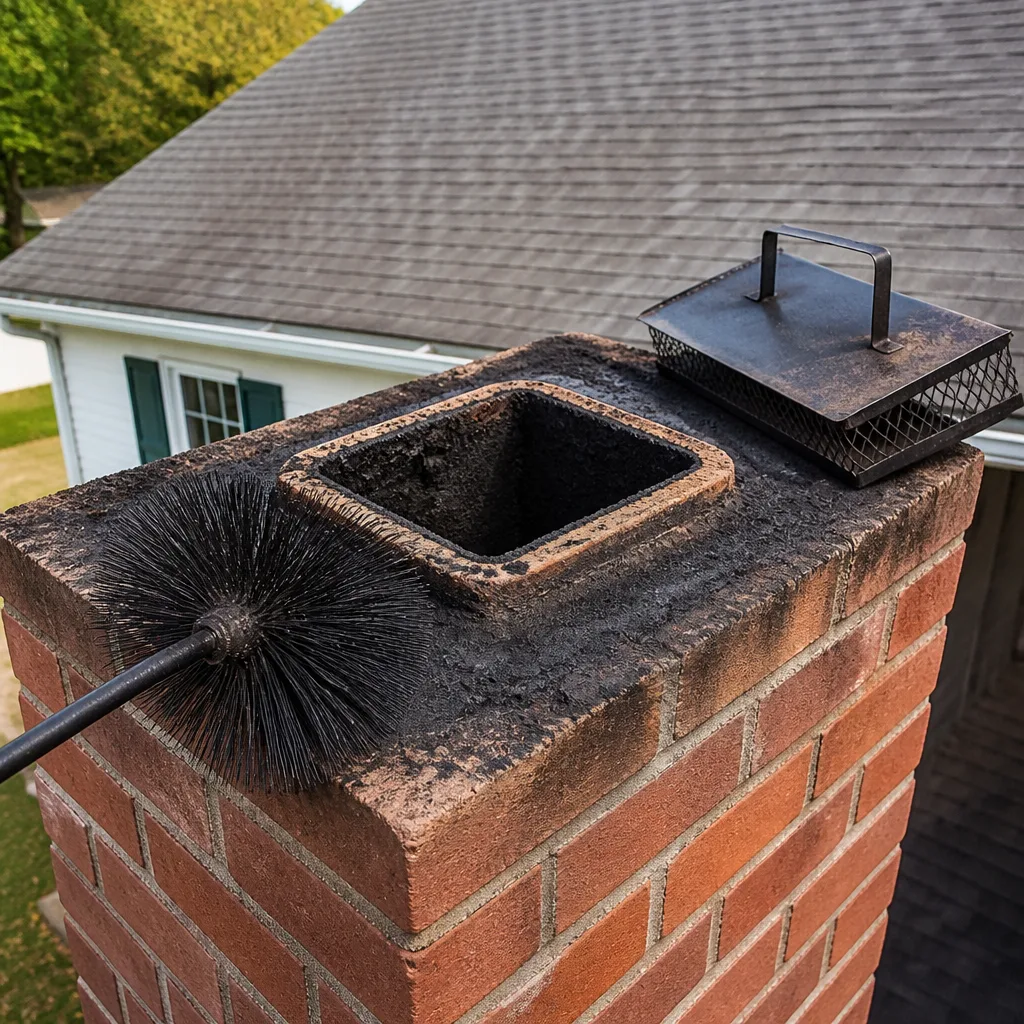 Sweep & inspection
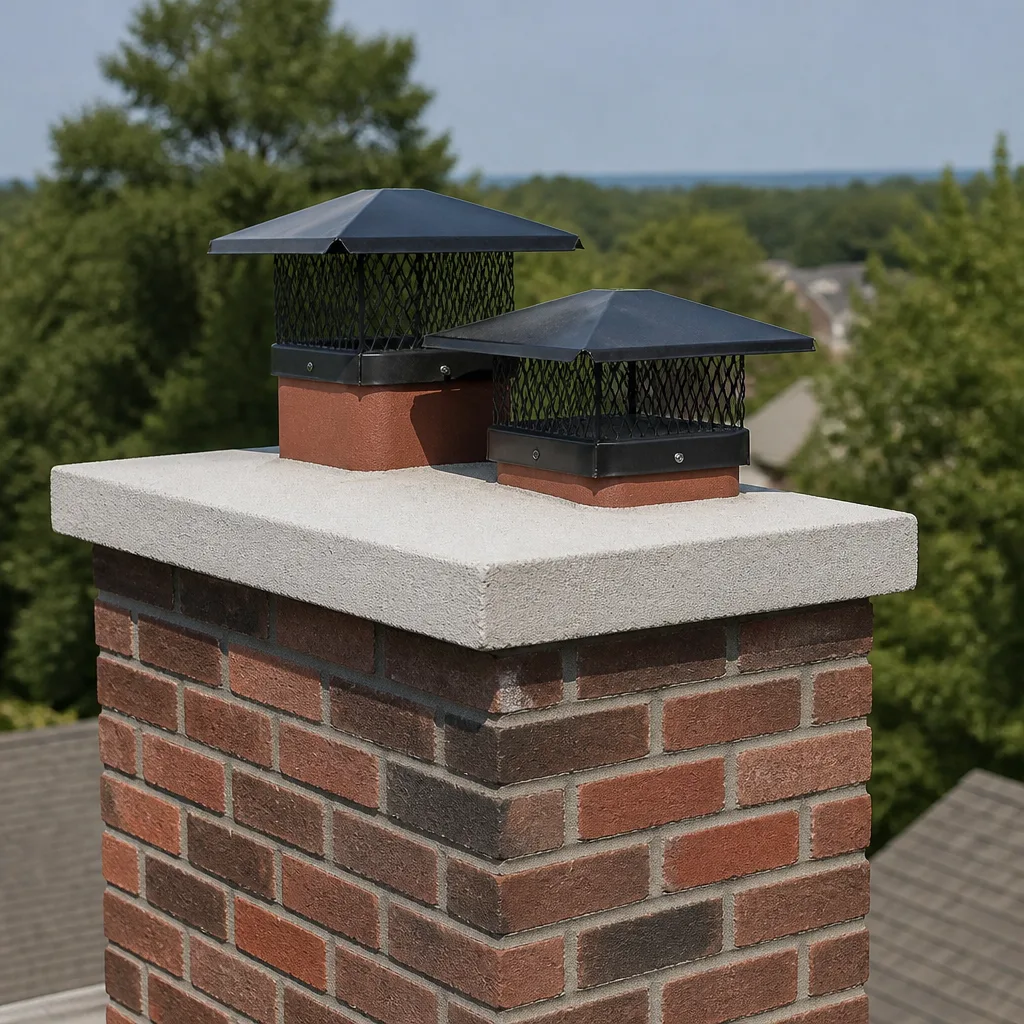 Caps & crowns
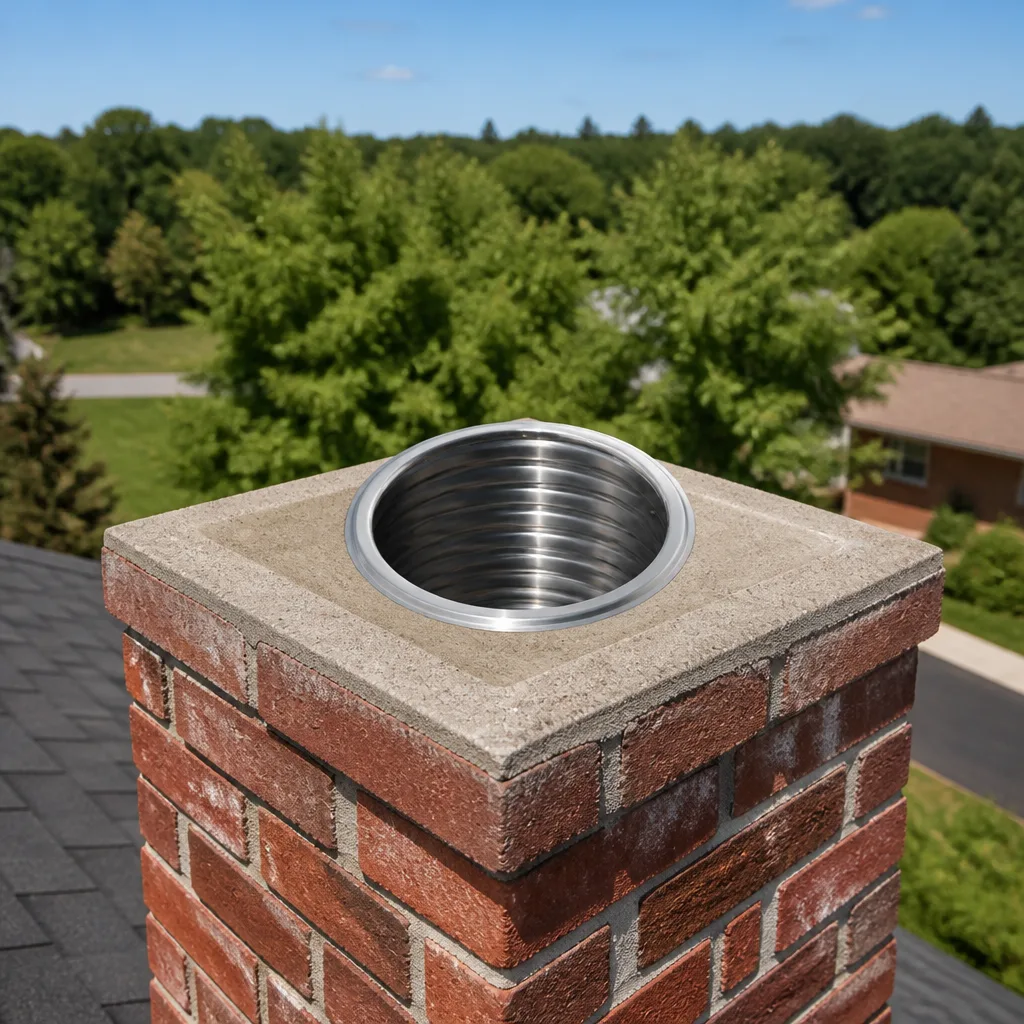 Flue relining
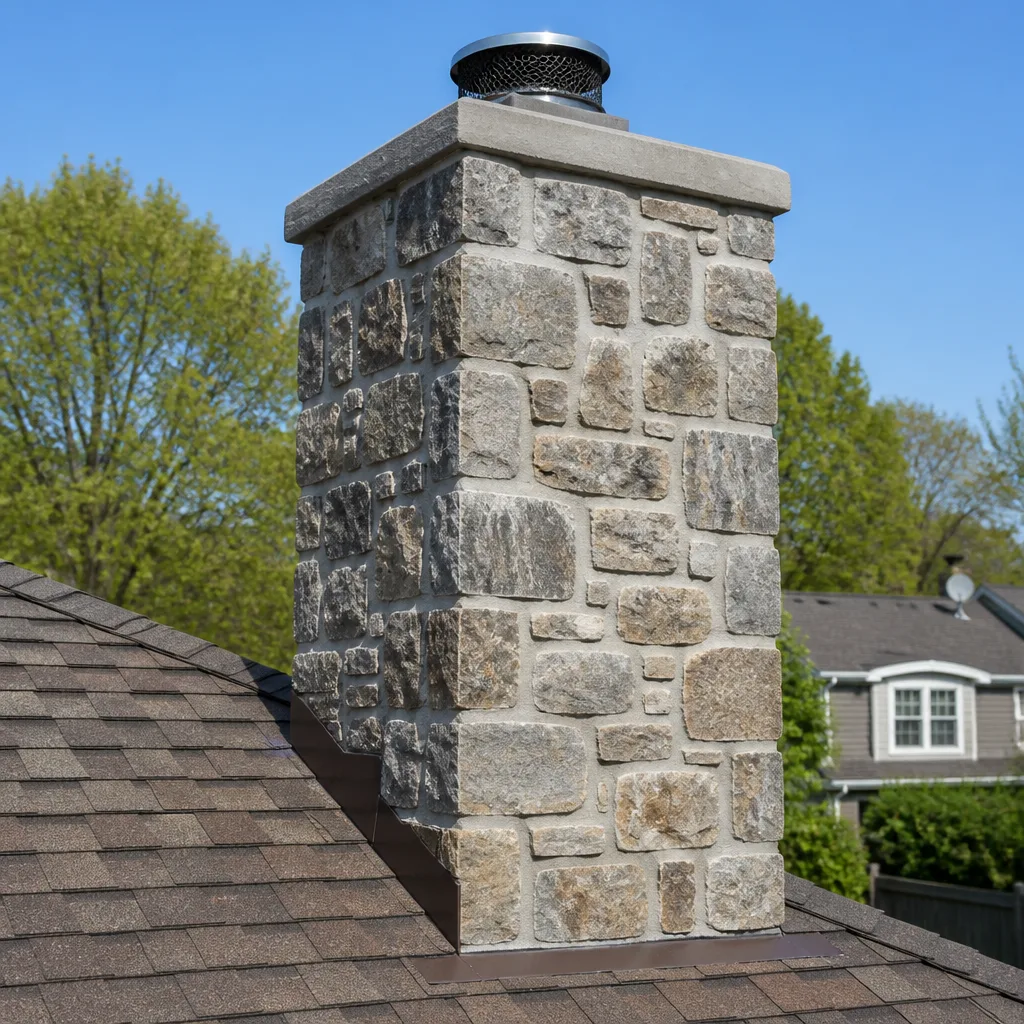 Masonry repair
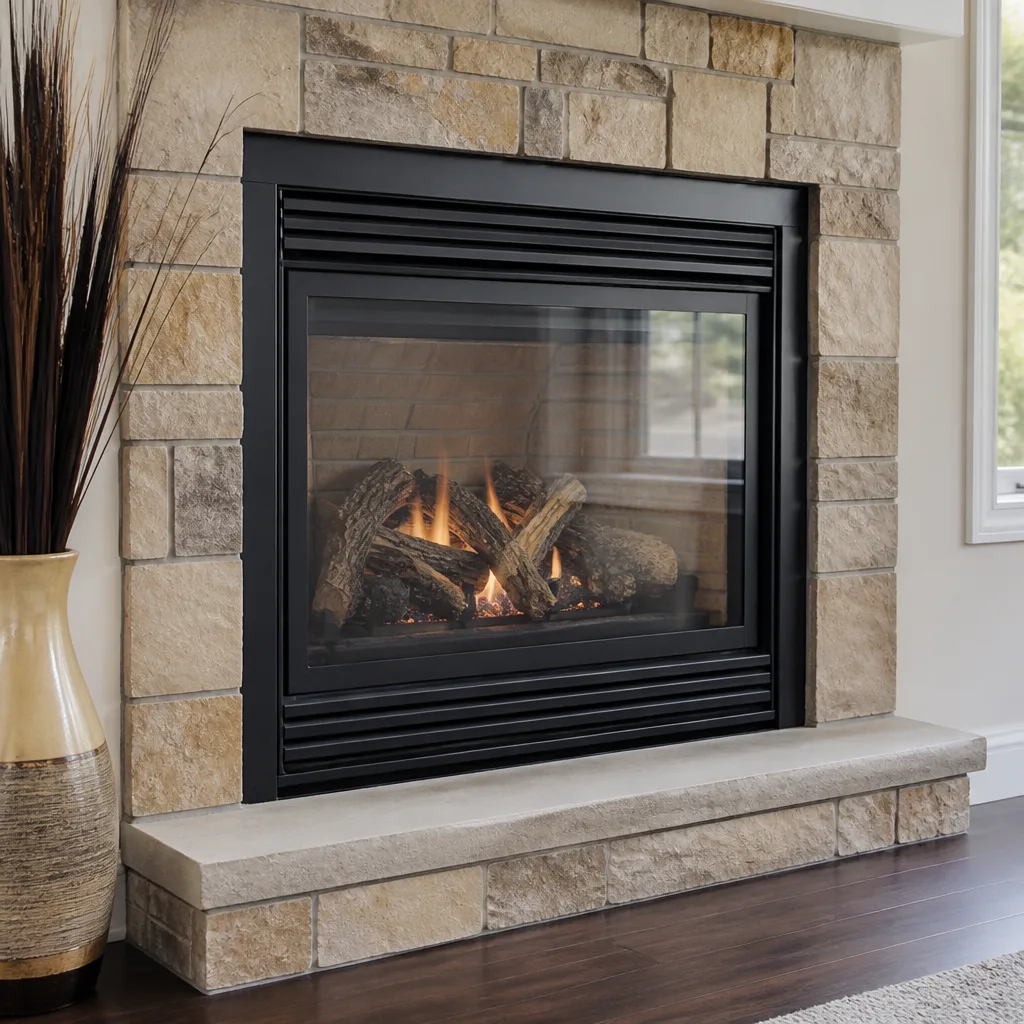 Gas fireplace service
Level 1 sweep and inspection to the NFPA 211 annual standard - flue, crown, cap, and flashing checked and photographed
Chimney sweep logs do not sweep chimneys. They loosen some creosote - which then falls where a brush and vacuum still have to collect it.
Chimney Cleaning Permits, Codes & Inspections in CA: What You Need to Know
A chimney cleaning never needs a permit. That’s true in Riverside, in every California county, and under every edition of the building code. But the repair your sweep recommends at the end of the visit might, and if it’s done without one, your homeowner’s insurance can deny a fire-related claim years later. Most Riverside homeowners discover this distinction only after the fact, usually during a home sale inspection or a claims adjuster’s visit. This guide explains where routine maintenance ends and regulated work begins, what California Building Code actually requires, and how to ask a contractor the right questions before any work starts. For a deeper dive, see our The Complete Guide to Chimney Cleaning in Riverside.
Quick Answer
Routine chimney sweeping and visual inspections in California require no permit, no code filing, and no government sign-off. Permits enter the picture when a chimney needs structural repairs, liner replacement, firebox rebuilding, or significant modifications to the venting system. At that point, the work falls under California Building Code Chapter 10 and NFPA 211, both of which require permitted work to be performed to specific material and clearance standards and inspected by the local building authority, which in Riverside is the City of Riverside Building & Safety Division or Riverside County for unincorporated areas.
Styles & brands we work with
Table of Contents
- The Line Between Maintenance and Permitted Work
- California Building Code Chapter 10 and NFPA 211: What They Actually Say
- Riverside and Riverside County Permit Requirements in Practice
- How Unpermitted Chimney Repairs Affect Insurance Claims
- CSIA Level 2 Inspections and California Home Sales
- What Happens When Work Is Done Without a Permit
- How to Ask a Chimney Contractor About Permits (And What a Straight Answer Sounds Like)
- What a Permitted Repair Timeline Looks Like in Riverside
The Line Between Maintenance and Permitted Work
The distinction is simpler than most people expect, but the stakes are not. Maintenance means removing what has accumulated. Repair means changing what is there. A sweep removes creosote, soot, and debris from the flue. It doesn’t alter the chimney’s structure, materials, or function. No permit. A chimney cap that’s bolted on to keep rain and animals out? In most Riverside County jurisdictions, replacing an existing cap with a similar one is considered maintenance. Fabricating a new mounting system, altering the flue termination, or changing the cap’s draft characteristics can tip it into regulated territory.
Here’s the practical breakdown, based on what we’ve seen across hundreds of Riverside homes, and what you’ll find in our Chimney Sweep Maintenance Checklist for Riverside Homeowners:
- Sweeping and Level 1 inspection: No permit, ever. This is removing creosote and visually checking accessible areas.
- Chimney cap replacement (like-for-like): Typically no permit. Same size, same attachment method, same flue opening. It’s a component swap.
- Chimney cap with a different flue configuration or a draft-inducing top: Often needs a permit because you’re changing the venting profile.
- Stainless steel liner installation: Almost always requires a permit in Riverside. You’re replacing the flue system itself.
- Firebox repair or rebuild: Requires a permit. The firebox is part of the chimney’s structural fire-resistance assembly.
- Masonry repointing of minor surface cracks: Usually no permit if it’s cosmetic and doesn’t affect structural integrity.
- Rebuilding a leaning or spalling chimney crown: The crown is part of the weather-resistive assembly. Permits are typically required.
- Cricket installation or flue resizing: Permit work. This changes roof drainage or vent sizing.
In our experience, the single most common transition point is the liner. A homeowner calls for a cleaning. The sweep puts a camera up the flue and finds gaps, cracks, or spalling in clay tiles. The recommendation becomes a stainless liner from a manufacturer like Olympia Chimney or DuraFlex. That’s not maintenance anymore-it’s one of the Chimney Cleaning Warning Signs: A Riverside Homeowner’s Reference Guide that the job has shifted to repair. That’s an alteration to the venting system, and California code treats it as such.
California Building Code Chapter 10 and NFPA 211: What They Actually Say
California Building Code (CBC) Chapter 10, “Chimneys and Fireplaces,” is the governing standard for chimney construction, alteration, and repair in the state. It’s based on the International Building Code with California-specific amendments. The chapter covers materials, clearances to combustibles, flue sizing, termination heights, and the fire-resistance requirements for chimney assemblies.
The second document that matters is NFPA 211, the National Fire Protection Association’s Standard for Chimneys, Fireplaces, Vents, and Solid Fuel-Burning Appliances. California does not adopt NFPA 211 wholesale into the building code, but inspectors use it as the reference standard for evaluating existing chimney systems during permitted work. When a Riverside contractor pulls a permit to reline a chimney, the inspector evaluates that installation against CBC Chapter 10 first, and NFPA 211’s material and clearance requirements in practice.
What this means for the homeowner, in plain language:
- Clearances matter more than aesthetics. CBC Chapter 10 defines minimum distances from the chimney interior to combustible framing. When a liner is installed, those clearances have to be verified and documented. If the existing chase is too tight, the permitted work may require additional insulation or a different liner system.
- Materials have to be listed for solid-fuel use. A liner rated for gas only cannot be installed in a wood-burning fireplace. The permit process exists to catch mismatches like this before they become a fire hazard.
- Contractors are required to disclose when work triggers code requirements. California Business and Professions Code requires contractors to state on their contracts whether a permit is required and who is responsible for obtaining it. A contractor who quietly skips this step is not doing you a favor by saving you the permit fee.
- Altered chimneys need final inspection approval. The permit isn’t closed until a Riverside building inspector signs off. That sign-off is your record that the work met code.
Danny Cortes has walked Riverside homeowners through this chapter more times than he can count, and the recurring theme is the same: the code isn’t bureaucratic friction. It’s the paper trail that protects you when something goes wrong.
Riverside and Riverside County Permit Requirements in Practice
Riverside is served by two permitting authorities depending on where you live. Homes inside the City of Riverside fall under the city’s Building & Safety Division. Homes in unincorporated areas of Riverside County, including parts of communities like Woodcrest, Highgrove, and Mead Valley, fall under the county’s Building & Safety Department.
Both operate on the same California Building Code foundation, but there are practical differences:
- City of Riverside: Permits for chimney liner replacement, firebox rebuilds, and crown reconstruction are typically issued over the counter or electronically. An inspector is assigned, and the contractor or homeowner schedules the inspection. The city’s staff is familiar with fireplace and chimney work and the review is usually quick for straightforward liner swaps.
- Riverside County: Unincorporated county permits go through a similar review process. The county also maintains its own amendments to the California Fire Code, which can affect clearance requirements for homes in fire-prone areas. If your home is in a Wildland-Urban Interface zone, the inspector may require a spark arrestor meeting specific mesh-size standards as part of the permitted work.
One thing many Riverside homeowners don’t realize: the property owner can pull a permit, but the contractor doing the work is held responsible for following the approved plans and calling for inspections. In practice, reputable chimney companies handle the permit process for you as part of the job. That’s the norm for liner work and firebox rebuilds in our area. If a contractor tells you a liner replacement doesn’t need a permit in Riverside, that’s a red flag worth pressing on. The city and county both classify flue relining as an alteration requiring review.
The fee picture is modest relative to the cost of the work itself. Riverside building permit fees vary based on the valuation of the job, but for a standard stainless liner installation on a single-story home, the permit fee typically lands in the low hundreds of dollars. It’s a rounding error next to the cost of a liner, and it buys you a city inspection record that follows the house.
How Unpermitted Chimney Repairs Affect Insurance Claims
This is where the conversation gets serious, and it’s the reason we’re writing this guide rather than leaving it to a one-page FAQ. A homeowner’s insurance policy typically includes language that excludes coverage for damage caused by unpermitted work, or that voids coverage if a material fact was misrepresented on the application.
Here’s how it plays out in practice, based on California claim scenarios we’re familiar with:
A homeowner in Riverside has a stainless liner installed without a permit. Five years later, a chimney fire occurs. The claims adjuster investigates. They discover the liner installation is not on record with the city or county. The insurer determines the unpermitted work contributed to the loss, or that the homeowner misrepresented the property’s condition when the policy was written. The claim is denied.
The denial doesn’t require the unpermitted work to be the sole cause. It just needs to be a contributing factor. And because unpermitted work isn’t documented, the homeowner has no evidence to push back with. No inspection record. No approved plans. No sign-off. Just a liner that was never reviewed by anyone.
Here’s the language to look for in your own policy:
- “Concealment or fraud” clauses: These void coverage if you knew about unpermitted work and didn’t disclose it when applying for or renewing the policy.
- “Faulty workmanship” exclusions: These don’t automatically apply to unpermitted work, but they intersect. If unpermitted work causes a loss, the insurer may argue the loss arises from faulty materials or workmanship, which is excluded.
- “Increased hazard” provisions: Some California policies allow the insurer to deny a claim if you knowingly increased the hazard of fire without notifying them. An unpermitted liner installation on a wood-burning chimney fits that description.
The practical takeaway: the permit isn’t about the city collecting a fee. It’s about creating a record that your chimney system met code at a specific point in time. That record is what protects your family and your claim down the line.
CSIA Level 2 Inspections and California Home Sales
The Chimney Safety Institute of America (CSIA) defines three levels of chimney inspection. Level 1 is a visual check of accessible areas, performed during routine maintenance. Level 2 is required when there’s been a change to the system, a property transfer, or an event like a chimney fire or earthquake. Level 3 is reserved for suspected hidden damage and involves partial demolition to access concealed areas.
In California, and especially in the Inland Empire, Level 2 inspections have become the default request from home inspectors and real estate agents during escrow. Here’s why: California’s standard real estate disclosure process asks sellers to disclose known defects. A chimney that was cleaned once a decade ago with no inspection history is a known unknown. The buyer’s agent wants certainty.
A Level 2 inspection includes everything in a Level 1, plus:
- Camera scan of the entire flue interior from top to bottom.
- Inspection of the attic, crawlspace, and other accessible areas where the chimney passes through the structure.
- Visual check of the exterior chimney from the roof level when safe to access.
- Assessment of clearances to combustibles inside the chase.
- Documentation of the flue’s condition for the disclosure file.
Here’s the connection to permits that many Riverside sellers miss. If a Level 2 inspection during escrow reveals a liner that was replaced without a permit, the buyer can require the seller to obtain a retroactive permit, pay for a new permitted installation, or credit the repair cost. Retrofitting permits in Riverside is possible but often requires exposing the work for inspection, which can cost more than the original permit would have.
A clean Level 2 report with a documented permit history is one of the smoothest paths through escrow for a Riverside home with a fireplace. It removes the single most common chimney objection buyers raise.
For a deeper walkthrough of what a camera inspection covers, see our Chimney Inspection in Riverside page.
What Happens When Work Is Done Without a Permit
The consequences of unpermitted chimney work in California are cumulative rather than immediate. No one shows up at your door the week after the liner goes in. The problems surface years later, at the worst possible time.
The sequence usually looks like this:
- The work is done. A contractor installs a liner or rebuilds a firebox without pulling a permit. You save a few hundred dollars in fees. The work may be perfectly good. That’s not the point.
- The record doesn’t exist. The City of Riverside or Riverside County has no file for your address. No one has verified clearances, materials, or installation method.
- Time passes. You sell the house, or you file a claim, or a future inspection flags the work.
- The gap is discovered. A home inspector, an insurance adjuster, or a building official asks when the liner was installed and who pulled the permit.
- The cost compounds. You’re now paying for retroactive permits, inspection exposure, or worst case, a claim denial or a repair credit at closing that wipes out any original savings.
The most frustrating version of this story is the seller who genuinely didn’t know. They hired a contractor who said no permit was needed, paid in cash, and never received a contract. Now they’re standing in escrow with a liner that can’t be verified and a buyer who wants proof. We’ve met more than a few of these sellers in Riverside. The ask at that point is usually for a Level 2 inspection to document the current condition, but that doesn’t replace the missing permit record. It just establishes what’s there today.
The contractor who says “we don’t need to involve the city” is not saving you money. They’re transferring risk to you.
How to Ask a Chimney Contractor About Permits (And What a Straight Answer Sounds Like)
This section is a script. Use it on the phone before you book, and again when a technician recommends work. The goal isn’t to interrogate anyone. It’s to confirm you’re working with someone who understands California code and isn’t avoiding the paper trail.
Here’s what to ask, in order:
- “Will this work require a permit in Riverside?” If the answer is a clear yes or no with a reason attached, that’s a good sign. If the answer is “well, technically you could…” or “most people don’t bother,” that’s evasion.
- “Who pulls the permit, you or me?” A legitimate contractor will say they handle it, or explain exactly how you do it. They won’t leave the responsibility ambiguous.
- “Can you put the permit requirement in your written estimate?” California Business and Professions Code already requires contractors to note whether a permit is required on the contract. If the estimate doesn’t mention it, ask why.
- “When is the inspection scheduled, and will you be there for it?” For permitted work in Riverside, the contractor calls for inspection after the work is complete but before it’s covered up. If they can’t answer this, they haven’t done permitted work recently.
- “Do you carry workers’ compensation coverage for your crew?” This isn’t a permit question, but it belongs in this section. If a worker is injured on your Riverside property and the contractor lacks coverage, your homeowner’s policy becomes the target.
What a straight answer sounds like: “Yes, that liner replacement needs a permit from the City of Riverside. We pull it, the fee is separate and it’ll be on your contract. The inspector comes after we install the liner but before we close everything up. I’ll be there for the inspection.”
What an evasive answer sounds like: “We don’t usually do that for something this small.”
“This small” is the tell. A liner replacement isn’t small. Neither is a firebox rebuild. If a contractor frames permitted work as minor to justify skipping the permit, they’re describing the scope inaccurately or they don’t understand the code. Either way, keep looking.
What a Permitted Repair Timeline Looks Like in Riverside
Knowing the sequence ahead of time removes most of the anxiety around permitted chimney work. Here’s the typical flow for a stainless liner installation in a Riverside home, from first recommendation to closed permit:
- Discovery (day 1): During a routine Chimney Sweep in Riverside visit, the technician documents flue damage with camera footage and photos.
- Recommendation and estimate (days 1-3): You receive a written proposal that includes the permit requirement, the permit fee, materials (for example, a HeatShield or Gelco liner system), and the repair timeline.
- Permit submission (days 3-10): The contractor submits the permit application and plans to the City of Riverside or Riverside County, depending on your address.
- Permit approval (days 10-21): Simple liner swaps get quick review. Rebuilds or multi-flue work can take longer.
- Installation (1-2 days scheduled): The crew performs the work, honoring the written care promise that comes with every Kindling Chimney Riverside visit: shoe covers and drop cloths before anything comes off the truck, nothing moved without asking, and a clean-up photo taken before the crew leaves.
- Inspection (1-2 days after installation): A Riverside building inspector reviews the work. The contractor is present.
- Permit closure (1-2 weeks after inspection): You receive the final approval record. File it with your home documents.
For firebox rebuilds, the timeline stretches because multiple inspections are required: one after the structural work, one after the fire brick, and a final after the completed assembly. That’s not bureaucracy for its own sake. Each inspection catches errors before they’re covered over, which is cheaper than discovering them after your first fire.
Common Mistakes to Avoid
- Assuming all chimney work is maintenance. Sweeping is maintenance. Liner replacement is a structural alteration. Riverside code treats them differently, and so does your insurance policy.
- Paying cash without a contract. California law requires a written contract for home improvement work over $500. If there’s no contract, there’s no record of who did the work or whether a permit was required.
- Treating the permit fee as optional. The fee is part of the job cost. Skipping it to save money is the most expensive decision a Riverside homeowner can make with a chimney.
- Trusting a verbal “no permit needed” from a contractor. Ask for it in writing. If they won’t put it on the estimate, the statement isn’t worth relying on.
- Selling a home without a chimney inspection history. Riverside buyers increasingly expect a Level 2 report. Clean documentation beats a repair credit every time.
- Confusing a “clean bill” from a sweep with a code compliance check. A sweep removes creosote. It doesn’t verify that your liner meets current clearance standards. Only an inspection does that.
- Assuming your insurance policy covers unpermitted work. It often doesn’t, and you won’t know until you’re filing a claim. That’s the worst possible time to learn.
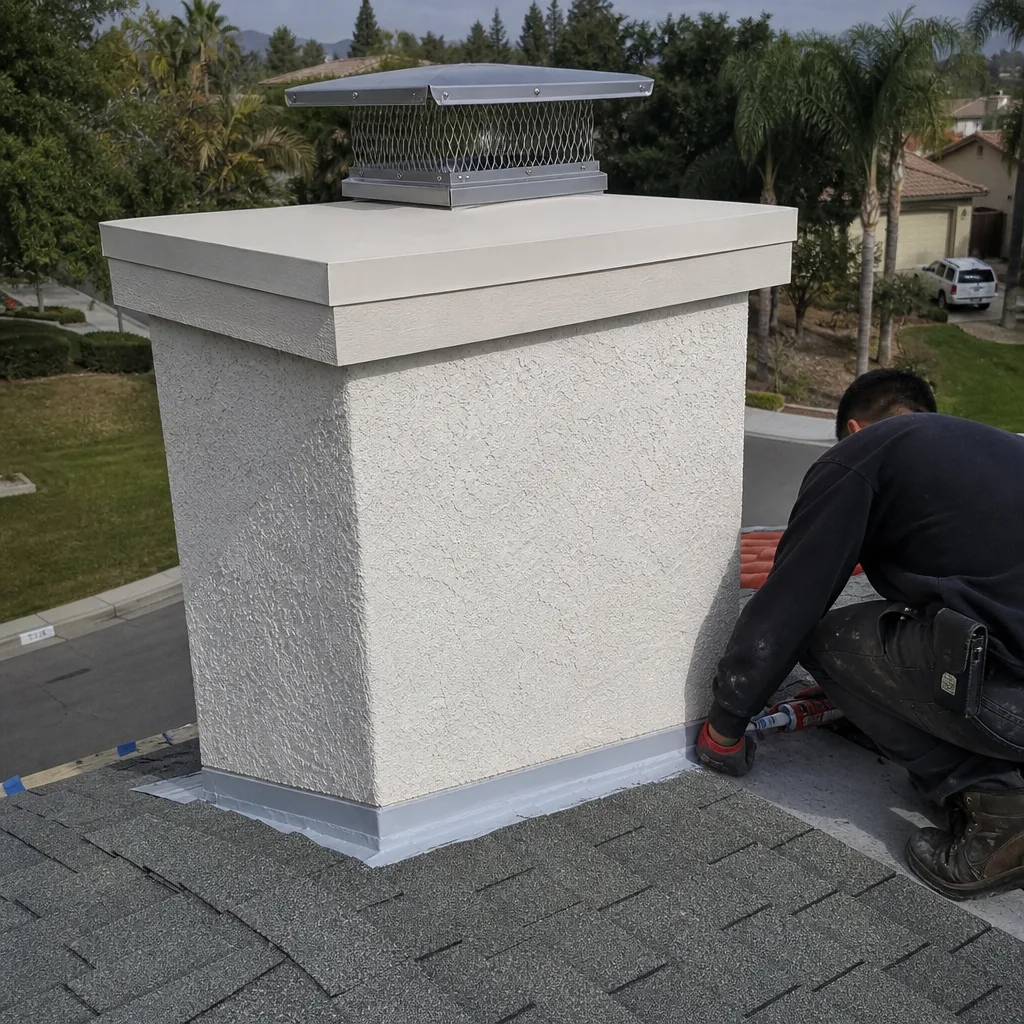
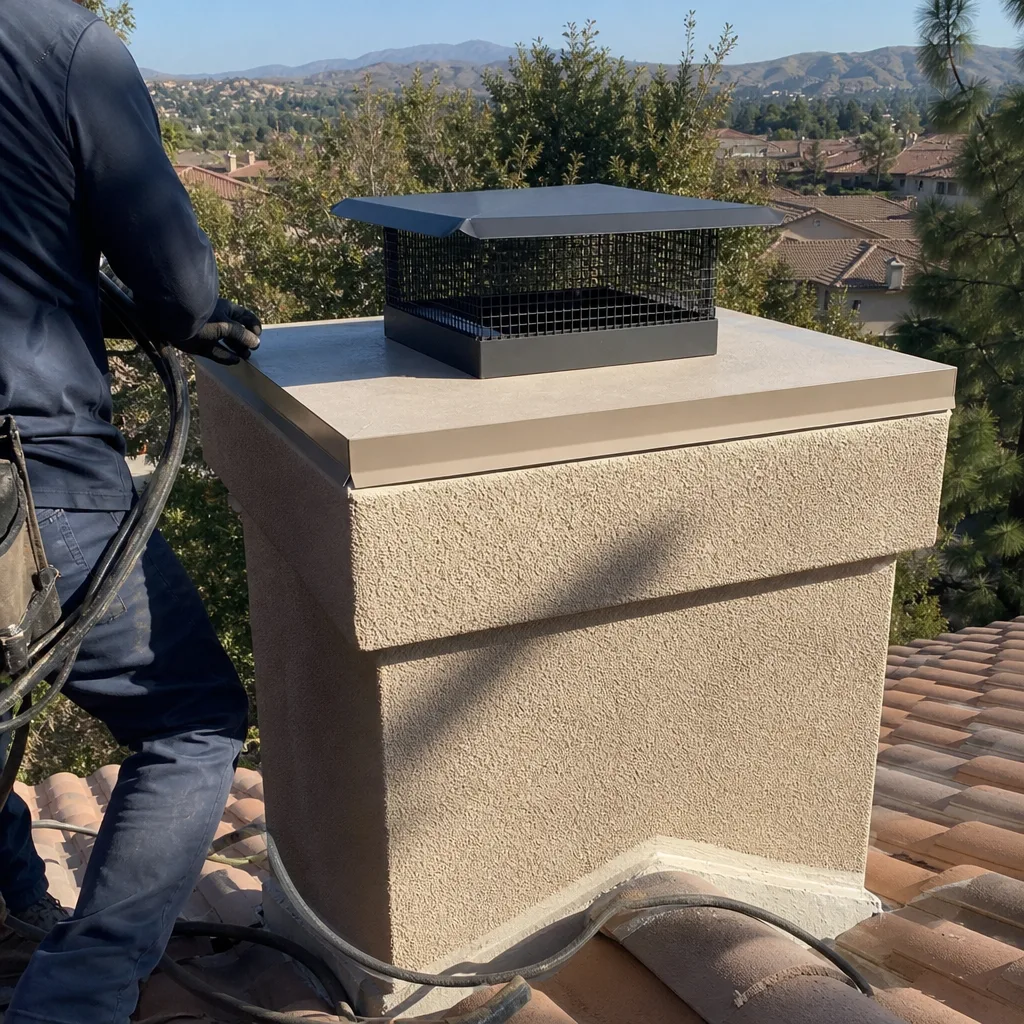
See the difference
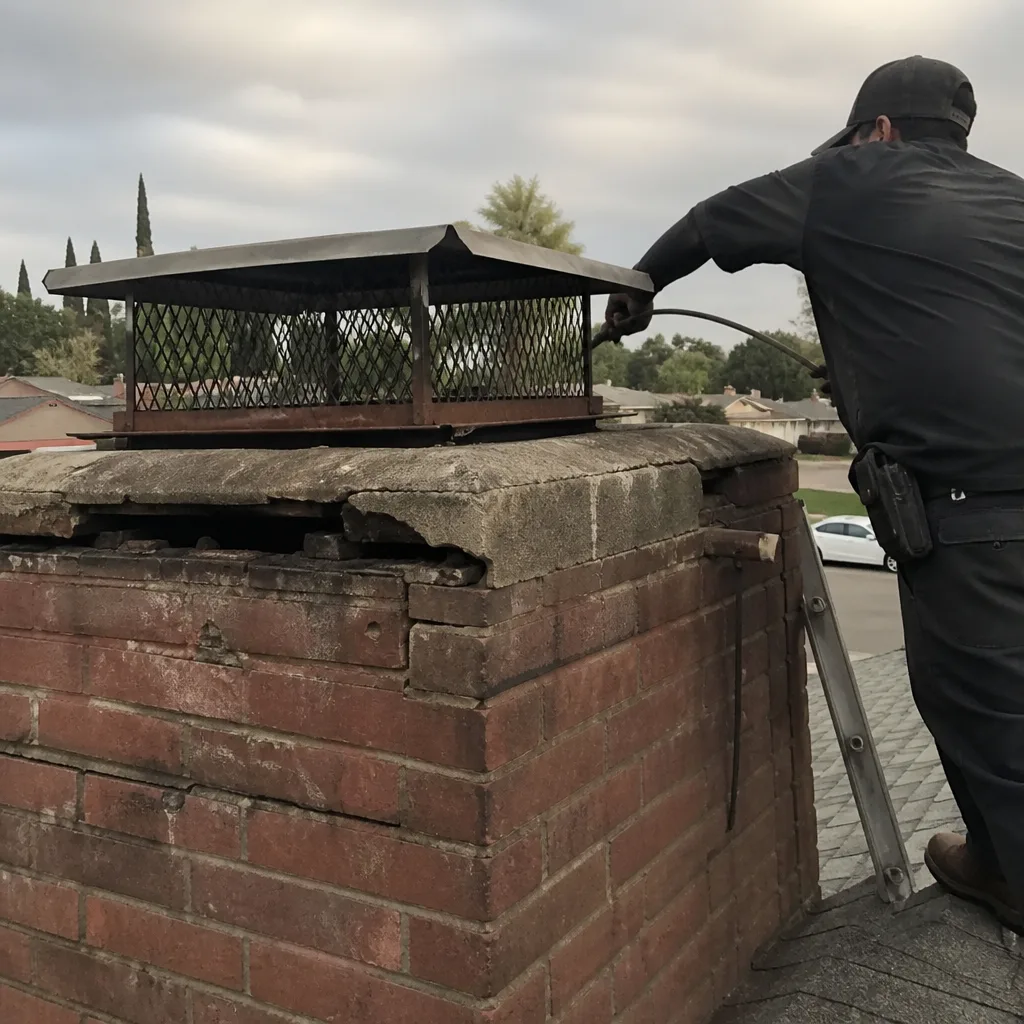 Before
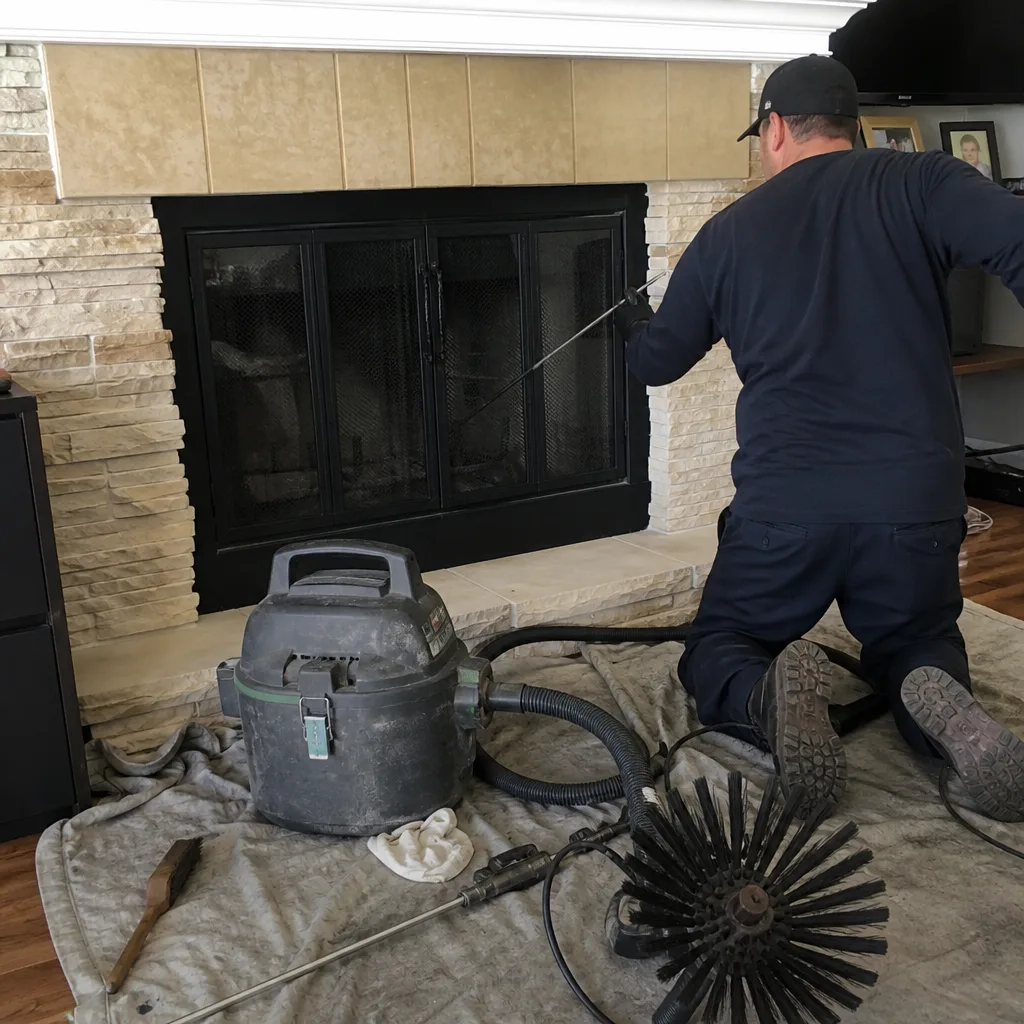 After
After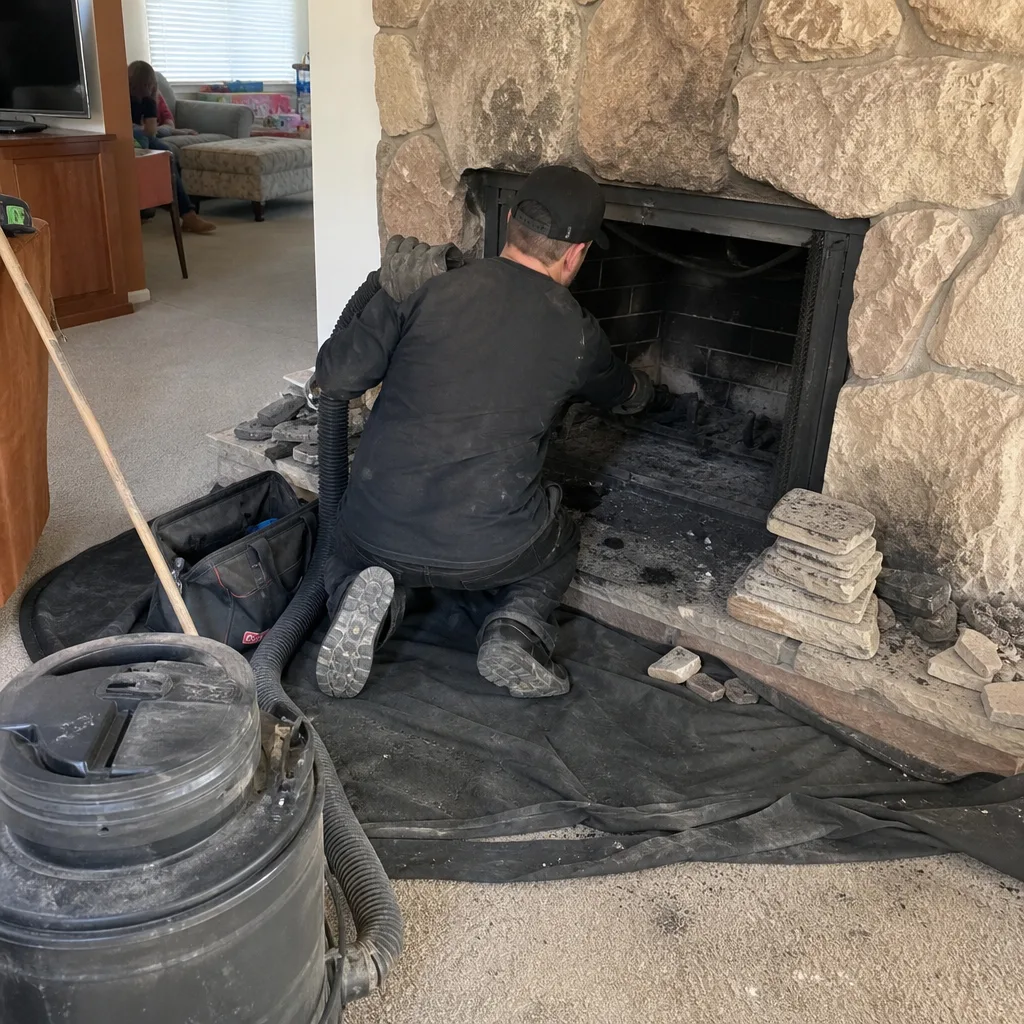 Before
 After
After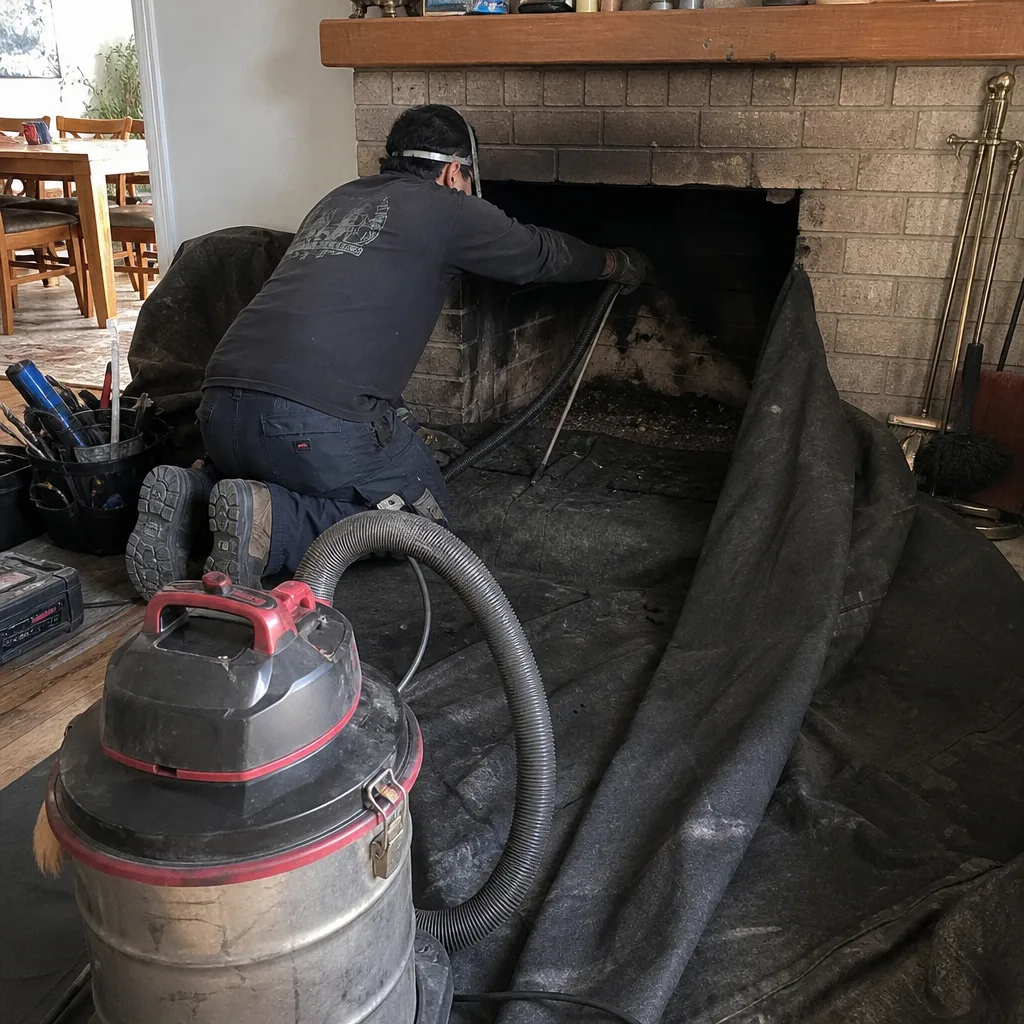 Before
 After
AfterWhen to Call a Professional
Call a chimney professional when your fireplace has never been inspected, when you’ve owned the home more than a year without a cleaning, when you notice flaking masonry or rust on the damper, or when you’re preparing to sell and want a Level 2 inspection on file before escrow. Call immediately if you smell smoke in the house when the fireplace isn’t in use, if the damper is stuck, or if you see cracks in the firebox.
Danny Cortes has spent his career in Riverside helping families understand exactly what their chimney needs and what it doesn’t. That’s the core of the Kindling Chimney Riverside home philosophy: a written price before work begins, materials from manufacturers we trust, and a 365-Day Done Right Promise that stands behind every job. For a straight answer on permits, codes, or a repair recommendation, Kindling Chimney Riverside offers free estimates in Riverside. Call (831) 218-8547 and a live person will answer.
Frequently Asked Questions
No. Routine chimney sweeping is classified as maintenance in California and requires no permit from any building authority, including the City of Riverside and Riverside County. A sweep removes creosote, soot, and debris without altering the chimney’s structure, materials, or venting configuration. The moment a sweep recommends structural repair, liner replacement, or firebox work, the permit conversation begins. For a routine cleaning in the Riverside area, a standard sweep is straightforward and permit-free.
Most standard chimney sweeps in Riverside run between $180 and $340 depending on the height of the chimney, the amount of creosote buildup, and whether the fireplace has been maintained recently. Homes with heavy glaze buildup, multi-story roof access, or animal removal add to the range. A Level 2 camera inspection is typically $100 to $300 on top of the sweep. Kindling Chimney Riverside includes a written price before any work begins, so the number you’re quoted is the number you pay. Call (831) 218-8547 for a free estimate specific to your home.
Yes. Replacing a chimney liner is classified as an alteration to the venting system, not routine maintenance, and both the City of Riverside and Riverside County require a building permit for the work. The permit triggers a final inspection that verifies the liner was installed to California Building Code Chapter 10 standards. A contractor who tells you a liner replacement in Riverside doesn’t need a permit is giving you advice that can cost you later.
The CSIA and NFPA 211 recommend a sweep whenever creosote buildup reaches 1/8 inch, which for most Riverside homes that burn wood regularly means once a year. Homes that burn softwoods like pine, or that use the fireplace as a primary heat source during the cooler Riverside months, may need sweeping twice per season. The safest approach is a sweep and Level 1 inspection at the start of each burning season, with a Level 2 inspection before any home purchase or after any significant event.
Creosote accumulates in layers that tighten the flue and eventually restrict airflow, which pulls smoke back into the home and raises the internal flue temperature. Over several years in Riverside’s climate, with its wet winters and dry summers, the expansion and contraction can crack clay tile liners and mortar joints. You won’t see most of it without a camera. By the time symptoms appear, smoke and odor in the house, stains on the walls, a damper that won’t move, the repair is more involved than a simple sweep. An annual sweep and inspection costs less than almost any repair, and it’s the only way to catch liner damage before it becomes a structural problem. For an honest assessment of what your chimney actually needs, call (831) 218-8547.
Because a standard home inspection only checks the visible portions of the fireplace and exterior chimney. It doesn’t include a camera scan of the flue interior, which is where most defects live. A Level 2 inspection provides documentable evidence of the chimney’s condition for the disclosure file, which protects both buyer and seller in a California escrow. If the Level 2 report finds prior unpermitted work, the seller is in a worse negotiating position than if the work had been permitted in the first place. It’s become one of the most common chimney-related closing conditions in Riverside.
The Bottom Line
The rule is simple: cleaning never needs a permit, repair often does. Your job as a Riverside homeowner is to know where that line sits and to ask the right questions before work begins. A contractor who pulls permits, documents the work, and stands behind it is worth more than the lowest bid. A contractor who avoids permits is transferring risk to you, whether you realize it or not. Keep your chimney clean, keep your inspection history documented, and keep your permit records filed. That’s the whole game. For more guides & resources on protecting your home, explore our blog. It protects your family, your insurance coverage, and the value of your home.
Written by Danny Cortes, Owner at Kindling Chimney Riverside, serving Riverside since 2003.